HVDC vs HVAC: Why Offshore Wind Farms Use Both
The two ways to get power from a turbine at sea to a home on land — and the distance-based tipping point that decides which one an offshore project actually needs.
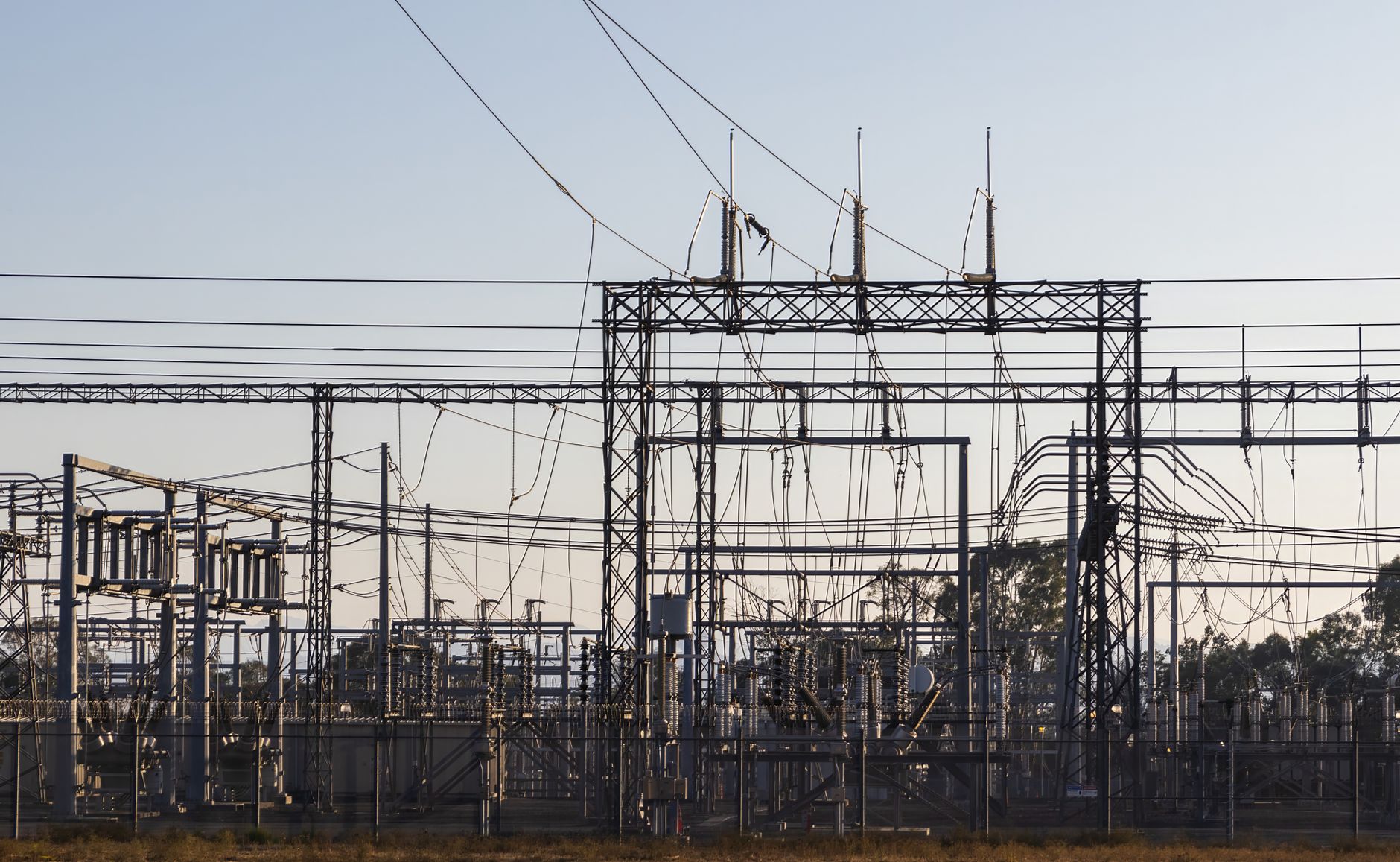
The problem both are solving
A wind farm 50, 100, or even 200 kilometers offshore generates alternating current (AC) power at the turbine. That power needs to travel through export cables to shore, then through the onshore grid to homes and businesses — and how it makes that first offshore trip is a genuine engineering trade-off, not just a default choice.
HVAC: the simpler, shorter-range option
High-voltage alternating current keeps the power in the same form the turbine already generates, transmitted through undersea cables typically running at 220-275 kV to minimize losses. It's simpler and cheaper to install — no conversion equipment needed at either end.
The catch is a physical property of AC cables called capacitive charging current: undersea AC cables behave partly like capacitors, and the longer the cable, the more of its capacity gets consumed just charging and discharging the cable itself rather than delivering usable power. Past a certain distance, an HVAC cable is spending so much of its capacity on this effect that it stops being practical.
HVDC: more equipment, but distance-proof
High-voltage direct current requires converting the turbine's AC output to DC at an offshore platform, transmitting it as DC (which doesn't have the same capacitive charging problem), then converting it back to AC at an onshore substation to feed into the grid. HVDC transmission loses roughly 3% per 1,000 km, versus around 7% for equivalent HVAC lines over the same distance — a real efficiency advantage once distance is long enough to matter.
The trade-off is upfront cost and complexity: the converter stations at each end are expensive, and building an offshore converter platform is itself a substantial piece of marine infrastructure. For a short cable run, that cost isn't worth it. For a long one, the efficiency gain over the project's operating lifetime outweighs it.
Where the line actually falls
There's no single universal cutoff, since project-specific factors like cable route and voltage level shift the math, but HVAC is generally favored under roughly 80-100 km, with HVDC becoming the more economical choice beyond that. Some of the largest offshore wind zones being developed today sit far enough from shore that HVDC isn't just preferable — it's the only technically sensible option.
The takeaway
Neither technology is "better" in the abstract — HVAC wins on simplicity and cost for shorter distances, HVDC wins on efficiency once distance is long enough to make its extra equipment cost worthwhile. As offshore wind pushes further from shore chasing stronger, steadier wind, more of the industry's export cable decisions are landing on the HVDC side of that line.
Enjoyed this one?
Get the next MW Daily entry straight to your inbox.
mwdaily.energy — no spam, unsubscribe anytime