‘Protect Scottish offshore wind in UK energy reset’
Scottish offshore wind assets face scrutiny as UK energy policy undergoes restructuring; industry calls for protection of existing capacity.
At a Glance
- Scottish offshore wind infrastructure is at risk during the UK's energy policy overhaul.
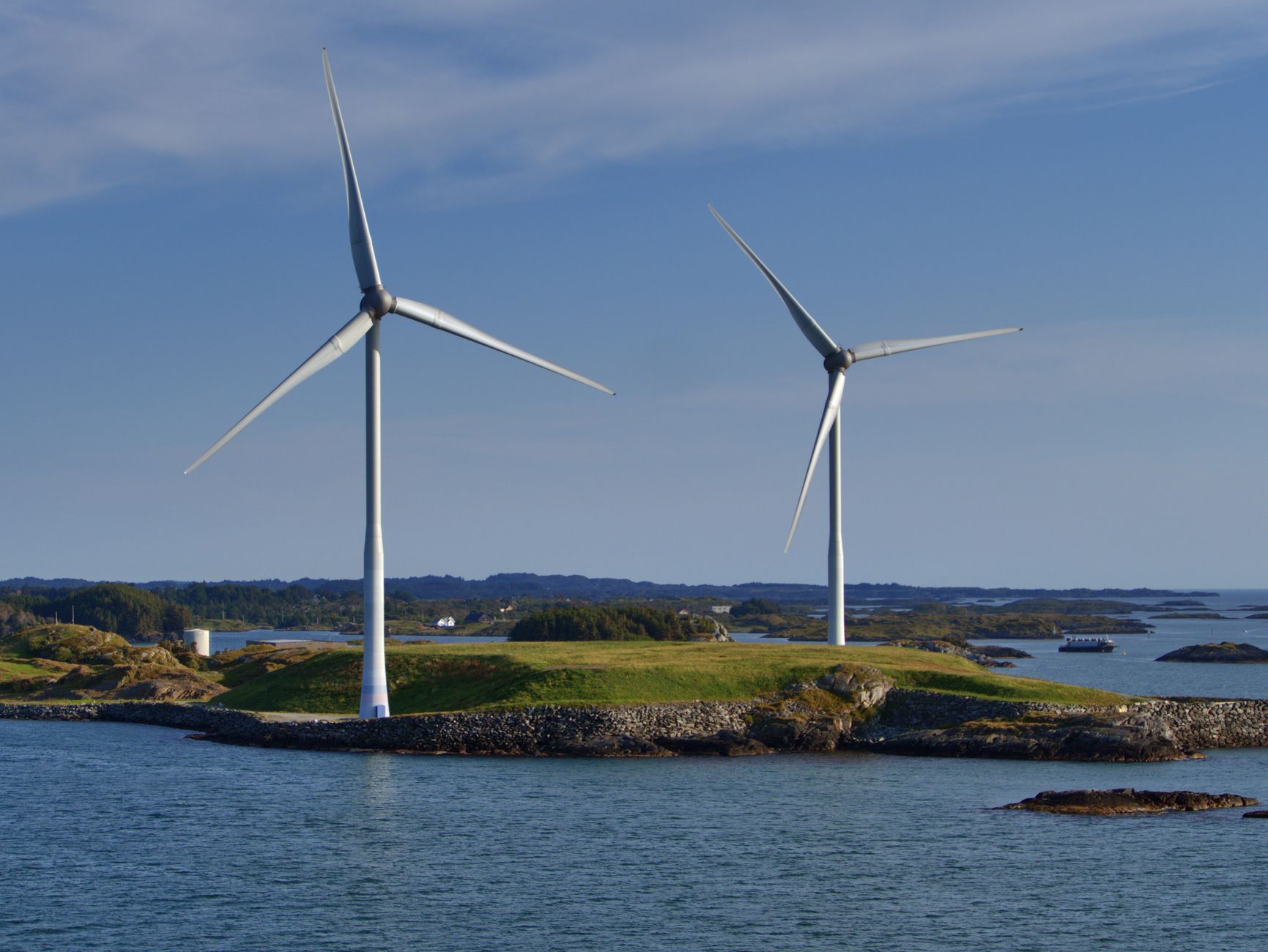
- Modern offshore turbine blades exceed 115 meters in length, representing substantial capital investment.
- Industry stakeholders are advocating for regulatory continuity to safeguard established projects.
- Long-term policy clarity is essential for maintaining operational offshore wind portfolios.
Why Scottish Assets Matter Now
As the UK government undertakes a comprehensive energy reset, Scotland's offshore wind portfolio stands as one of the nation's most productive renewable energy foundations. The sector has invested heavily in deployed capacity and grid infrastructure, yet faces uncertainty as broader energy strategy shifts. Project developers and operators are signaling concern that policy changes could jeopardize assets already generating revenue and grid stability.
The Scale of Investment
Offshore wind requires sustained capital commitment over decades. Modern turbine blades now routinely exceed 115 meters in length—longer than a football field—and represent just one component of multi-billion-pound installations. These assets cannot be quickly relocated or repurposed. When policy frameworks change mid-lifecycle, it creates cascading risks: financing becomes harder to secure, maintenance contracts face renegotiation, and operational schedules may become uneconomical under new regulatory conditions.
What "Protection" Means in Practice
Industry calls for protection are not requests for subsidies, but rather demands for regulatory predictability. Existing offshore wind farms operate under specific licensing, grid connection, and revenue frameworks. Abrupt changes to environmental assessment protocols, grid access terms, or operational constraints can effectively reduce asset viability without formal decommissioning. The sector wants assurance that the rules governing current projects won't shift unexpectedly during the energy reset.
Forward Movement
The timing matters. The UK's energy transition depends on maintaining reliable output from operational renewables while new capacity comes online. Scotland's offshore wind fleet already contributes meaningfully to this stability. A reset that inadvertently undermines existing generators while ramping up new policy instruments creates a gap—precisely the kind of operational vacuum that forces grid operators back toward fossil-fuel backup.
Stakeholders aren't opposed to reinvention of UK energy policy; they're asking that existing, performing assets be treated as infrastructure worth preserving, not liabilities to be restructured. Continuity with existing Scottish projects should be a feature of the reset, not an oversight.
Enjoyed this one?
Get the next MW Daily entry straight to your inbox.
mwdaily.energy — no spam, unsubscribe anytime