EnBW approves 41MW Forbach battery project
EnBW moves forward with mid-scale battery storage in Forbach, addressing grid flexibility needs in the renewable transition.
At a Glance
- EnBW has approved a 41 MW battery storage project in Forbach.
- Battery systems at this scale provide essential grid balancing as renewable penetration increases.
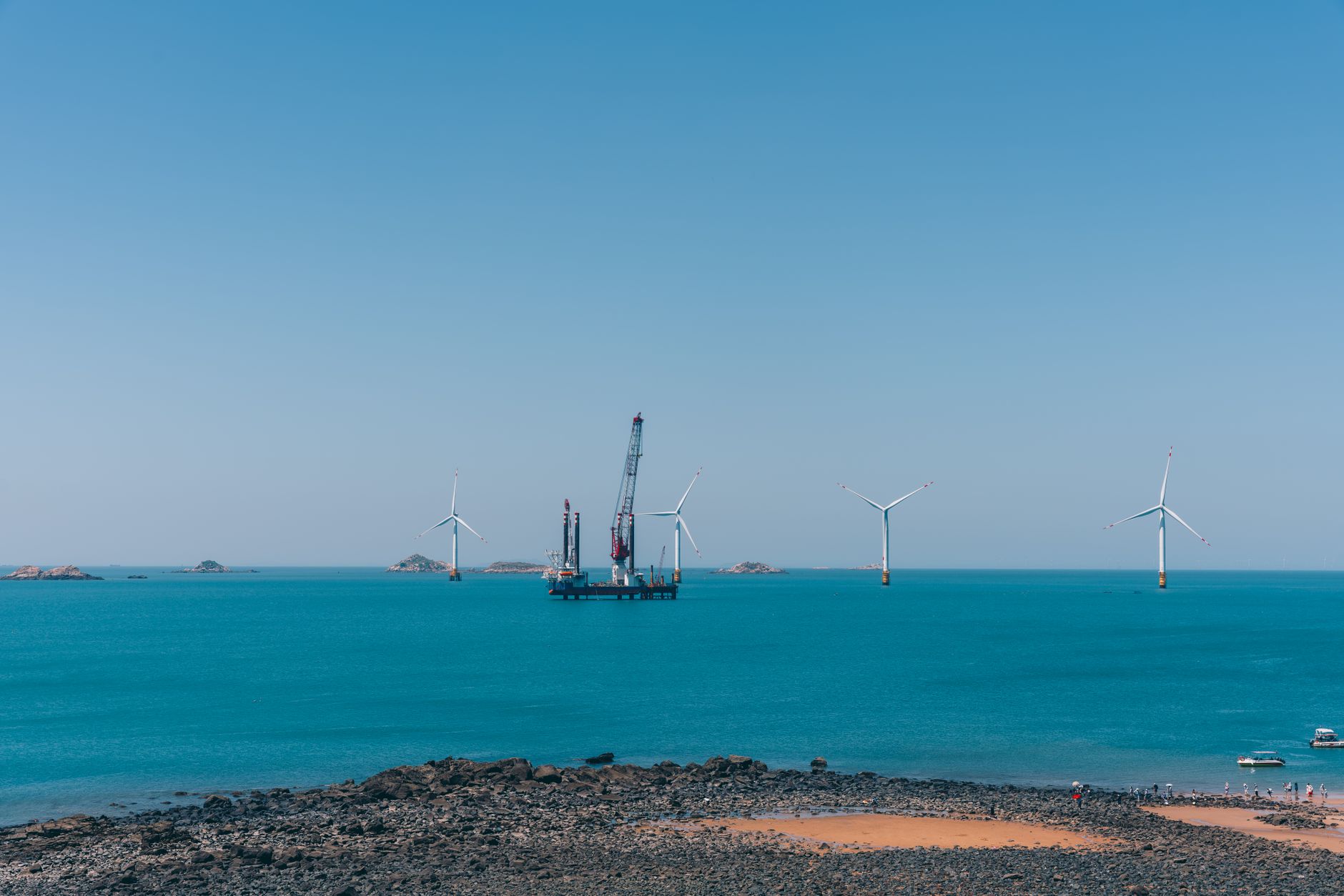
- Modern wind infrastructure, including offshore blades exceeding 115 meters, generates variable output that storage systems help stabilize.
- Mid-sized battery projects represent a practical response to managing renewable variability at the distribution level.
Bridging the Intermittency Gap
EnBW's approval of the Forbach battery installation reflects a maturing industry response to one of renewable energy's central challenges: temporal mismatch between generation and demand. At 41 megawatts, this project sits in the operational sweet spot for many European markets—substantial enough to deliver meaningful grid services, yet scaled to serve a defined regional footprint rather than attempting continent-wide solutions.
As wind penetration climbs across continental Europe, the physics of variable generation becomes impossible to ignore. Modern offshore turbine blades now exceed 115 meters in length, enabling machines to capture wind energy at scales previously impossible. This capacity is transformative for decarbonization targets, but it also means grid operators face unprecedented swings in power injection. When weather patterns shift, output can swing dramatically across hours or minutes. Battery systems like Forbach's provide the temporal bridge that conventional baseload plants once offered through continuous spinning reserve.
Economics of Duration and Discharge Rate
The 41 MW designation tells us this installation is calibrated for relatively short-duration support—likely measured in minutes to a few hours of full discharge. That operational envelope suits rapid frequency stabilization and peak shaving better than multi-day energy arbitrage. For grid planners, this means EnBW is targeting the most immediate pain point: keeping voltage and frequency stable as intermittent resources become the dominant generation source.
This sizing also suggests careful site selection and permitting in an increasingly congested landscape. Projects at this capacity avoid some of the community friction that larger installations encounter, while still moving the needle on grid resilience metrics that utilities must demonstrate to regulators.
The Reinforcement Loop
Projects like Forbach don't exist in isolation. As wind and solar capacity expands—itself driven by cost curves that reward larger installations—grid support infrastructure becomes economically essential rather than optional. Battery systems essentially underwrite the business case for continued wind deployment by solving the dispatchability problem that remains wind's operational weakness. This interdependence suggests both wind and storage will continue scaling in parallel across European grids for the foreseeable future.
Enjoyed this one?
Get the next MW Daily entry straight to your inbox.
mwdaily.energy — no spam, unsubscribe anytime