Turkey commits to offshore wind amid electrification push for COP31
Turkey positions offshore wind as centerpiece of clean energy strategy heading into COP31 climate negotiations.
At a Glance
- Turkey is advancing offshore wind development as part of broader electrification efforts aligned with upcoming climate commitments.
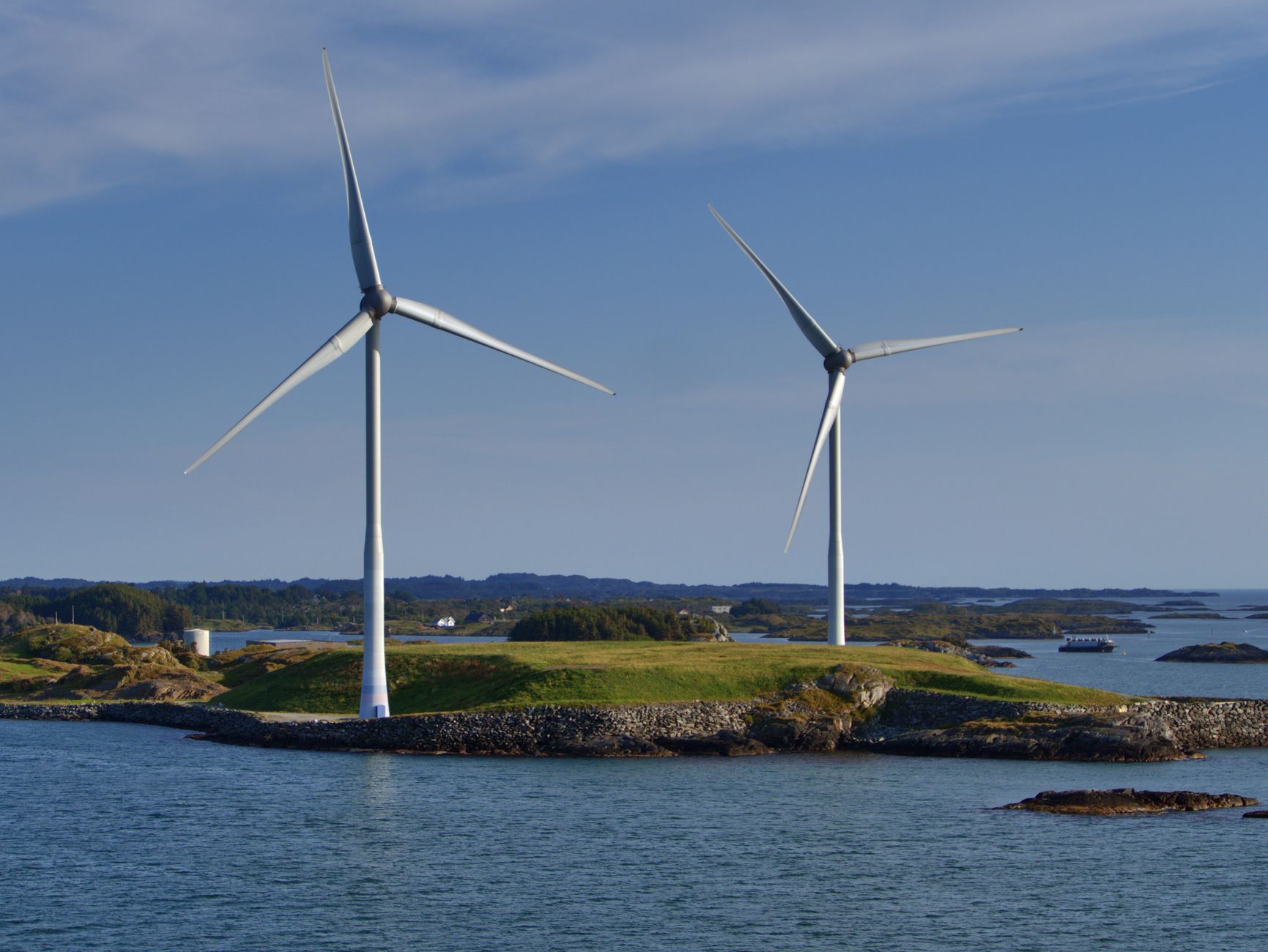
- Modern offshore turbine blades now exceed 115 meters in length, enabling significantly higher capacity factors than onshore installations.
- Offshore wind deployment requires substantial grid modernization and marine infrastructure investment beyond typical onshore projects.
Turkey's Offshore Pivot
Turkey's commitment to offshore wind development signals a strategic shift in how the country intends to meet electrification goals ahead of international climate negotiations. The move reflects growing recognition that land constraints and grid demand in population centers make offshore resources increasingly attractive for large-scale deployment. This isn't merely symbolic positioning—offshore wind farms can generate power closer to coastal industrial and urban demand centers, reducing transmission losses compared to inland wind farms.
Scale and Engineering Reality
What makes this pivot feasible at scale is the maturation of offshore turbine technology. Modern offshore units deploy blades exceeding 115 meters—substantially longer than onshore counterparts—which translates to swept areas and power ratings that can reach 12-15 megawatts per unit. The extended blade length captures higher-altitude wind resources with greater consistency, delivering capacity factors routinely above 50 percent. This performance advantage justifies the higher capital expenditure and operational complexity of marine installations.
Turkey's geography offers genuine advantages: the Black Sea and eastern Mediterranean present wind resources worth developing, though they demand different construction, maintenance, and supply-chain approaches than onshore farms. Floating foundations may play a role in deeper waters, introducing additional technical and permitting considerations.
Grid and Timing Implications
Electrification targets require not just generation, but network readiness. Offshore wind integration demands submarine export cables, marine substations, and onshore grid reinforcement—all long-lead-time items. The COP31 calendar creates pressure for visible progress, which often conflicts with realistic project timelines for offshore development. Engineering teams will need to balance ambition with buildout sequencing.
Turkey's commitment matters beyond its borders. Mediterranean and Black Sea offshore wind remains nascent in most neighboring countries; successful Turkish projects establish supply-chain presence, regulatory frameworks, and operational experience that can influence regional competition and cooperation. The technical bar is clear—blade and turbine suppliers must deliver reliability in a marine environment, and grid operators must manage intermittency at new scales.
This is a credible move, not political theater. Whether execution matches announcement will depend on funding stability, permitting pace, and whether the supply chain can actually deliver large offshore units to Turkish ports on schedule.
Enjoyed this one?
Get the next MW Daily entry straight to your inbox.
mwdaily.energy — no spam, unsubscribe anytime