OPINION | Does it make financial sense to export green hydrogen-derived ammonia around the world?
Economics of shipping hydrogen-derived ammonia globally raises questions about cost-competitiveness versus domestic production models.
At a Glance
- Long-distance ammonia export economics depend heavily on production cost advantages in source countries.
- Offshore wind installations now deploy blades exceeding 115 meters, enabling larger turbines for hydrogen production.
- Transportation and conversion losses must be weighed against local synthesis and distribution costs.
- Market structure and policy support will ultimately determine viability of ammonia as a hydrogen vector.
The Transportation Arbitrage Problem
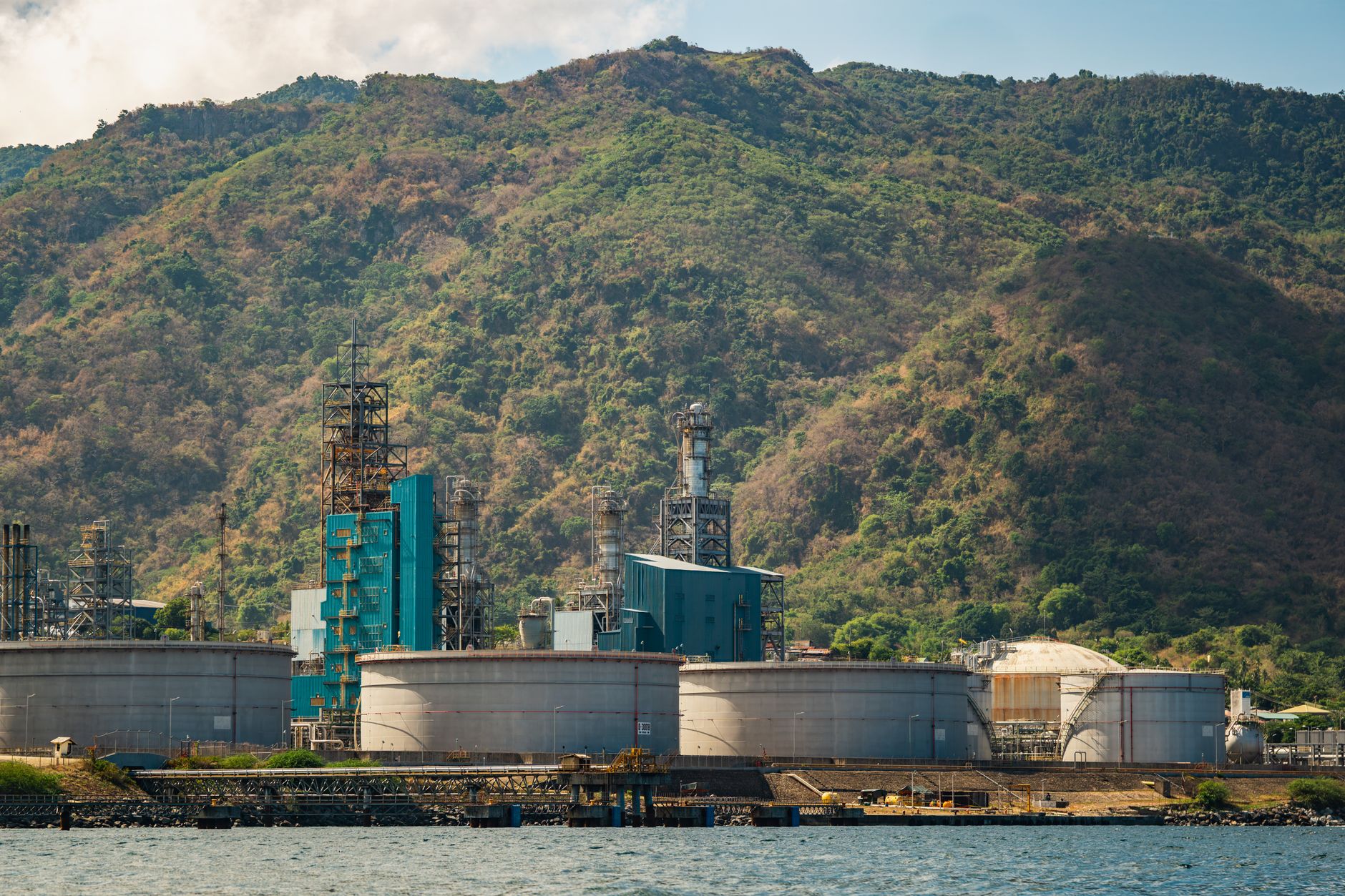
Exporting ammonia as a hydrogen carrier across oceans presents a compelling logistics narrative: ammonia is liquid under pressure at room temperature, shipping infrastructure exists, and it can be cracked back to hydrogen or burned directly in certain applications. Yet the financial case depends on a narrow calculation: can you produce hydrogen cheaply enough at point A, synthesize it into ammonia, ship it thousands of kilometers, and still undercut production costs at the destination? For this to work consistently, you need either extremely low-cost renewable electricity or access to stranded power that has no domestic outlet.
The offshore wind sector's recent scaling—modern blades now routinely exceed 115 meters in length, enabling turbines that dwarf earlier generations—does support cheaper renewable hydrogen at coastal sites. Larger rotors capture more wind resource over extended heights, pushing capacity factors upward and levelized costs downward. This helps the economics at the origin point. But shipping cost and conversion penalties remain real friction.
Where the Model May Hold
Export ammonia makes clearest sense for countries with abundant renewable resources, limited domestic hydrogen demand, and geographic proximity to major consuming regions. If a nation has enough offshore wind to power electrolysis at truly competitive rates—and local uses for hydrogen won't absorb that output—then ammonia export becomes a demand-side revenue stream. Conversely, destination markets importing ammonia must accept a higher delivered cost per unit of hydrogen equivalent to justify the supply chain complexity.
Policy also shapes the math. Carbon pricing that favors zero-carbon fuels, or subsidies that underwrite export projects, can make uncompetitive routes viable at least temporarily. But without structural cost advantages, ammonia trade risks becoming a subsidy-dependent appendage rather than an efficient market outcome.
The Real Question
This isn't a simple yes or no. Export ammonia will likely occupy a niche: serving regions with weak renewable resources and high hydrogen demand, supplied by countries with surpluses and production cost edges. Mass global ammonia trade as a hydrogen mechanism faces headwinds. Most consuming economies will eventually develop their own renewable hydrogen capacity or tap lower-cost delivery methods. The offshore wind scaling that supports cheaper green hydrogen should logically encourage distributed production rather than centralized export models.
The financial sense depends entirely on the specific regional pair, electricity costs, and time horizon you're analyzing.
Enjoyed this one?
Get the next MW Daily entry straight to your inbox.
mwdaily.energy — no spam, unsubscribe anytime