Project sales push PNE earnings higher
PNE wind energy firm sees earnings growth driven by project sales activity
At a Glance
- PNE's financial performance improved on the back of increased project sales
- Offshore wind turbine blades now regularly exceed 115 meters in length, stretching longer than a football field
- Project sales remain a key revenue driver for wind development companies navigating market demand
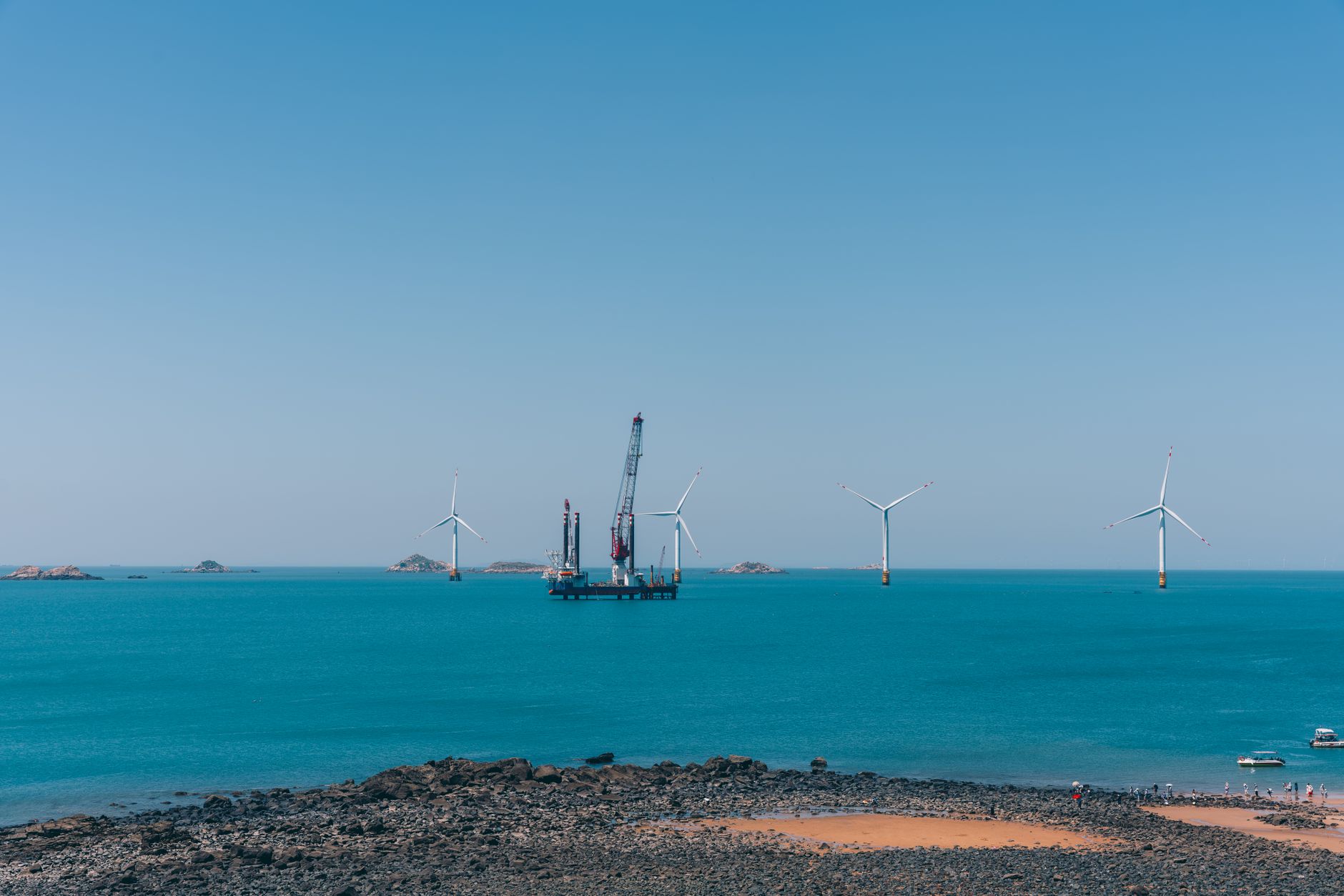
Revenue drivers in wind project sales
Wind developers operating across Europe continue to rely on project sales as a primary lever for near-term earnings. For PNE, the strategy appears to be paying dividends as the firm moves projects through development phases and into transaction windows. This model—acquiring rights, advancing permitting and design work, then selling to larger operators or financial buyers—remains a cornerstone of the independent developer playbook, particularly in markets where capital constraints and grid connection queues create bottlenecks for direct construction and operation.
Scale driving complexity and cost
As offshore turbine technology has matured, machine sizes have become a critical competitive factor. Modern offshore blades now exceed 115 meters in length—longer than a football field—which fundamentally reshapes the engineering, logistics, and installation economics of a project. Longer blades translate to higher capacity factors and better energy yields per unit of seabed real estate, but they also demand specialized foundation designs, heavier lifting infrastructure, and more sophisticated vessel scheduling. For developers like PNE selling projects to operators, demonstrating mastery of these technical requirements—from blade fatigue analysis to installation methodology—becomes a material asset in commanding valuation multiples.
Market positioning through deal flow
The earnings uplift from project sales reflects healthy deal flow in European wind markets, despite persistent challenges around permitting timelines and grid connection queues. Developers with a track record of moving projects from concept to bankability gain pricing power and buyer confidence. PNE's results suggest their portfolio—likely spanning different geographies and technologies—remains attractive enough to generate transaction activity when market conditions permit.
For the broader sector, this reinforces a structural reality: independent developers and project originators occupy a necessary role in the value chain, translating regulatory approvals, site knowledge, and pre-development work into tangible assets. As turbine capex remains elevated and installations scale upward in complexity, that origination function is unlikely to diminish. Whether through outright sales or joint ventures, the ability to de-risk projects early and hand them off to larger operators or utilities appears to remain a viable path to profitability in this phase of the market.
Enjoyed this one?
Get the next MW Daily entry straight to your inbox.
mwdaily.energy — no spam, unsubscribe anytime