3t and Ørsted launch wind training partnership
3t and Ørsted partner to build workforce skills as offshore wind scales up with increasingly complex turbine designs.
At a Glance
- 3t and Ørsted have launched a collaborative training program to develop wind industry talent.
- Modern offshore turbine blades now exceed 115 meters in length, requiring specialized technical expertise.
- Workforce development partnerships are becoming critical as the industry scales manufacturing and installation operations.
- Training initiatives address the growing gap between demand for skilled technicians and available labor supply.
Scaling Expertise as Turbines Grow
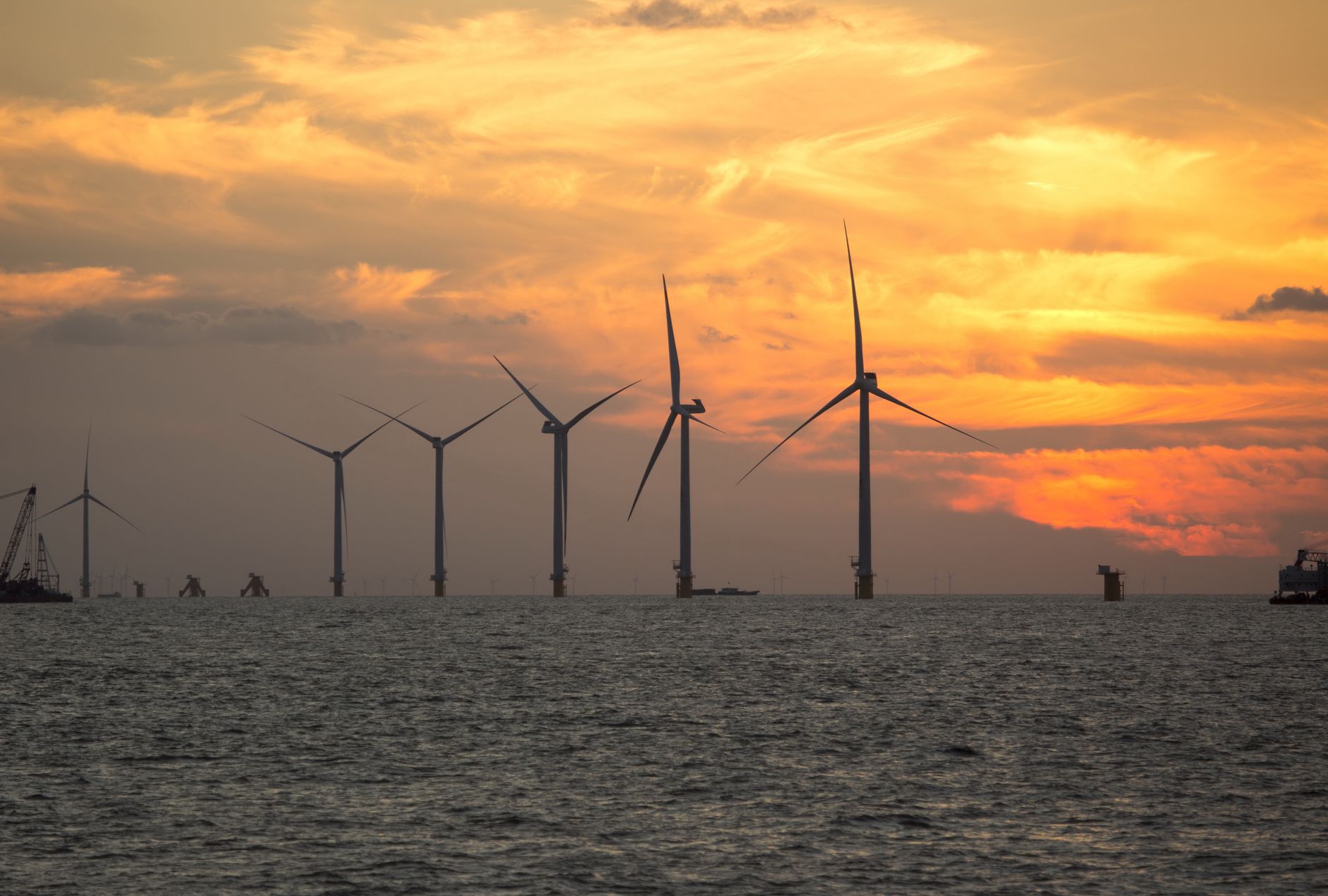
The offshore wind sector is scaling faster than the pipeline of trained personnel can fill. Ørsted's partnership with 3t reflects a hard-won lesson across the energy transition: capital and engineering capacity mean little without people who actually know how to build, install, and maintain increasingly complex machines. As turbine specifications push beyond previous limits—modern offshore blades now exceed 115 meters—the technical bar for competency has risen sharply. Training programs can no longer rely on generic mechanical aptitude; technicians need domain-specific knowledge from day one.
Why Partnership Matters Now
The offshore wind supply chain has traditionally relied on knowledge transfer from established players, often ad-hoc and inefficient. When Ørsted operates at scale across multiple markets, in-house training alone becomes a bottleneck. A formalized partnership with a dedicated training organization allows both parties to solve a shared problem: ensuring pipelines of competent technicians without diverting engineering resources from core projects. This model also creates portability—training standards and credentials that travel across regions and employers strengthen the entire sector.
The Real Constraint
Most wind professionals will recognize the core issue: you can't accelerate growth faster than your workforce can absorb it. Fabrication yards need people who understand composite handling and welding under controlled conditions. Installation vessels require crews trained on complex logistics and height-dependent procedures. Operations and maintenance technicians must troubleshoot systems that operate in hostile environments where downtime costs are measured in tens of thousands per day. Generic vocational training doesn't close this gap.
Structured partnerships between operators and specialized training providers create feedback loops—real project experience informs curriculum, and curriculum quality improves job performance. When a major developer like Ørsted commits formally to training, it signals that these roles are career paths, not temporary work. That matters for recruitment and retention.
The offshore wind industry remains labor-constrained in most markets. This collaboration addresses one lever among several needed—supply chain resilience, manufacturing capacity, and grid integration all matter—but you cannot build any of it without trained people ready to execute at scale.
Enjoyed this one?
Get the next MW Daily entry straight to your inbox.
mwdaily.energy — no spam, unsubscribe anytime