Trump said he will refuse wind permits despite bipartisan permitting bill
Trump signals opposition to wind permitting even as bipartisan legislation moves forward, creating uncertainty in project development timelines.
At a Glance
- Trump has indicated he will refuse to issue wind permits despite a bipartisan permitting bill advancing through Congress.
- Permitting gridlock could delay major infrastructure projects that require federal authorization.
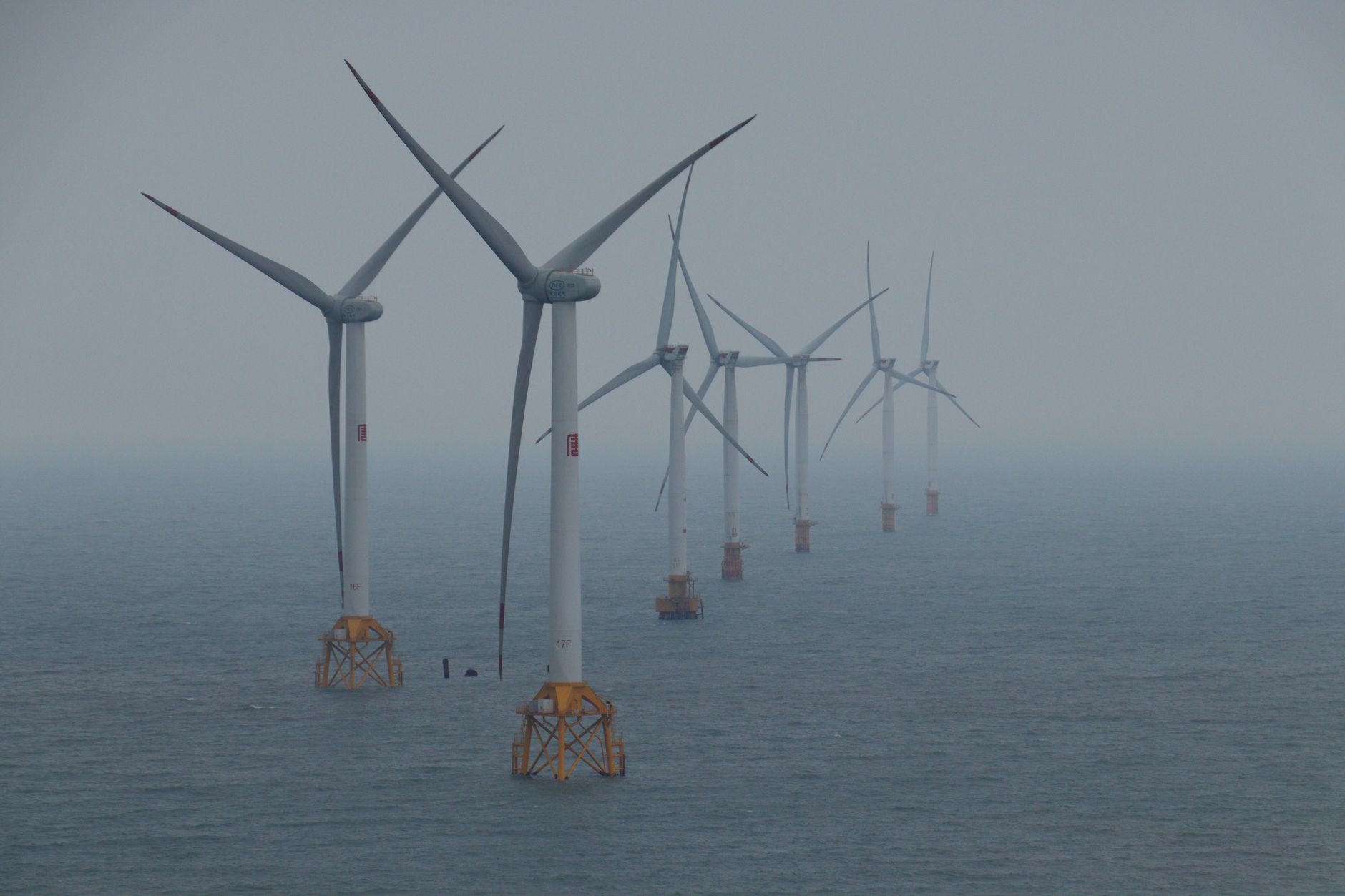
- Modern offshore turbine blades now exceed 115 meters in length, requiring sophisticated transport and installation permitting processes.
- Uncertainty in federal policy creates risk for developers planning multi-year project timelines.
Permitting Authority and Political Reality
Even if Congress passes bipartisan permitting legislation, executive discretion over individual project approvals introduces significant friction into development schedules. Permitting frameworks establish process and timelines, but final authorization typically flows through agencies under presidential direction. A stated refusal to grant permits—regardless of legislative pathway—signals that procedural clarity alone won't resolve the fundamental approval bottleneck for wind developers.
This gap between statutory process and administrative willingness affects how companies model project economics. Developers must now price in approval risk at the federal level, complicating financing discussions and long-term capacity planning.
Infrastructure and Technical Complexity
Modern offshore wind installations involve logistics that demand coordinated permitting across multiple jurisdictions. Today's turbine blades exceed 115 meters in length—substantially longer than a football field—requiring specialized vessels, port facilities, and marine routing approval. These physical realities don't disappear when political winds shift. They still need accommodation somewhere in the regulatory framework.
The technical infrastructure required to install these devices hasn't become simpler; if anything, the engineering challenges grow as turbines scale. Avoiding permitting requirements doesn't make the work go away—it redistributes risk and cost to developers caught between legislative intent and executive action.
What This Means for Project Development
Developers currently holding leases or preliminary approvals face a credibility test with capital partners. Banks and equity investors need clarity on authorization timelines. A stated unwillingness to approve permits, even within a legal framework, reduces that clarity substantially.
For offshore projects already advanced in permitting, the question becomes whether existing approvals survive administrative transition or face reopened review. For early-stage projects, the calculus shifts: is it worth deploying development capital if federal sign-off becomes contingent on political preference rather than regulatory criteria?
The bipartisan permitting bill may streamline process, but process reform means little if the decision to permit remains subject to veto at the executive level. Wind energy development requires years of planning and financing. Removing predictability from that timeline affects whether projects advance to construction or remain shelved.
Enjoyed this one?
Get the next MW Daily entry straight to your inbox.
mwdaily.energy — no spam, unsubscribe anytime