Energy security drives renewables surge, says IEA
IEA links energy security concerns to accelerating renewable deployment, reshaping investment priorities across wind and solar sectors.
At a Glance
- IEA identifies energy security as a primary driver behind the global surge in renewable energy adoption.
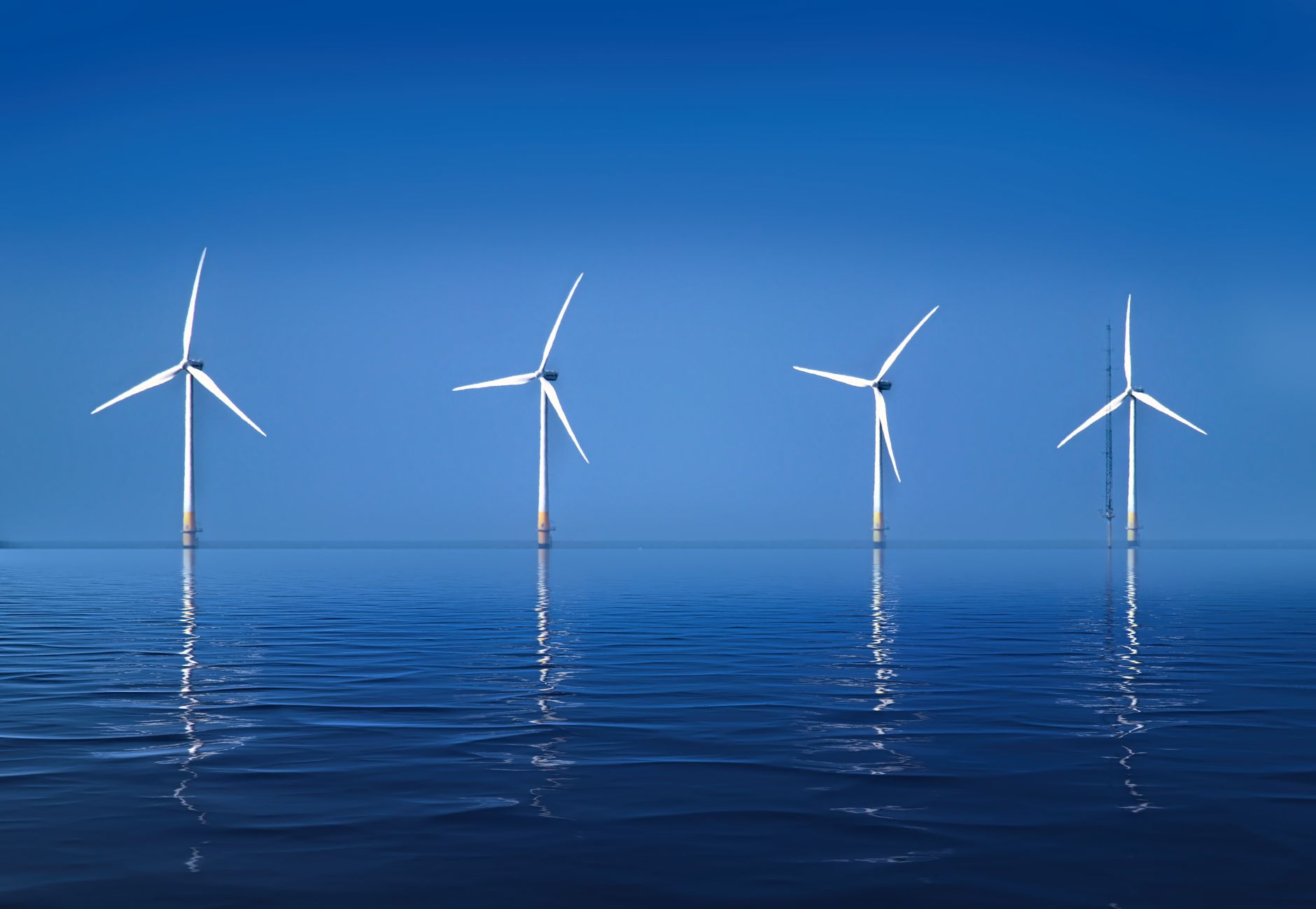
- Offshore wind turbine blades now exceed 115 meters in length, enabling higher capacity factors and reduced installation costs per megawatt.
- Security-driven renewable expansion is reshaping capital allocation and grid planning strategies across major markets.
- Larger blade designs reflect engineering advances that make offshore wind increasingly competitive as baseload capacity.
Security Over Cost Alone
The International Energy Agency's recent assessment reframes how policymakers and investors should view renewable energy deployment. Rather than treating wind and solar as primarily economic plays, the agency positions them as essential infrastructure for geopolitical resilience. This shift carries real weight in boardrooms and government budgets—it changes the urgency calculation and can justify faster timelines and higher upfront spending.
When energy security becomes the dominant justification, projects gain momentum regardless of short-term commodity price fluctuations. That stability matters for supply chains and manufacturing capacity planning, particularly in offshore wind where lead times stretch years.
Hardware Gets Larger, Economics Get Better
This policy tailwind arrives as the technology itself continues advancing. Modern offshore turbine blades now exceed 115 meters in length—substantially longer than a football field—allowing manufacturers to pack greater capacity into each installed unit. Fewer, larger machines mean fewer foundations, less offshore installation work, and lower balance-of-system costs per megawatt.
The scale trajectory matters because it compounds the security argument. Faster deployment of higher-capacity machines means energy independence arrives sooner. Engineers designing supply chains and fabrication facilities should be planning for continued upsizing, since the next generation is already in development.
Grid Planning Shifts
When security drives investment, the project selection logic changes. Deployment increasingly favors locations that reduce import dependence rather than purely optimal wind resources or lowest-cost sites. That's reshaping where new capacity lands and which grid upgrades get prioritized.
For engineers and developers, this means understanding both technical potential and political geography. A site that checks every box for capacity factor and environmental assessment may rank lower if it doesn't address a specific nation's strategic vulnerabilities.
What Comes Next
The momentum is real, but security-focused policy can be volatile depending on geopolitical events. Practitioners should expect continued investment but also regulatory shifts as administrations change. The technical improvements—larger blades, better offshore foundations, smarter grid integration—anchor the transition more durably than policy sentiment alone.
Enjoyed this one?
Get the next MW Daily entry straight to your inbox.
mwdaily.energy — no spam, unsubscribe anytime