SmartestEnergy signs Whitelaw Brae wind PPA
SmartestEnergy locks in power purchase agreement for Whitelaw Brae wind project, advancing contracted generation portfolio
At a Glance
- SmartestEnergy has signed a power purchase agreement covering Whitelaw Brae wind
- PPAs remain critical tools for securing long-term revenue certainty in wind development
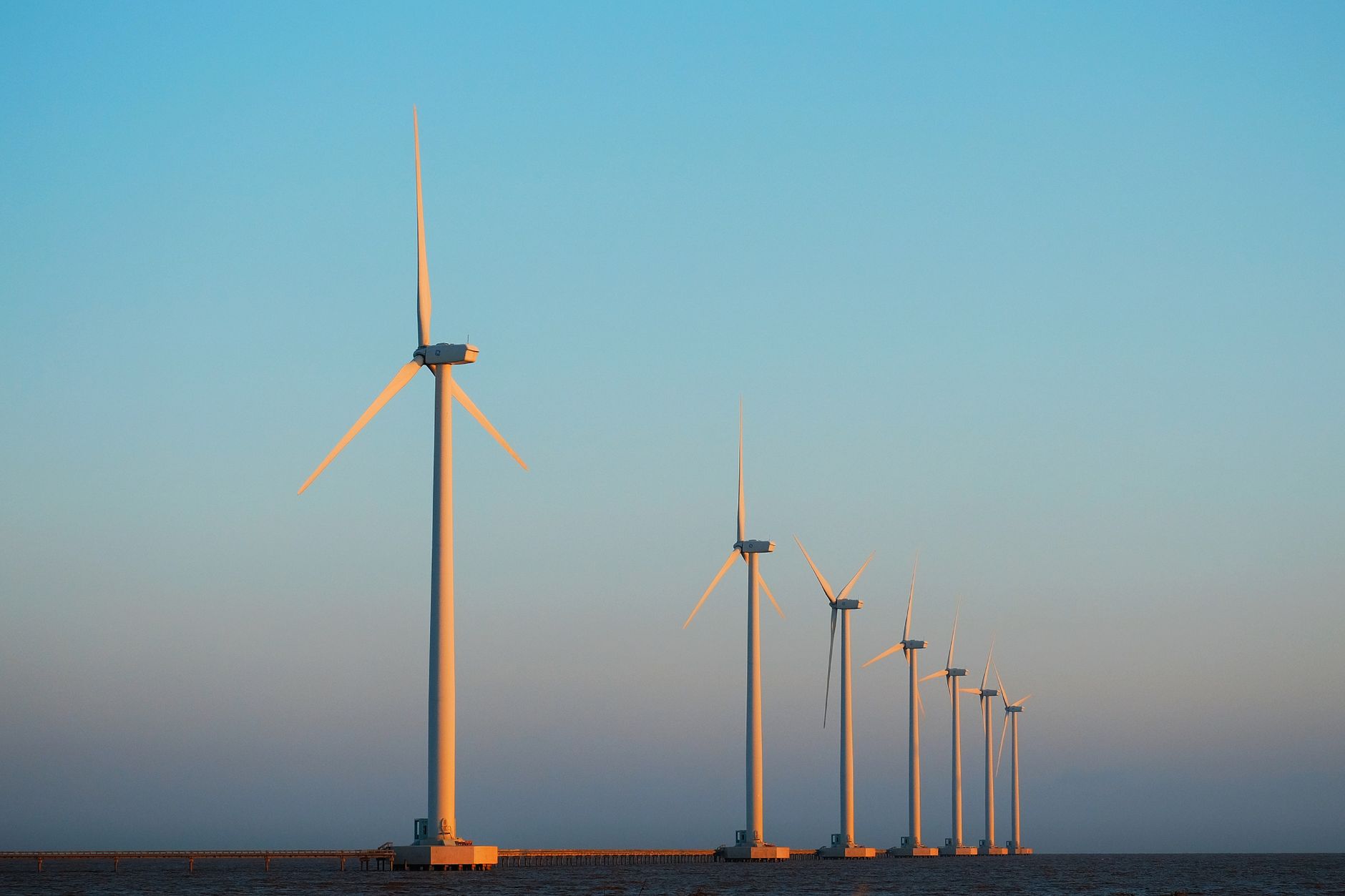
- Modern offshore turbine blades now exceed 115 meters in length, reflecting the scale of contemporary installations
- Corporate offtake agreements help balance merchant price exposure for both developer and buyer
Securing Revenue Through Contract
SmartestEnergy's execution of a power purchase agreement for Whitelaw Brae represents the kind of commercial certainty developers pursue before final investment decision. These contracts lock both parties into defined terms—typically spanning 10 to 25 years—establishing predictable cash flows that lenders and equity investors require. For SmartestEnergy, taking offtake capacity from this site reduces their exposure to wholesale price volatility while providing the project developer with a creditworthy counterparty and streamlined financing path.
The wind sector's reliance on PPAs has evolved significantly as turbine performance has improved. Today's offshore units carry blades exceeding 115 meters—a scale that would have seemed impractical a decade ago. This technological leap drives down levelized costs, making projects economically viable at sites that previously couldn't pencil out. Simultaneously, larger, more expensive individual turbines make long-term contracts even more valuable to secure project bankability.
Market Positioning and Portfolio Strategy
For a buyer like SmartestEnergy, locking in a PPA reflects deliberate portfolio management. Wind generation pairs well with variable renewable loads, and a contracted position provides stability amid market transitions. The agreement itself becomes an asset on the balance sheet, offering visibility into earnings that increasingly matters as energy companies face pressure to demonstrate emissions reduction commitments and financial resilience.
From the project side, landing a creditworthy offtaker is often the difference between funding availability and waiting. Lenders scrutinize both the renewable's resource assessment and the buyer's financial standing. A PPA from an established entity de-risks both revenue and operational assumptions, typically enough to move projects from development to construction phase.
Context in Evolving Energy Markets
These agreements reflect a market that's maturing beyond pure subsidy dependence. As wind technology costs have fallen and manufacturing scaled globally, competition has shifted toward operational excellence and long-term market positioning. PPAs allow both buyers and sellers to hedge—developers against commodity downturns, buyers against rising fossil fuel prices and grid transition costs.
Whitelaw Brae joins a growing roster of projects using market mechanisms rather than traditional support schemes. This pattern accelerates as corporate sustainability commitments create genuine demand for renewable electricity, independent of government incentives. The commercial structures are becoming more sophisticated, but the fundamental rationale remains: matching long-term generation assets with long-term demand signals.
Enjoyed this one?
Get the next MW Daily entry straight to your inbox.
mwdaily.energy — no spam, unsubscribe anytime