Scottish developers urge government to set 30GW onshore wind target
Scottish wind developers push for stronger onshore capacity goals as industry seeks regulatory clarity on growth pathways.
At a Glance
- Scottish developers are calling on government to establish a 30GW onshore wind target.
- The push reflects industry demand for clearer long-term capacity commitments to guide investment decisions.
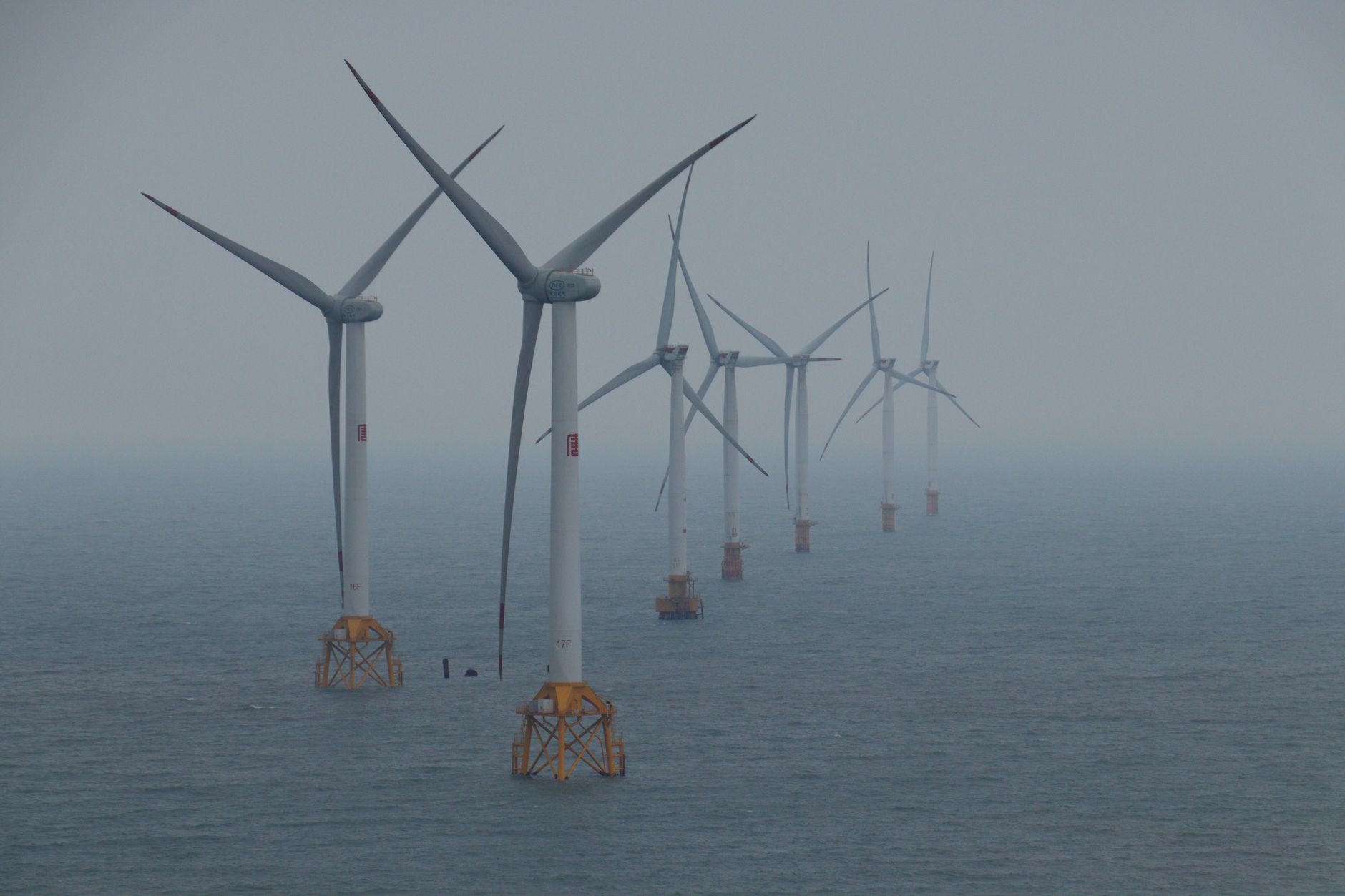
- Modern offshore turbine blades now exceed 115 meters in length, demonstrating how rapidly turbine technology continues to scale.
- Policy certainty on onshore targets remains critical for project pipeline planning and supply chain development.
Setting Targets as a Foundation for Investment
Scottish wind developers are making a straightforward case to their government: articulate a clear 30GW onshore wind capacity target. Without that regulatory signpost, the industry struggles to commit resources to project development, grid integration planning, and supply chain buildout. A defined target sends market signals that ripple through planning timelines, workforce training programs, and equipment procurement strategies. Developers need predictability to justify capital allocation in a sector where lead times stretch years.
The Scale of Modern Turbines
While offshore capacity continues capturing headlines, onshore deployment remains the backbone of wind energy economics in regions like Scotland. The technical advances enabling offshore expansion underscore what's possible when the industry receives long-term certainty—offshore turbine blades now exceed 115 meters, a scale that would have seemed impractical a decade ago. Those engineering gains didn't happen in isolation; they emerged from sustained investment confidence and manufacturing scale. Onshore technology benefits from similar trajectories when developers can plan beyond quarterly cycles.
Planning Clarity Versus Piecemeal Growth
Without a statutory target, expansion happens reactively. Projects get greenlit based on immediate grid need or corporate commitments, but infrastructure—transmission upgrades, port facilities for component handling, skilled labor pipelines—develops in fragments. A 30GW target would anchor these preparations. It signals to grid operators the scale of balancing infrastructure required. It tells supply chain partners where to invest in manufacturing capacity. It shapes educational institutions' training curricula.
The Broader Context
Scotland already leads UK onshore wind deployment, but leadership requires clarity about direction. Other regions and nations set explicit capacity goals partly to manage stakeholder expectations and partly to unlock investment thresholds where suppliers and contractors can justify permanent infrastructure. Developers pushing for this target aren't asking for subsidies or exemptions—they're requesting the basic policy architecture that allows long-term decision-making in an inherently long-cycle industry.
Enjoyed this one?
Get the next MW Daily entry straight to your inbox.
mwdaily.energy — no spam, unsubscribe anytime