Wind turbine vessel glut set to become shortage within four years, report shows
Vessel capacity that seems abundant today will tighten sharply within four years as offshore wind projects demand more specialized installation ships.
At a Glance
- A current surplus of turbine installation vessels is projected to flip into a shortage within four years.
- Growing offshore wind pipelines will require more specialized heavy-lift and transport capacity than currently exists.
- Modern offshore turbine blades exceed 115 meters in length, demanding vessels with specialized handling systems.
- Shipyard investment decisions made now will determine whether the industry can meet peak installation demand.
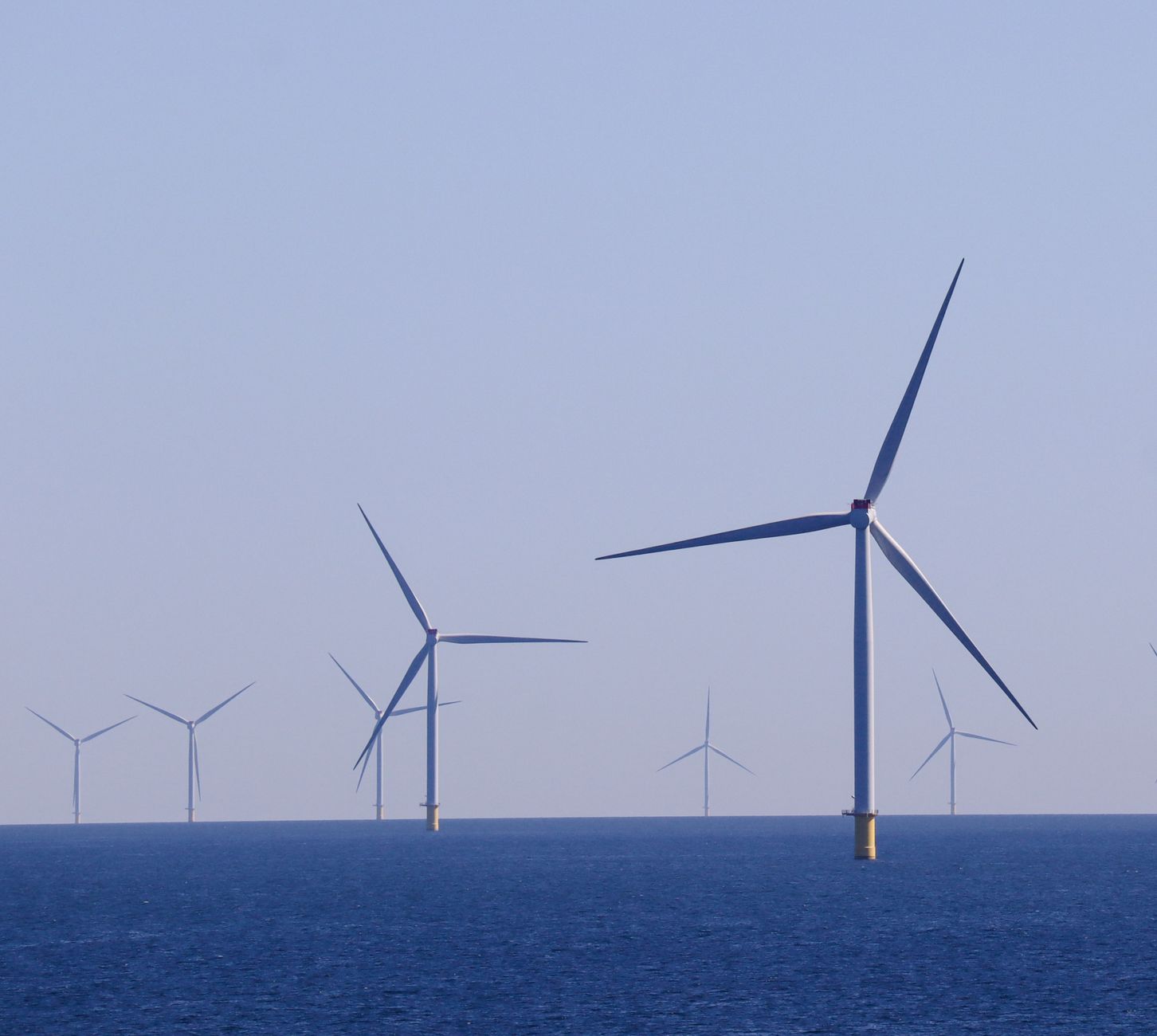
The Pendulum Swings from Surplus to Crunch
The offshore wind sector is sitting on apparent excess installation vessel capacity—a situation that masks an approaching bottleneck. Market analysis shows the glut expected to reverse within four years as project backlogs advance from development into full construction phases. This transition from slack to constraint has real implications for project scheduling and cost assumptions across the industry.
Vessel availability directly gates installation rates. When capacity tightens, day rates climb and scheduling flexibility evaporates. Developers accustomed to booking vessels at favorable terms should expect a tougher market. The mathematics are straightforward: fixed vessel fleets cannot keep pace with accelerating project deployment if no new tonnage enters service.
Why Demand Outpaces Supply
Turbine specifications themselves drive much of the pressure. Modern offshore blades now exceed 115 meters in length—comparable to a football field—requiring heavy-lift vessels with sophisticated handling equipment and positioning accuracy. These aren't generic cargo ships; they're engineered platforms with specialized cranes, motion-compensation systems, and crews trained for precision installation in dynamic offshore conditions.
The blade sizing trend won't reverse. Manufacturers continue scaling turbines to improve project economics, which means future installations will demand even larger, more capable vessels. A vessel fleet adequate for today's 12 MW machines becomes marginal for tomorrow's 15 MW units.
The Investment Decision Window
Shipyards face a narrow window to commit capital for new builds. Construction timelines for specialized offshore vessels span three to four years—exactly the horizon this report identifies for the shortage. Yards making investment decisions now will serve peak demand; those hesitating risk missing the market entirely or being forced to retrofit existing vessels at high cost.
For project developers, the signal is clear: secure vessel agreements early and build schedule buffers into risk management. Spot-market pricing won't be available when demand peaks. The current surplus creates a false sense of inevitability around installation timelines. Savvy teams will lock in capacity while terms favor developers.
The shortage appears self-inflicted—not from technical constraints but from misaligned investment cycles. The industry knew this wave was coming. Whether it capitalized on the current calm to prepare remains an open question.
Enjoyed this one?
Get the next MW Daily entry straight to your inbox.
mwdaily.energy — no spam, unsubscribe anytime