Energiekontor commissions 40MW Elsdorf wind parks
Energiekontor brings online a 40MW wind installation at Elsdorf, adding capacity to Germany's onshore fleet.
At a Glance
- Energiekontor has commissioned a 40MW wind park at Elsdorf
- This represents a material addition to onshore generation capacity in Germany
- Modern wind blade engineering continues to push rotor dimensions skyward, with offshore units now exceeding 115 meters
- Onshore projects remain critical infrastructure for meeting regional renewable targets
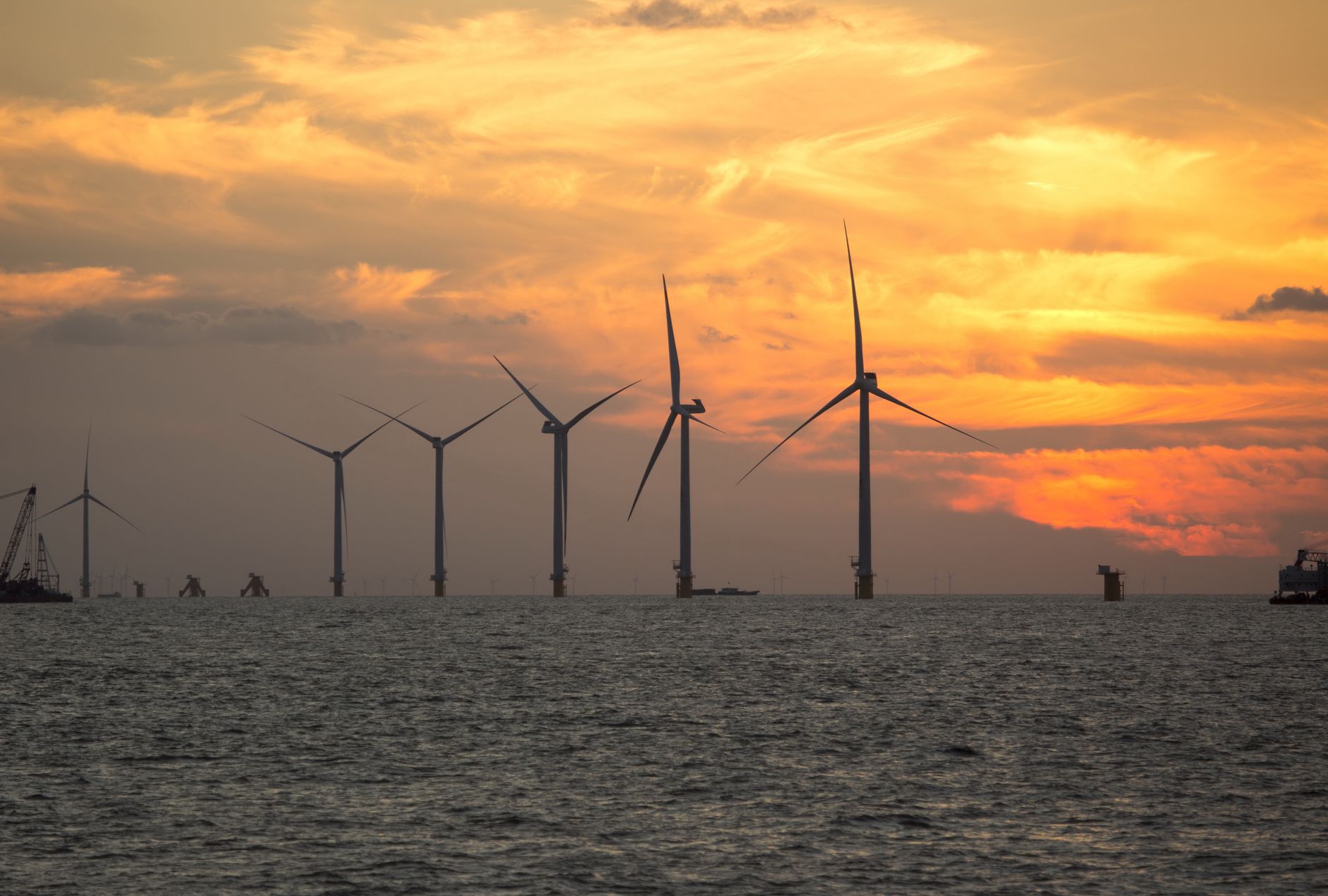
Another onshore milestone in Germany's energy transition
Energiekontor's commissioning of the Elsdorf wind park marks another step in filling Germany's capacity pipeline with onshore wind. A 40MW installation of this scale typically comprises eight to ten modern turbines, each converting wind resource into grid-connected power. For a developer operating across multiple markets, this kind of incremental deployment sustains the project development cycle while contributing measurable capacity to regional grids.
The timing matters. Germany's onshore fleet remains the backbone of its renewable portfolio, and individual projects like Elsdorf keep the permitting-to-operations pipeline moving at a pace that matters for grid planners. While headline capacity figures can flatten the reality on the ground, actual turbines spinning at established sites represent completed environmental reviews, grid studies, and community approvals—work that doesn't vanish from the engineering workload.
The scale question in modern wind engineering
Onshore and offshore turbine design have diverged considerably over the past decade. Modern offshore rotor blades now exceed 115 meters in length—longer than a football field—enabling single units to capture vastly more wind energy per sweep than earlier generations. Onshore turbines remain physically constrained by transportation logistics and hub heights, but even these have grown markedly, with 3-4 MW units now standard in new projects.
For a site like Elsdorf, turbine selection reflects the specific wind resource, local grid constraints, and German grid code requirements. The engineering team would have modeled wake losses, soil conditions, and grid connection points during the pre-construction phase—all of which influence whether a 40MW installation runs as eight 5MW machines or a different mix entirely.
Keeping the development machine fed
Projects at this scale sustain the supply chain: blade manufacturers, tower fabricators, balance-of-plant contractors, and grid connection specialists all depend on a steady flow of commissionings. A single 40MW park might represent 18–24 months of engineering, procurement, and construction work for a distributed team.
For operators watching renewable penetration rates, individual projects like Elsdorf confirm that deployment velocity persists despite permitting headwinds in some regions. Each megawatt counts toward both corporate targets and grid resilience, even if industry coverage tends to spotlight larger deals and offshore developments.
Enjoyed this one?
Get the next MW Daily entry straight to your inbox.
mwdaily.energy — no spam, unsubscribe anytime