Rezolv signs 370GWh Romanian renewables deal
Rezolv secures major renewable energy storage contract in Romania, signaling expanding Eastern European market appetite for grid stabilization solutions.
At a Glance
- Rezolv has signed a 370GWh renewable energy agreement targeting the Romanian market.
- The deal reflects growing Eastern European demand for energy storage and grid services alongside wind and solar deployment.
- Storage systems are becoming critical infrastructure as turbine and solar capacity scales—modern offshore blades now exceed 115 meters, enabling massive generation that requires commensurate balancing.
- Romania's renewable buildout requires corresponding investment in dispatchable energy and frequency support capabilities.
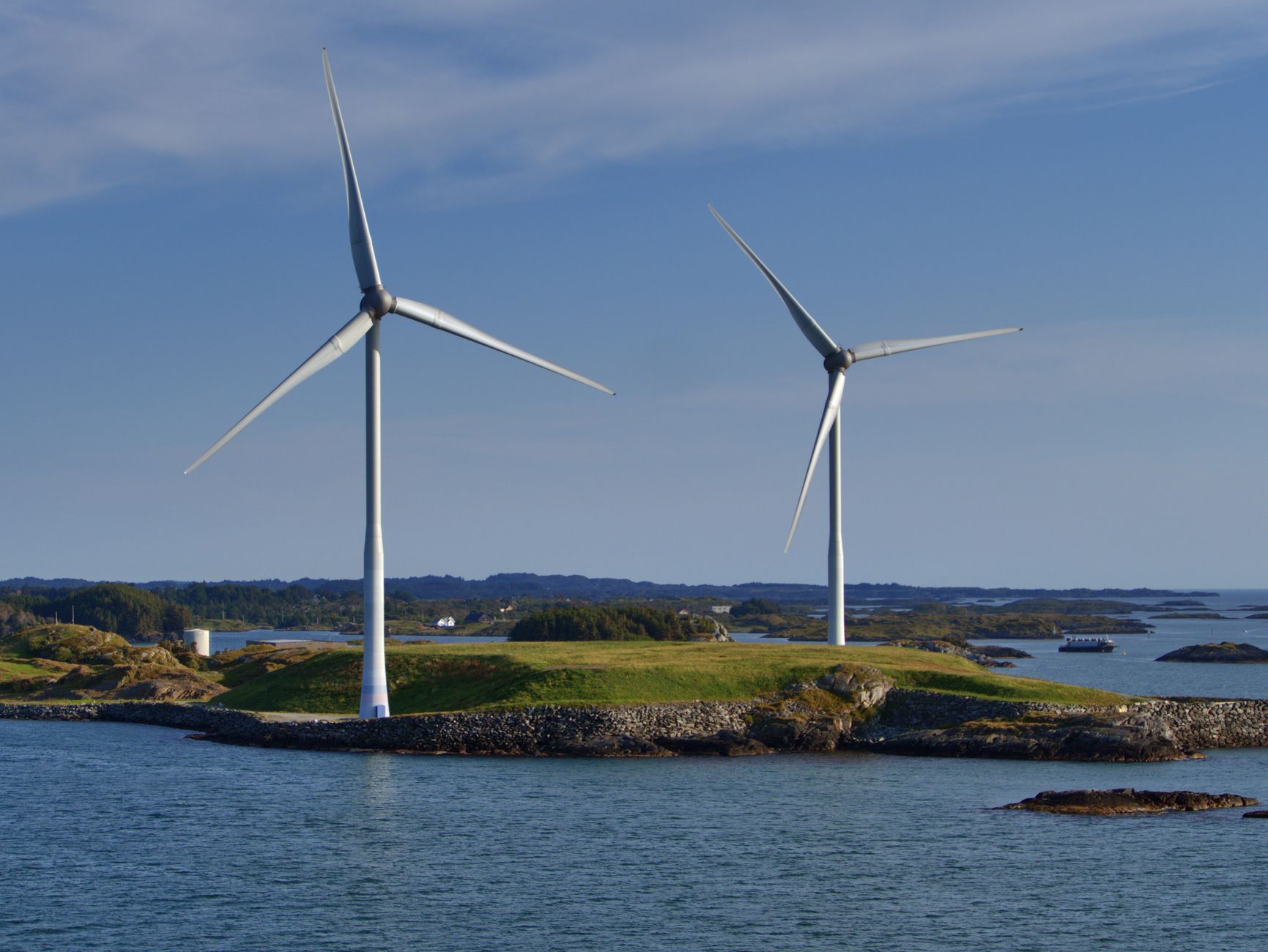
Storage Steps Into Romania's Renewable Expansion
Rezolv's substantial commitment to the Romanian renewables sector marks another data point in Eastern Europe's accelerating energy transition. A 370GWh allocation is a significant volume—large enough to smooth multi-day weather patterns and support grid reliability across a regional system that's increasingly dependent on wind and solar generation. Romania's wind resources, particularly in the eastern plains, have attracted consistent developer interest, and storage deployment typically follows generation capacity as operators work to manage dispatch variability.
Why Storage Follows Turbines
The relationship between turbine deployment and battery infrastructure isn't accidental. Modern offshore wind blades stretch beyond 115 meters—exceeding the length of an American football field—which enables single turbines to produce 12–15 megawatts and capture wind resources that smaller machines cannot reach. That kind of generation capacity creates both opportunity and operational challenge. When dozens of megawatt-scale turbines feed into a grid during high-wind periods, the system needs flexibility to absorb that power without frequency collapse. When wind drops, storage becomes a fast-response tool to prevent sudden load imbalances.
Onshore Romanian wind typically operates in different regimes than offshore installations, but the scaling principle holds: larger, more efficient machines drive higher generation density, which demands commensurate grid services.
Market Signals From the East
Rezolv's move reflects a broader industry recognition that Central and Eastern European grids are transitioning away from coal baseload faster than their infrastructure historically anticipated. Romania, like Poland and the Czech Republic, faces a window where renewable capacity is growing rapidly but storage, demand response, and transmission upgrades are still playing catch-up. Developers willing to commit capital to storage infrastructure in that market gap are positioning themselves ahead of regulatory mandates and grid operator requirements that will inevitably follow.
The 370GWh scale suggests a multi-year deployment strategy rather than a single site. That phased approach allows Rezolv to learn local grid codes, permitting cycles, and operational preferences while building market presence in a region that's increasingly attractive to international energy investors.
Enjoyed this one?
Get the next MW Daily entry straight to your inbox.
mwdaily.energy — no spam, unsubscribe anytime