Ethiopia Wind Energy Market
Ethiopia's wind sector poised for expansion as regional energy demands mount and investment interest grows
At a Glance
- Ethiopia's wind energy market is attracting renewed attention from industry players and development partners.
- Sub-Saharan Africa faces significant electricity capacity shortfalls that renewables must help address.
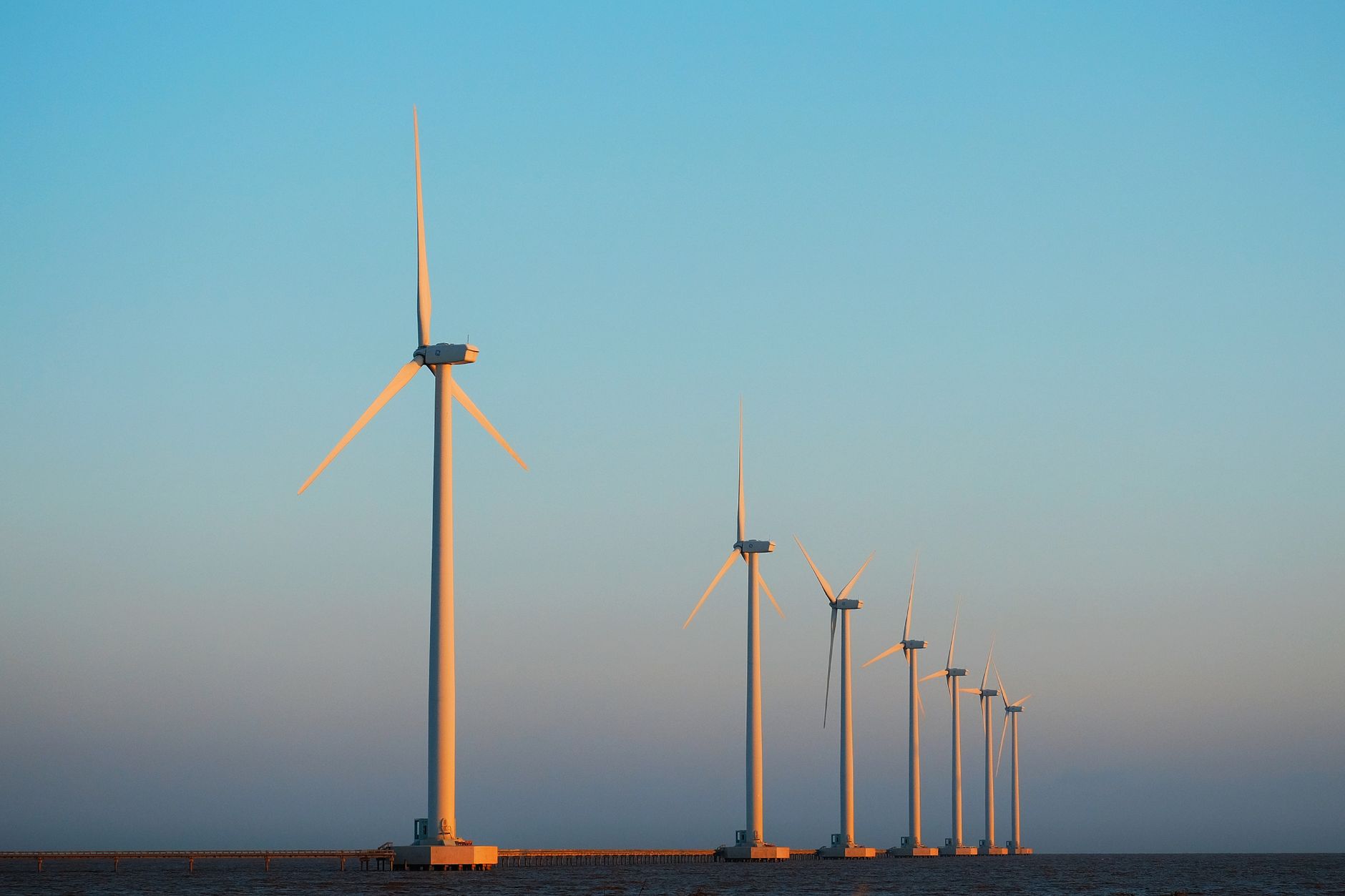
- Modern offshore turbine blade technology—exceeding 115 meters in length—demonstrates how far turbine engineering has advanced globally.
- Land-based wind resources in East Africa remain largely underdeveloped compared to global deployment rates.
Market Tailwinds in the Horn of Africa
Ethiopia's wind energy sector represents a critical opportunity in a region where electricity demand continues to outpace supply. Development organizations and private investors are reassessing the continent's wind resources as manufacturing costs decline and grid infrastructure improves. The nation's rift valley terrain and coastal approaches present genuine wind resource potential that, until now, has remained mostly unexploited at commercial scale.
The challenge isn't resource scarcity—it's the combination of capital availability, grid readiness, and local supply chain maturity. Unlike Europe or Asia, where utility-scale wind deployment is routine, Ethiopia faces the familiar East African obstacles: financing mechanisms tailored to the market, skilled workforce availability, and grid operators comfortable managing variable wind generation.
Global Context: How Far Turbine Technology Has Advanced
It's worth remembering that the wind industry's technological trajectory shapes what becomes economically viable in emerging markets. Modern offshore turbine blades now exceed 115 meters in length—longer than an American football field—enabling single machines to generate 12-15 MW with minimal wake losses. That engineering capability exists globally, even if offshore deployment remains concentrated in wealthy regions.
Onshore machines serving Ethiopia will be smaller and more modular, but they inherit decades of optimization. A 3-5 MW turbine installed in the Ethiopian highlands will operate on fundamentals proven in tens of thousands of installations worldwide. That de-risking matters for a new market.
The Real Constraint: Integration and Offtake
Wind's success in Ethiopia hinges less on turbine technology and more on who agrees to buy the power. Utility contracts, industrial power purchase agreements, and regional grid interconnects determine whether projects pencil out. The domestic electricity company's financial health, transmission bottlenecks, and neighboring countries' willingness to import wind generation are the actual gatekeepers.
Capacity announcements often move faster than actual construction, so investor interest alone won't materialize megawatts. What matters is seeing financial close on concrete projects with clear offtake paths—whether domestic consumption or cross-border sales. That's where Ethiopia's wind market becomes real.
Enjoyed this one?
Get the next MW Daily entry straight to your inbox.
mwdaily.energy — no spam, unsubscribe anytime