UK lawmakers slam 'unexplained' Mingyang offshore wind lockout
UK parliament questions Mingyang exclusion from offshore wind projects amid escalating supply-chain security concerns.
At a Glance
- UK lawmakers are demanding clarity on why Mingyang Smart Energy was locked out of offshore wind opportunities.
- The exclusion raises questions about transparency in government procurement and strategic sourcing decisions.
- Modern offshore turbine blades now exceed 115 meters in length, making component sourcing and supply chains increasingly complex.
- The tension reflects broader debate over balancing renewable energy ambitions with national security considerations.
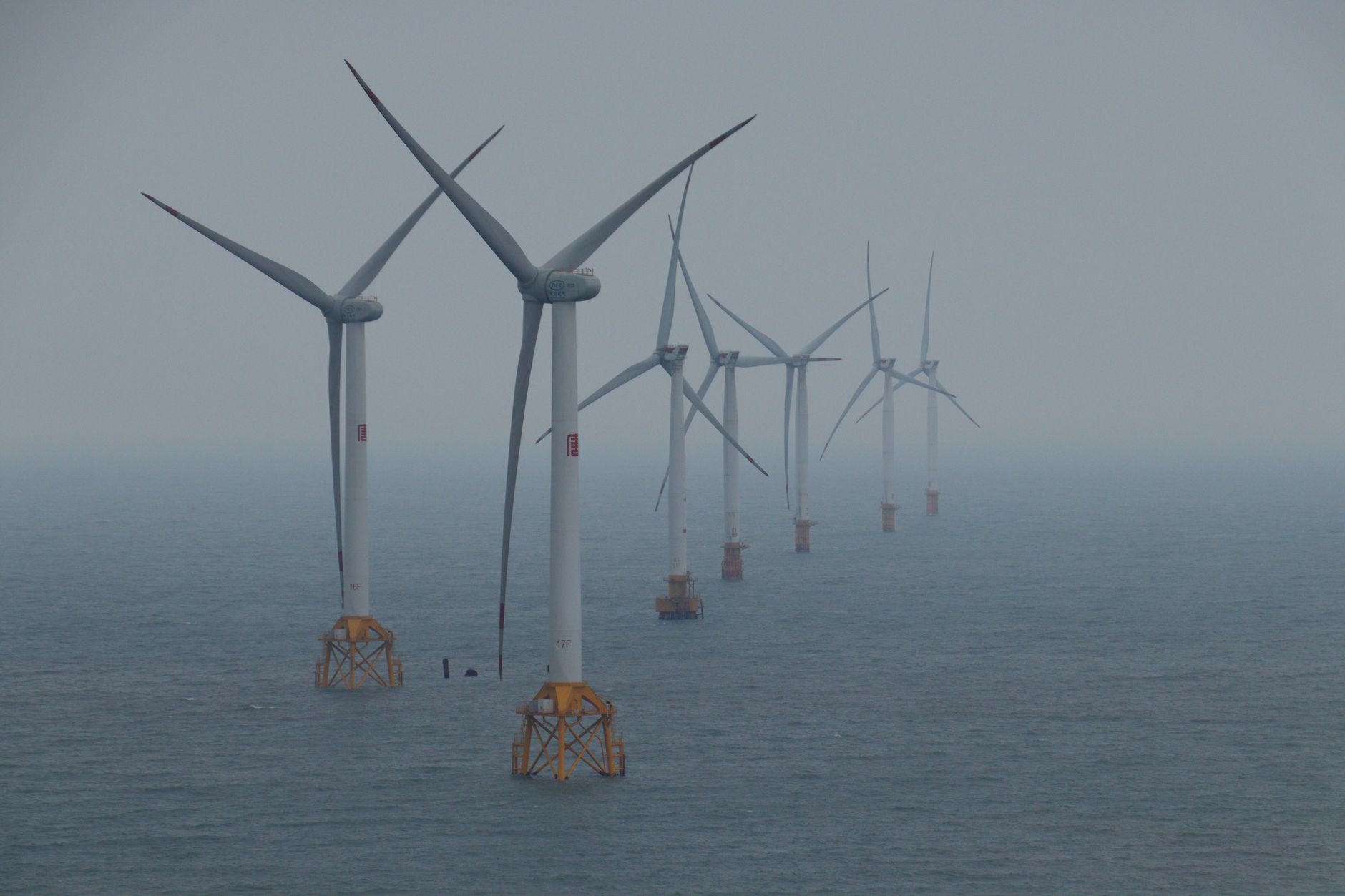
Parliament Demands Justification for Chinese Manufacturer Ban
UK lawmakers are pressing the government to explain its decision to restrict Mingyang Smart Energy from participating in offshore wind development. The move has sparked parliamentary scrutiny over whether the action was driven by technical, commercial, or geopolitical reasoning — and whether the process met standards of transparency and due process. Without clear public justification, the decision has left industry observers uncertain about how similar determinations might affect other foreign suppliers or future procurement rounds.
Supply Chain Complexity Raising Stakes
Offshore wind development depends on increasingly specialized and lengthy global supply chains. Modern offshore turbine blades now exceed 115 meters in length, making them among the largest moving parts manufactured anywhere. This scale drives reliance on a limited number of suppliers with the fabrication capacity and logistics infrastructure to handle such components. When a major player is suddenly excluded from markets, it disrupts planning cycles and raises questions about the criteria being applied to other participants.
The Broader Tension
The dispute sits at the intersection of two legitimate but sometimes competing priorities: accelerating renewable energy deployment and managing supply-chain risk. The UK has ambitious offshore wind targets, which require sustained investment and competition among capable manufacturers. Simultaneously, concerns about foreign ownership of critical infrastructure and geopolitical dependencies are reshaping how governments evaluate participation in strategic sectors.
The lack of public explanation compounds the problem. Industry operators need consistent, transparent rules to plan investments in manufacturing capacity, logistics networks, and workforce development. Opaque exclusions create uncertainty that can stifle competition and raise costs across the supply chain — ultimately working against renewable energy timelines.
What Comes Next
Parliamentary pressure may force the government to articulate its reasoning or reconsider the decision. Either way, the incident signals that sourcing choices in offshore wind are now explicitly political. Manufacturers and their supply-chain partners should expect that participation criteria will continue to evolve alongside changing security assessments. Clear, forward-looking guidance from policymakers would serve both energy ambitions and investor confidence better than decisions that appear to shift without explanation.
Enjoyed this one?
Get the next MW Daily entry straight to your inbox.
mwdaily.energy — no spam, unsubscribe anytime