Vattenfall finishes Nordlicht I foundation installation
Vattenfall completes foundation work on Nordlicht I, advancing a major offshore wind development in contested waters.
At a Glance
- Vattenfall has finished installing foundations for the Nordlicht I offshore wind project.
- Modern offshore turbine blades now exceed 115 meters in length, requiring specialized foundation and support systems.
- Foundation completion represents a critical milestone in the project timeline, moving toward turbine installation phases.
Clearing the Path for Installation
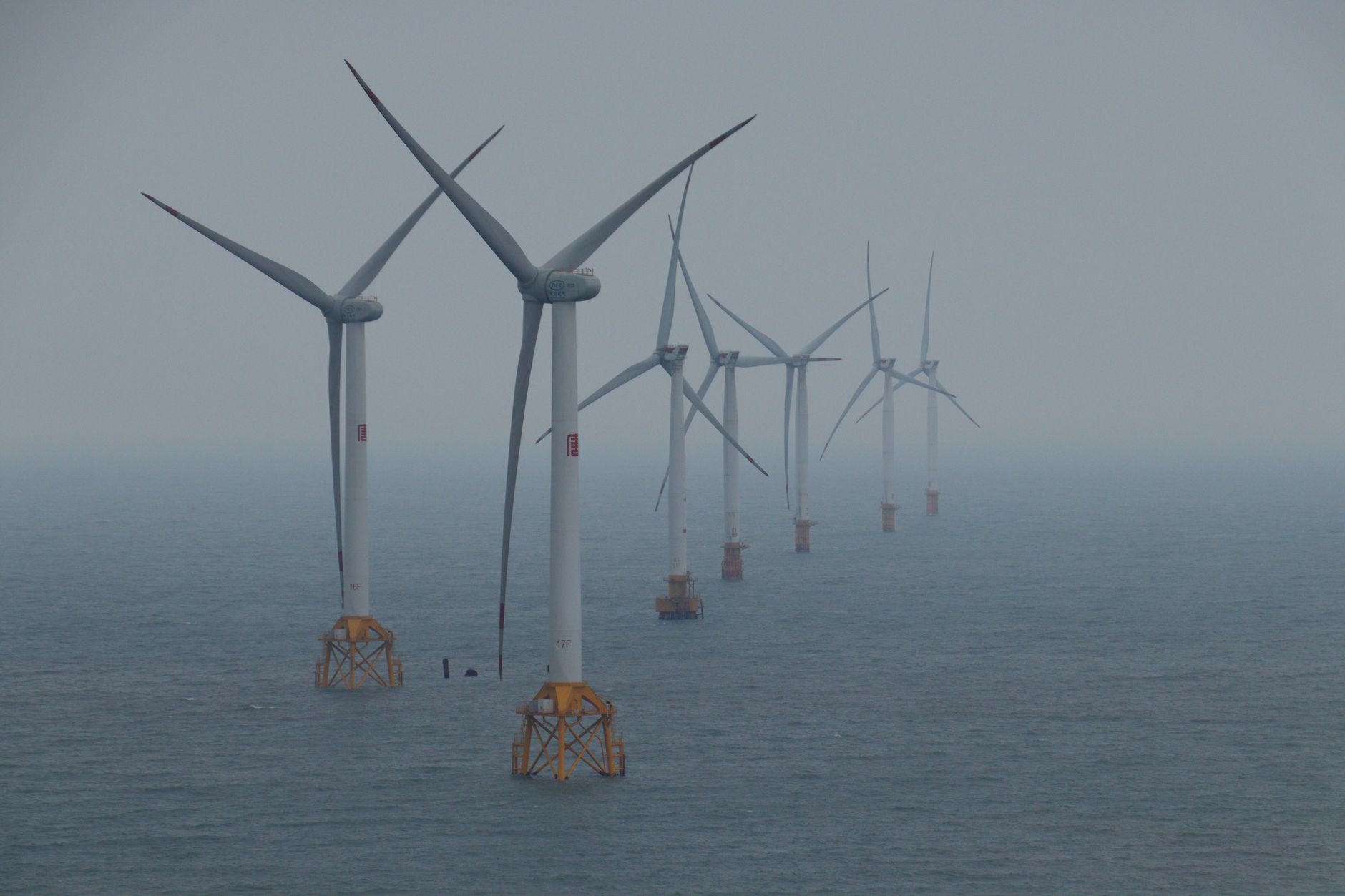
Foundation work stands as one of the unglamorous yet absolutely critical phases in offshore development. Vattenfall's completion of the Nordlicht I foundation installation marks the project past a major gating item—the substructures are now in place and ready to receive the turbines themselves. This phase requires precision in seabed preparation, anchor design validation, and structural verification before anything taller or heavier gets loaded onto the jacket or monopile.
The scale of modern offshore machines makes this groundwork non-negotiable. Today's generation of turbine blades extends beyond 115 meters in length, creating enormous cantilever loads that must be arrested by the foundation system. Every foundation design must account for these massive aerodynamic forces, combined with hydrodynamic loading from waves and current. Getting this infrastructure right the first time eliminates costly rework during the operational phase.
Moving Toward Turbine Integration
With foundations locked in place, the project transitions into the supply chain and logistics phase. Turbine components must be staged, offshore installation vessels must be secured, and weather windows must align—all non-trivial constraints in European waters. The sequence matters: foundations anchored, cables laid, substations installed, then finally the turbines themselves.
Vattenfall faces the familiar challenge of coordinating multiple work fronts. Parallel activities like inter-array cabling, offshore substation commissioning, and onshore grid connection prep all need to progress without creating bottlenecks. Foundation completion removes one variable from that puzzle.
Regulatory and Commercial Momentum
Finishing foundation installation sends a clear signal to grid operators, regulators, and investors. It demonstrates the project is operationally real—not a planning document or permit application, but steel and concrete in the seabed. This kind of tangible progress matters for confidence in European offshore expansion, especially in regions where permitting processes have been contentious or slow.
For Vattenfall and other developers, foundation completion also triggers phase transitions in project financing and insurance coverage. The risk profile shifts as construction moves into later stages. Lenders and underwriters typically view operational projects very differently than construction-phase assets, and clearing these milestones opens different capital cost structures.
Enjoyed this one?
Get the next MW Daily entry straight to your inbox.
mwdaily.energy — no spam, unsubscribe anytime