Vestas technology chief's verdict on Chinese wind turbines: 'Nothing to do with business cases'
Vestas technology leader dismisses Chinese wind turbine competition as disconnected from sound economics.
At a Glance
- Vestas technology chief questions the viability of Chinese wind turbine business models.
- Modern offshore blades now exceed 115 meters in length, creating substantial engineering and logistics challenges.
- Competitive pressure in wind manufacturing reflects differing approaches to technology and cost strategy.
- Scale and performance of current offshore platforms demand sophisticated design and manufacturing capabilities.
When Scale Meets Strategy
Vestas's technology leadership has offered a blunt assessment of competitive dynamics in global wind turbine manufacturing: Chinese players are pursuing paths that disconnect from conventional financial discipline. Rather than rehashing market-share rhetoric, this observation points to something more fundamental—divergent assumptions about what makes a sustainable turbine business.
The statement surfaces real tension in an industry where engineering capability, supply-chain resilience, and return-on-investment calculations no longer align neatly across geographies. When a technology officer from one of the field's largest OEMs frames the issue this way, they're signaling concern about long-term viability, not just pricing pressure.
The Engineering Reality
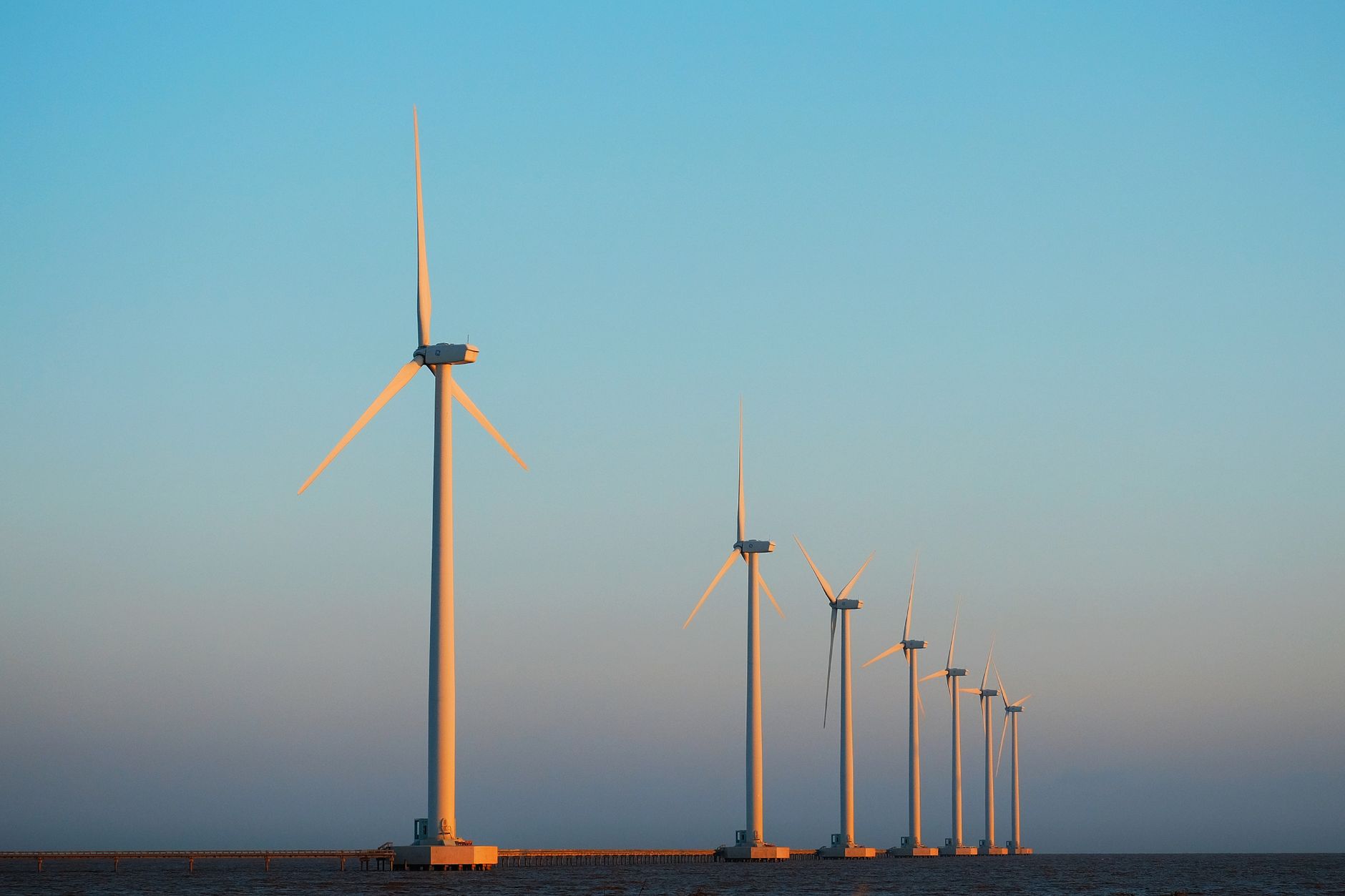
Underlying this commercial debate is the sheer complexity of modern machine design. Contemporary offshore turbine blades now routinely stretch beyond 115 meters—a scale that dwarfs conventional structural engineering and pushes material science, transportation, and installation logistics to their limits. At these dimensions, blade manufacturing becomes a constraint on production rate, and supply-chain stability becomes a competitive weapon.
Building and deploying equipment at this scale requires not just capital but proven systems integration capability. Missteps in blade fabrication, logistics coordination, or installation planning don't merely cost money—they crater project timelines and owner confidence. This is where engineering-led businesses differ markedly from those optimized solely for cost minimization.
The Business Model Question
When Vestas's technology chief sidelines "business cases" as irrelevant to Chinese competition, they're likely referring to scenarios where turbine sales are decoupled from traditional profit metrics—whether through state backing, internal cross-subsidization, or market-penetration strategies that prioritize volume over unit economics. Over time, such approaches create volatility in pricing and supply, forcing the broader industry to respond.
For wind professionals evaluating turbine selections or partnership strategies, this backdrop matters. A low-cost turbine that demands repeated warranty claims, extended commissioning periods, or supply disruption becomes expensive quickly. The tension between purchase price and total-cost-of-ownership only sharpens as machines grow more complex.
Looking Forward
The commentary underscores why engineering fundamentals—blade performance, drivetrain reliability, manufacturing consistency—remain the core differentiators. Competitive pressure is real and welcome. But the question of whether a business model can sustain itself through the full lifecycle of a turbine platform remains separate from any single transaction.
Enjoyed this one?
Get the next MW Daily entry straight to your inbox.
mwdaily.energy — no spam, unsubscribe anytime