CEO asks 'why should we invest' as TotalEnergies takes $900m German offshore wind hit
TotalEnergies faces significant losses on German offshore project, raising questions about investment strategy in European wind development.
At a Glance
- TotalEnergies absorbed a $900 million loss on a German offshore wind asset, prompting leadership to reassess investment rationale.
- The writedown underscores financial headwinds facing offshore projects in Europe, where costs and permitting challenges persist.
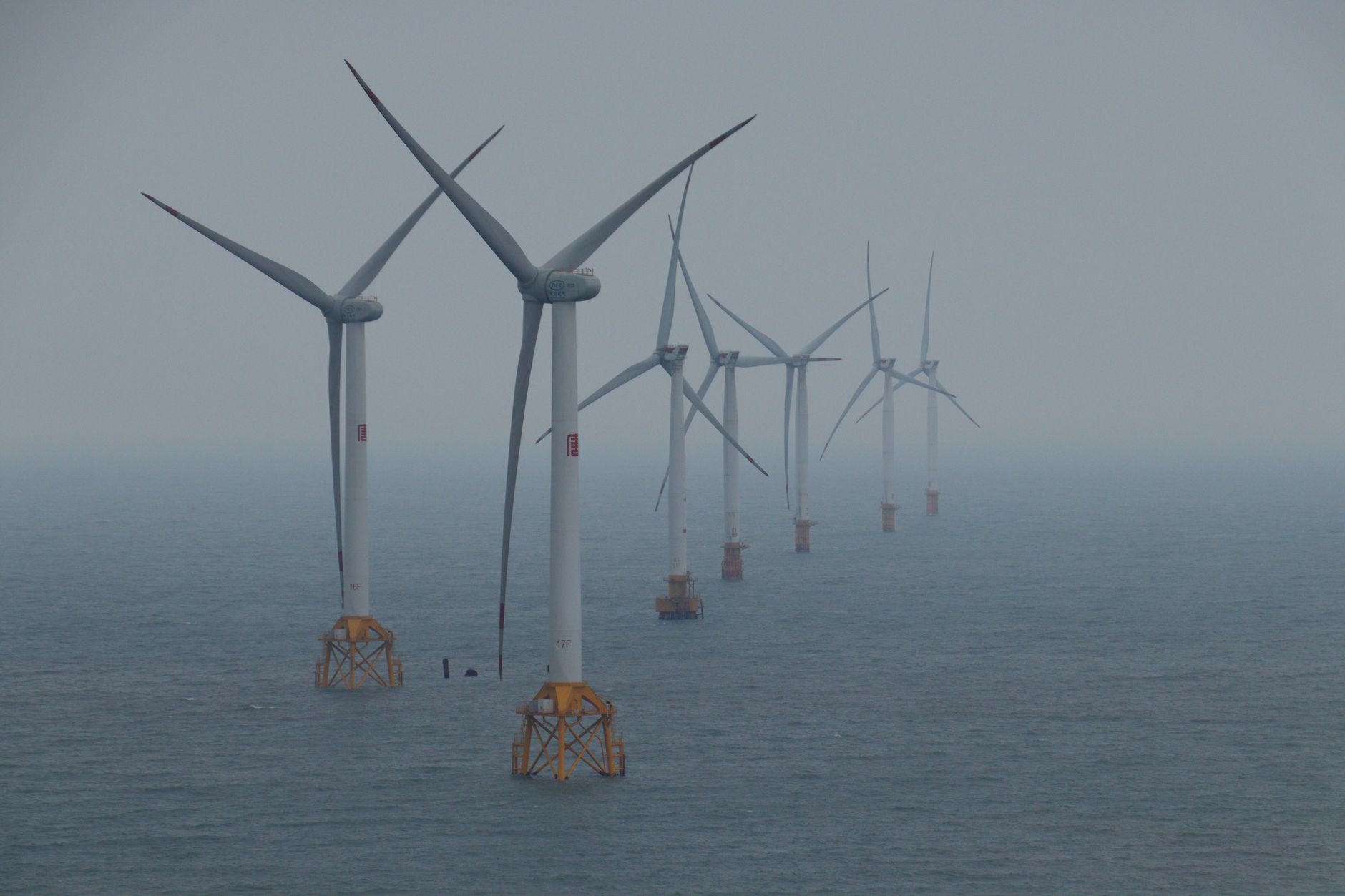
- Modern offshore turbine blades now exceed 115 meters, creating scale advantages but requiring massive capital deployment to realize returns.
- Project economics in mature European waters remain under pressure despite technological improvements in turbine capacity.
When Scale Doesn't Guarantee Returns
TotalEnergies' $900 million loss on its German offshore position represents more than a balance-sheet hit—it's a direct challenge to the investment thesis driving European offshore expansion. When a major energy company's leadership questions the fundamental rationale for continued capital commitment to a region, it signals that project returns aren't matching the risk profile companies are accepting.
German offshore wind presents particular challenges: permitting complexity, supply chain constraints, and grid connection delays have become endemic. Projects that looked viable at forecast pricing and timelines have faced execution realities that eroded margins. For investors accustomed to single-digit returns on regulated utility assets, the volatility offshore projects introduce becomes harder to justify, especially when alternative opportunities exist elsewhere.
The Turbine Paradox
Modern offshore turbine blades now exceed 115 meters—substantially larger than earlier generations—yet this technological progress alone hasn't resolved the underlying economics challenge. Bigger turbines mean higher capacity per installation, but they also demand proportionally larger supply chains, installation vessels, and foundation systems. A single blade failure or crane accident on equipment that scale can destroy project margins for a year. The capital intensity required to deploy these machines efficiently remains formidable, and cost escalation in German labor and materials has outpaced productivity gains from scale.
Strategic Recalibration Needed
The CEO's questioning of future investment signals a likely rebalancing away from mature European markets toward either lower-cost geographies, floating systems with development upside, or out of offshore entirely into land-based renewables and grid assets. This isn't unique to TotalEnergies—major developers across Europe are making similar calculus shifts.
For the sector, this pullback creates both risk and opportunity. Risk: if capital from major players dries up, permitting pipelines face delays and projects get shelved. Opportunity: smaller, specialized offshore developers may pick up assets at distressed valuations and operate them more efficiently than large integrated majors can.
The broader lesson is that technological improvement doesn't automatically improve project returns. German offshore wind demonstrated the limits of that assumption.
Enjoyed this one?
Get the next MW Daily entry straight to your inbox.
mwdaily.energy — no spam, unsubscribe anytime