Two floating wind projects win funding to test 18.5MW turbines
Two floating wind initiatives secure backing to deploy and validate 18.5MW turbines in deepwater environments.
At a Glance
- Two floating wind projects have received funding to test 18.5MW turbines.
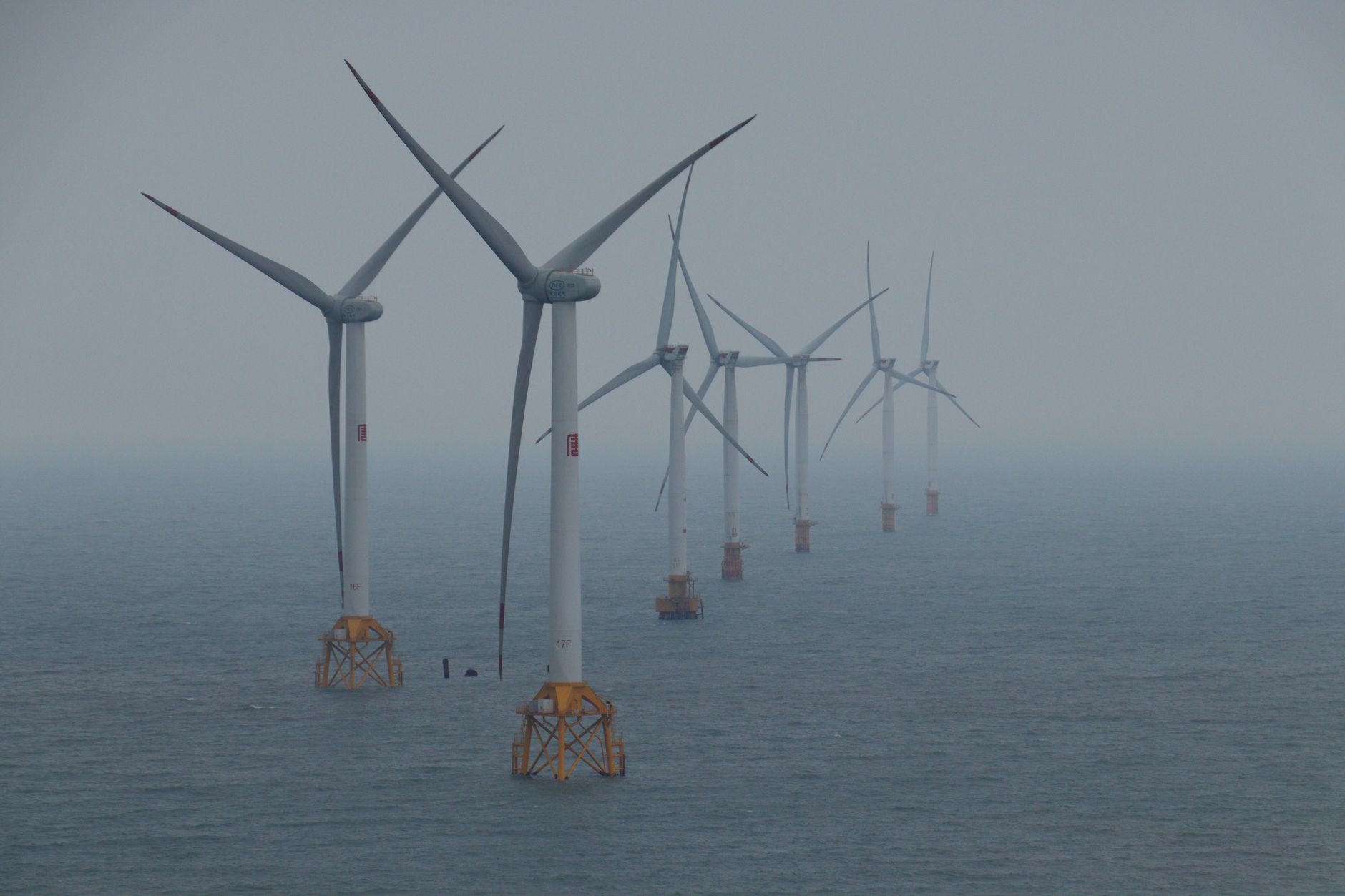
- Modern offshore turbine blades now exceed 115 meters in length — surpassing a football field.
- Floating platforms enable turbine deployment in deeper waters where fixed foundations become economically unfeasible.
- Testing larger floating systems at this scale validates supply chain and installation procedures for commercial deployment.
Scaling Up Floating Technology
Floating wind has long promised access to deeper, more consistent wind resources beyond the continental shelf. These two funded projects signal that the sector is moving from prototype demonstration into pre-commercial validation. The 18.5MW capacity represents a meaningful step forward — large enough to deliver production economics that matter, yet still manageable for initial field testing of floating platforms and their associated moorings and electrical infrastructure.
The Blade Length Challenge
As turbines grow more powerful, their rotors must expand proportionally to capture additional wind energy. Modern offshore blades already exceed 115 meters in length, creating logistical complexities in manufacturing, transport, and installation. Floating platforms actually simplify some aspects of this scaling — vessels can position and stabilize massive rotor assemblies at sea more flexibly than fixed-foundation cranes can. However, blade stress dynamics and fatigue analysis become more critical on floating structures, where platform motion couples directly into blade loading.
Testing Before Scaling
These validation projects serve a crucial gatekeeping function. Before floating wind becomes a standard commercial offering, developers need real operational data: how do 18.5MW machines perform in variable swell conditions? Do mooring and damping systems perform as modeled? Can technicians access and service equipment reliably at this scale? Early-stage testing reveals design gaps and drives supply-chain development — from specialized installation vessels to subsea terminations to high-voltage export cables rated for floating platforms.
Market Implications
Successful demonstration of larger floating turbines reinforces the path toward deepwater sites globally. Many promising offshore wind regions — offshore California, Norway, Japan, parts of the Mediterranean — sit in water depths where fixed installations become prohibitively expensive. Floating technology unlocks these geographies. However, moving from two test projects to commercial fleets requires solving cost reduction, supply chain maturity, and regulatory frameworks that are still emerging. These funded initiatives represent the engineering work that makes that transition possible.
Enjoyed this one?
Get the next MW Daily entry straight to your inbox.
mwdaily.energy — no spam, unsubscribe anytime