Equinor and Siemens Gamesa warned over safety breaches at world's largest floating wind farm
Equinor and Siemens Gamesa face safety citations at the massive floating wind installation, raising questions about operational protocols at scale.
At a Glance
- Equinor and Siemens Gamesa have been warned over safety breaches at the world's largest floating wind farm.
- Modern offshore turbine blades exceed 115 meters in length, creating unique logistical and maintenance challenges.
- Safety compliance at utility-scale floating installations demands rigorous protocols given the remote offshore environment.
- Breaches at flagship projects set precedent for how regulators will approach emerging offshore wind technologies.
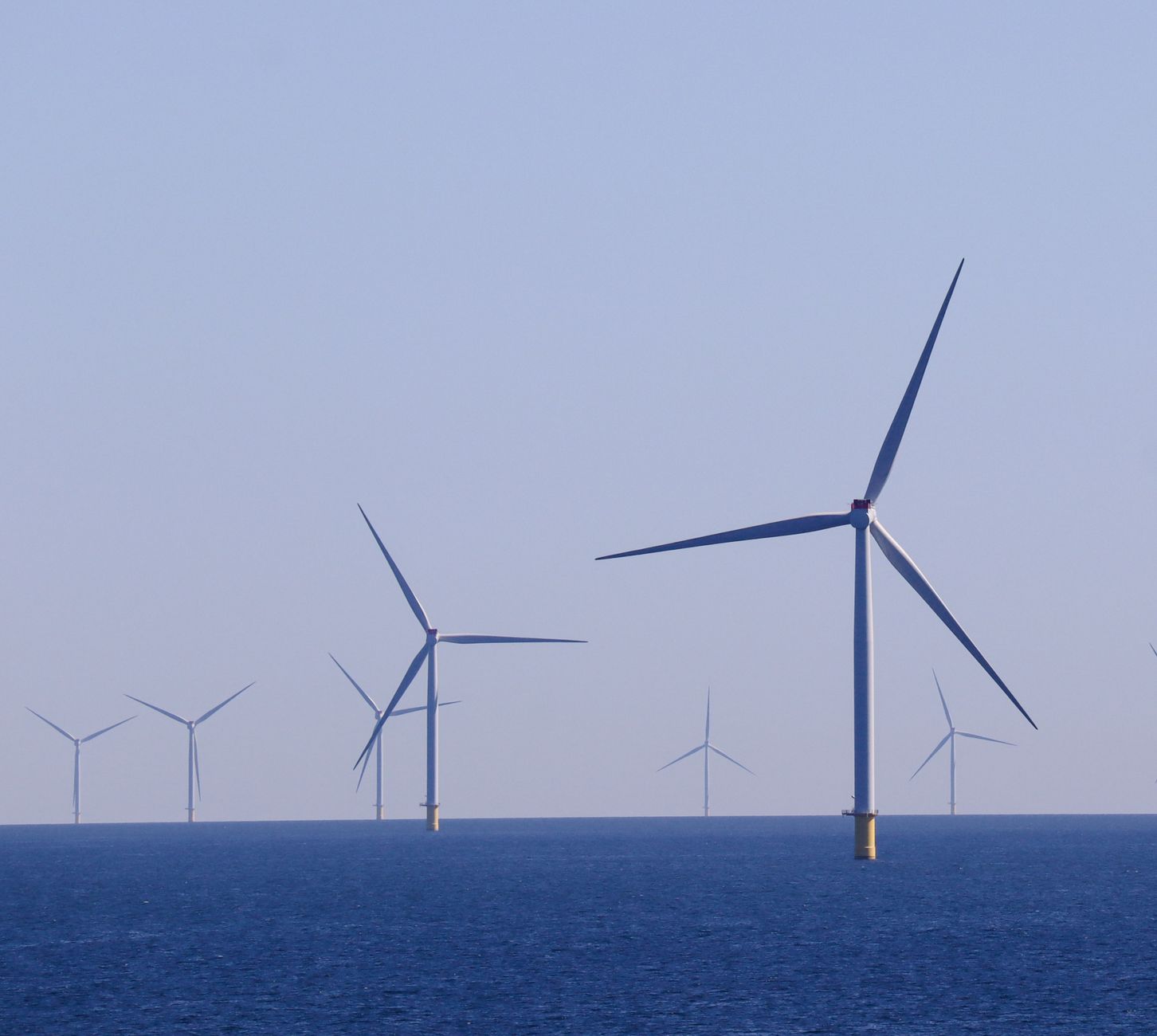
Scaling Brings New Safety Demands
Floating offshore wind remains one of the industry's most ambitious frontiers, but size and novelty don't exempt operators from safety rigor. When warnings arrive at a flagship installation—especially one recognized as the world's largest of its kind—the underlying issues demand attention beyond the specific site. Equinor and Siemens Gamesa's experience highlights how rapidly expanding capacity can outpace the maturation of operational best practices.
The combination of floating platforms, deepwater conditions, and modern turbine specifications creates a complex safety envelope. Modern offshore blades now exceed 115 meters in length—longer than a football field—which means maintenance, replacement, and emergency response procedures operate at scales the industry is still refining. Getting crews to and from work platforms, managing blade inspections, and executing repairs in open ocean requires execution precision that leaves little room for procedural gaps.
What Safety Breaches Signal
Warnings at this scale typically point to systemic issues rather than isolated lapses: inadequate training documentation, incomplete hazard assessments for novel configurations, or communication breakdowns between platform operators and turbine manufacturers. Floating platforms add a dynamic element—constant motion and shifting anchor loads—that fixed-foundation installations don't contend with. If safety protocols weren't designed explicitly for those conditions, standard procedures can create blind spots.
These citations arrive at a moment when the floating offshore sector is racing to demonstrate viability to investors and regulators. Early projects set the template for how future capacity will be permitted and financed. A warning at a high-profile installation doesn't necessarily indicate systemic failure across the technology, but it does signal that this phase of growth requires the same discipline applied to mature segments of the industry.
Industry Implications
For operators and manufacturers developing floating systems, the message is direct: scale and innovation don't reduce accountability. Regulators worldwide are watching how existing players respond to these findings. Documentation improvements, revised maintenance protocols, or enhanced crew training can typically address cited deficiencies, but the underlying lesson persists—floating offshore demands rigor that meets or exceeds traditional offshore standards, not shortcuts based on unproven assumptions about how these systems will behave in production.
The path forward requires close collaboration between operators, equipment suppliers, and safety oversight bodies to ensure that floating offshore wind grows responsibly.
Enjoyed this one?
Get the next MW Daily entry straight to your inbox.
mwdaily.energy — no spam, unsubscribe anytime