Germany offers oil giants offshore wind tender exit as minister bows to pressure
Germany backs off offshore wind requirements for oil majors, signaling shift in energy transition expectations.
At a Glance
- Germany's energy ministry is allowing oil companies an exit option from offshore wind tender obligations amid industry pushback.
- The policy reversal reflects mounting pressure from established fossil fuel firms on renewable energy requirements.
- Modern offshore turbine blades exceed 115 meters in length, making project development increasingly capital-intensive for participants.
Policy Flexibility Replaces Mandates
Germany's decision to permit oil majors an alternative path away from offshore wind commitments marks a notable retreat from earlier integration requirements. The concession comes as companies subject to these obligations have mounted sustained resistance, arguing the energy transition demands exceed their operational and financial readiness. Rather than force participation in auctions that producers characterized as incompatible with their business strategies, policymakers have chosen accommodation over enforcement.
This pivot raises questions about how seriously energy regulators are willing to push incumbents toward renewables when vocal opposition emerges. Where mandatory requirements once seemed the mechanism for ensuring fossil fuel operators contributed capital to offshore projects, discretionary opt-outs now create an escape valve.
Technical Realities Driving Cost Concerns
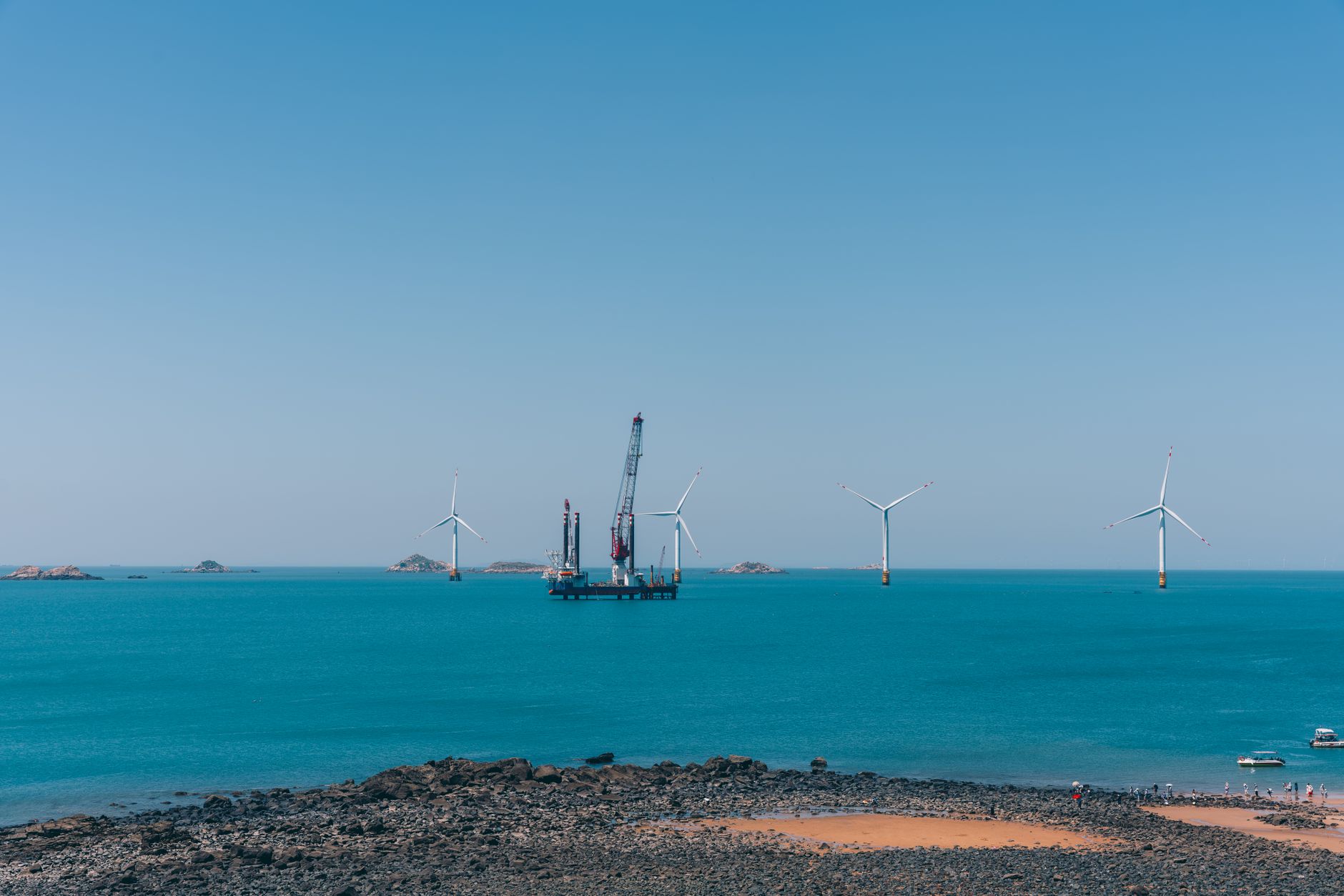
Oil companies' resistance isn't purely political theater. The economics of modern offshore wind—particularly blade dimensions exceeding 115 meters—create genuine barriers for firms without existing marine infrastructure or offshore expertise. Sourcing, transporting, and installing turbine components of this scale demands purpose-built vessels and specialized knowledge that oil operators may lack or find economically unattractive to acquire.
The scale mismatch between petroleum extraction platforms and contemporary wind installations is substantial. A single rotor blade now stretches longer than an American football field, creating logistics and engineering challenges that extend far beyond traditional hydrocarbon project experience.
Transition Uncertainty
The tender exit option may ease short-term tensions between government and industry, but it also signals uncertainty about how to integrate large, established energy firms into a carbon-constrained future. If mandatory participation proves unenforceable against determined resistance, policymakers face a credibility problem: do transition requirements mean anything when major players can negotiate exemptions?
Germany's offshore wind capacity additions depend partly on capital mobilization. Every company that exits tender obligations represents potential investment redirected elsewhere—or simply withheld. The real cost of this accommodation may appear only when deployment targets face delays and funding gaps emerge.
Enjoyed this one?
Get the next MW Daily entry straight to your inbox.
mwdaily.energy — no spam, unsubscribe anytime