Industry urges clean energy push after Jackdaw approval
Industry pushes for accelerated clean energy deployment following Jackdaw field approval, signaling momentum in offshore development.
At a Glance
- Industry groups are calling for expanded clean energy investment following recent project approvals.
- Offshore wind turbine blades now exceed 115 meters in length, enabling greater energy capture per unit.
- Approval processes and policy frameworks remain central to deployment pace in the sector.
- Momentum from recent decisions is being leveraged to push for broader energy transition commitments.
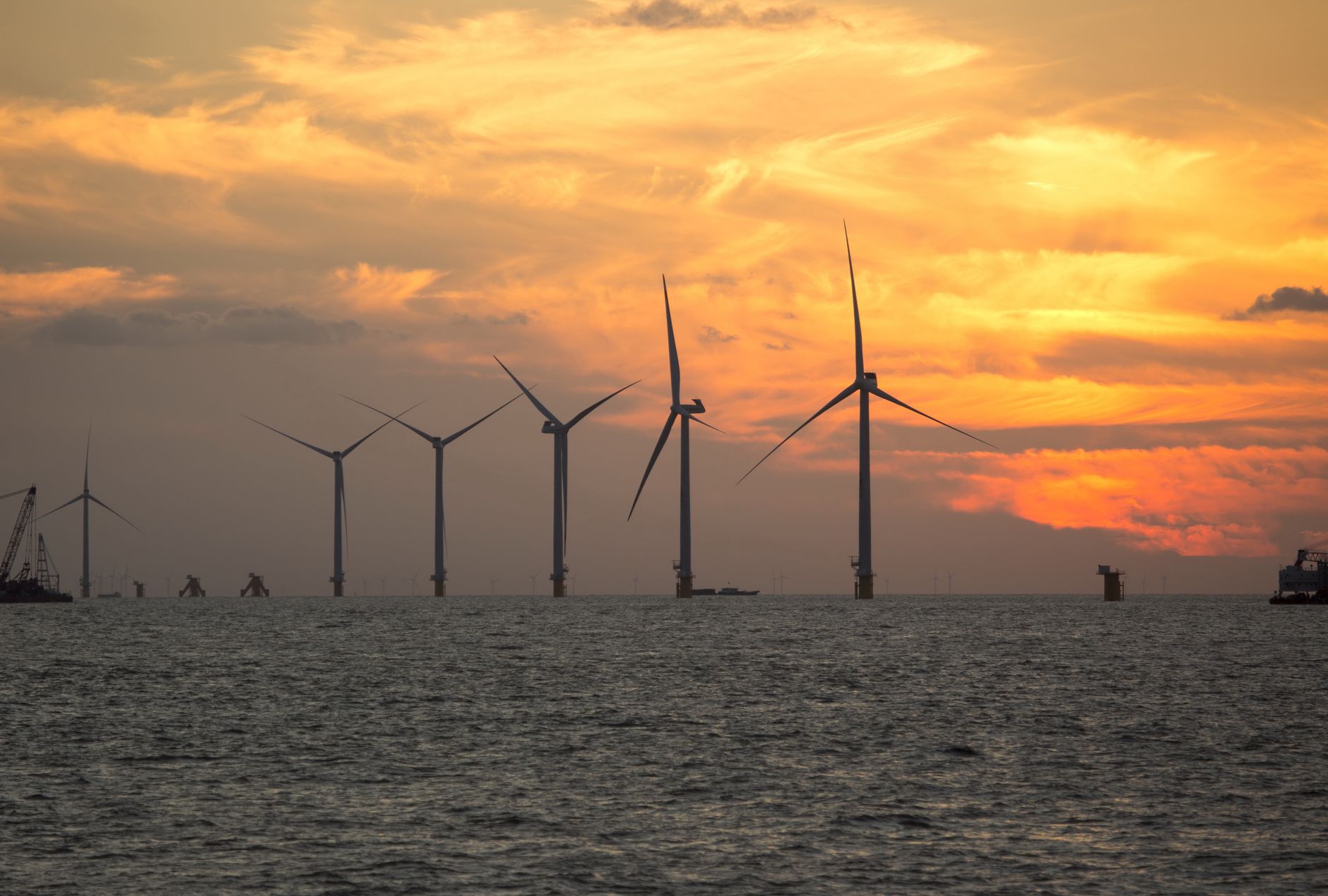
Seizing Regulatory Momentum
When a major offshore development gets the regulatory green light, it typically signals more than just one project moving forward—it suggests the broader system can function. Industry stakeholders are now using this opening to press policymakers for faster, more predictable pathways across the wider clean energy landscape. The argument is straightforward: if approvals can happen, why can't deployment schedules accelerate to match the urgency of energy demand and decarbonization targets?
The Scale Advantage
Modern offshore turbine blade designs have grown substantially, with contemporary units exceeding 115 meters in span. This scale increase translates directly to swept area and energy yield, meaning fewer foundations, cables, and installation vessels are needed per megawatt of capacity. The engineering argument for deployment is increasingly tied to efficiency gains at the platform level—bigger machines with longer operational lifespans reduce per-unit cost structures and support the economics that make large-scale rollout feasible.
Policy as the Real Bottleneck
The technical capability and economic justification for rapid expansion exist. What offshore developers consistently identify as the constraint is regulatory clarity and permitting velocity. Industry representatives use approval milestones to remind governments that the limiting factor rarely lies with engineering capacity or supply chain readiness. Instead, it centers on planning frameworks, environmental assessment timelines, and grid connection protocols.
The push following Jackdaw's approval reflects a familiar pattern: industry organizations see a successful project milestone as political cover to demand that policymakers remove administrative friction rather than technical barriers. Whether this translates into actual policy reform depends on how aggressively these groups coordinate messaging and whether political appetite exists to streamline processes that historically have been cautious by design.
Next Steps
For practitioners in the sector, the real value of these advocacy campaigns lies less in their immediate policy impact and more in what they signal about industry confidence. When organizations invest in public messaging around faster deployment, it typically indicates they've secured supply-side commitments or financing frameworks that depend on accelerated installation timelines. Watch for announcements around bid rounds and lease terms over the next quarters—those will reveal whether this push translates beyond rhetoric.
Enjoyed this one?
Get the next MW Daily entry straight to your inbox.
mwdaily.energy — no spam, unsubscribe anytime