Electricity 2026
IEA forecasts electricity demand and generation shifts through 2026, with offshore wind's scale playing a growing role in meeting expansion targets.
At a Glance
- IEA's Electricity 2026 report projects significant changes in global electricity generation patterns over the next few years.
- Offshore wind turbines now deploy blades exceeding 115 meters, enabling higher capacity factors and energy yield per unit.
- Grid modernization will be critical to absorbing increased renewable generation across interconnected systems.
- Forecasted growth in electricity demand intersects with accelerating deployment of large-scale offshore capacity.
Planning for a Shifting Grid
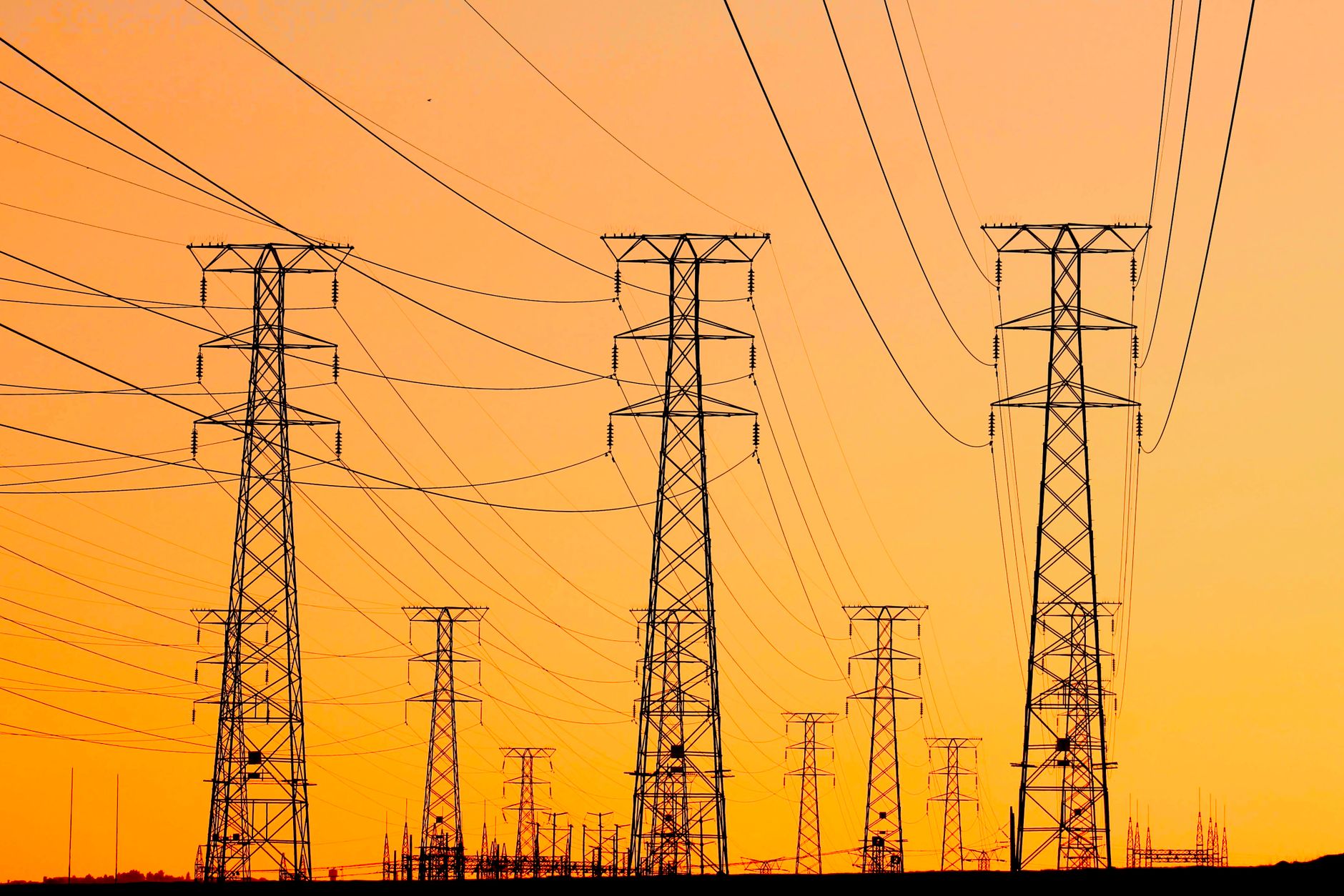
The IEA's Electricity 2026 outlook sets expectations for how global generation will evolve as investment priorities shift and renewable projects come online. Grid planners are already grappling with the operational realities that accompany this transition—particularly when it comes to integrating large offshore installations that are fundamentally different machines than their land-based cousins.
The Scale Advantage Offshore
Modern offshore turbine blades now exceed 115 meters in length, giving these units a geometric footprint that translates directly into higher energy capture across varying wind regimes. The physics is straightforward: longer blades sweep a larger rotor area, which means greater output at the same wind speed and improved performance during lower-wind periods. For grid planners relying on IEA forecasts to understand future generation mixes, this scaling matters because it changes what's economically viable in different geographic zones and what baseline capacity can realistically be expected from individual projects.
Grid Readiness Questions
The capacity additions forecasted in the IEA analysis don't materialize in a vacuum. Transmission infrastructure, dynamic stability, and voltage regulation all depend on how these large turbines are dispersed and connected. Offshore installations, often located at considerable distances from load centers, present distinct integration challenges compared to utility-scale land resources. Cable losses, reactive power management, and the need for enhanced forecasting become operational necessities rather than nice-to-haves.
Utility operators and independent system operators have been signaling for months that grid modernization must accelerate in parallel with generation deployment. The IEA's forward-looking analysis implicitly reflects this reality: demand growth and generation transition occur simultaneously, leaving no grace period for infrastructure upgrades that should already be underway.
What This Means for Development
Projects being permitted and financed today will operate within the grid conditions the IEA is projecting. That means developers, financiers, and grid operators all benefit from clarity about expected generation patterns, but only if they're actually incorporating offshore's technical characteristics into their planning assumptions. The scale of modern blades is no longer a footnote in specification sheets—it's a defining parameter for what these systems will produce and how they'll integrate into the networks that depend on them.
Enjoyed this one?
Get the next MW Daily entry straight to your inbox.
mwdaily.energy — no spam, unsubscribe anytime