Home WindEurope - the voice of the wind energy industry
WindEurope positioning itself as the authoritative voice shaping policy and market direction for the continent's wind sector.
At a Glance
- WindEurope serves as the primary industry voice for wind energy across Europe.
- Modern offshore turbine blades now exceed 115 meters in length, requiring specialized infrastructure.
- Industry representation shapes regulatory frameworks and market conditions for deployment.
The Role of Industry Representation in Scaling Wind
WindEurope's positioning as the central voice for the wind sector reflects a maturing industry that has moved beyond startup advocacy into infrastructure-scale policy influence. When trade associations claim primary voice status in their space, they're signaling not just membership reach but also the complexity of coordinating between developers, suppliers, grid operators, and regulators across multiple national contexts. That coordination function becomes critical as technology scale increases.
Engineering Realities Driving Advocacy Needs
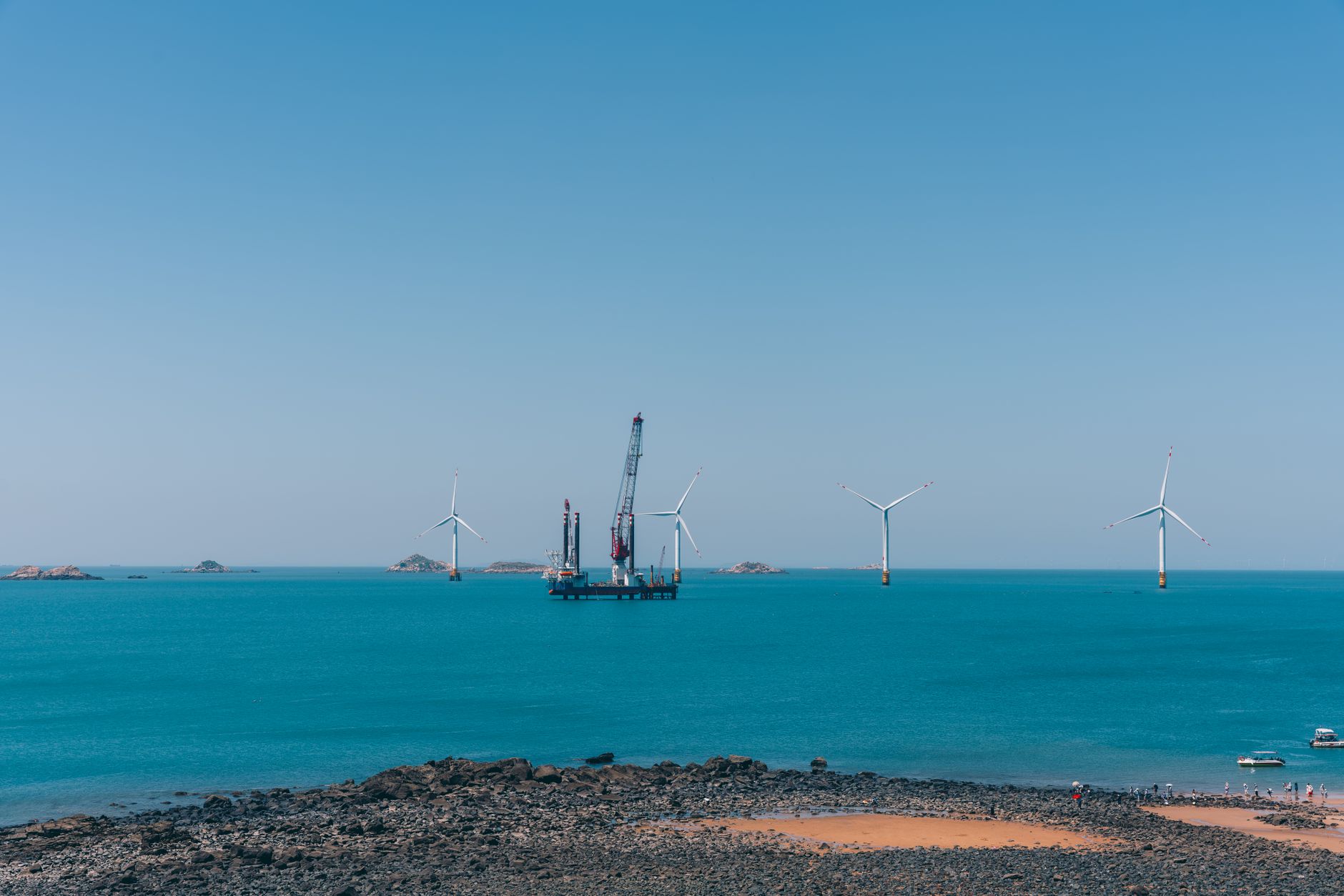
Modern offshore turbine blades now exceed 115 meters—a scale that reshapes every aspect of project delivery. Logistics networks, foundation designs, installation vessels, and grid interconnection requirements all shift when you're handling components longer than a football field. This engineering reality means that policy frameworks written for smaller machines become technical bottlenecks. Turbine manufacturers, shipping providers, and port operators all face different regulatory and permitting timelines that need coordinated navigation. WindEurope's role includes helping members communicate these technical realities to policymakers who may not grasp how blade length drives requirements for offshore installation capacity or port infrastructure upgrades.
Policy Translation as Technical Service
When an industry body claims voice authority, it's partly about aggregating member interests into coherent policy positions, but it's also about translating engineering constraints into regulatory language. Permitting timelines, grid connection procedures, and supply chain coordination all require alignment between what turbines can actually do and what regulations allow them to do. A single developer might spend eighteen months navigating permitting while their equipment sits in fabrication yards—an efficiency loss that makes the industry less competitive against other generation types.
Market Maturity and Institutional Structure
Europe's wind sector has matured enough that fragmented, company-by-company engagement with regulators became inefficient. A coordinated industry voice can accelerate deployment by reducing redundant permitting cycles, standardizing grid connection requirements, and building regulatory predictability. That's not about lobbying for favors—it's about reducing friction in systems that haven't yet scaled to match the engineering complexity of modern turbines.
Enjoyed this one?
Get the next MW Daily entry straight to your inbox.
mwdaily.energy — no spam, unsubscribe anytime