ERM to support 368MW Welsh wind project
ERM backs 368MW Welsh wind development as onshore market shifts toward larger, more efficient turbine platforms.
At a Glance
- ERM is providing support services for a 368MW wind project in Wales.
- Modern wind turbine blades now exceed 115 meters in length, enabling higher capacity and efficiency.
- Larger turbine platforms are reshaping how onshore projects approach resource assessment and grid integration.
- Environmental review and technical feasibility work remain critical for projects scaling to this capacity.
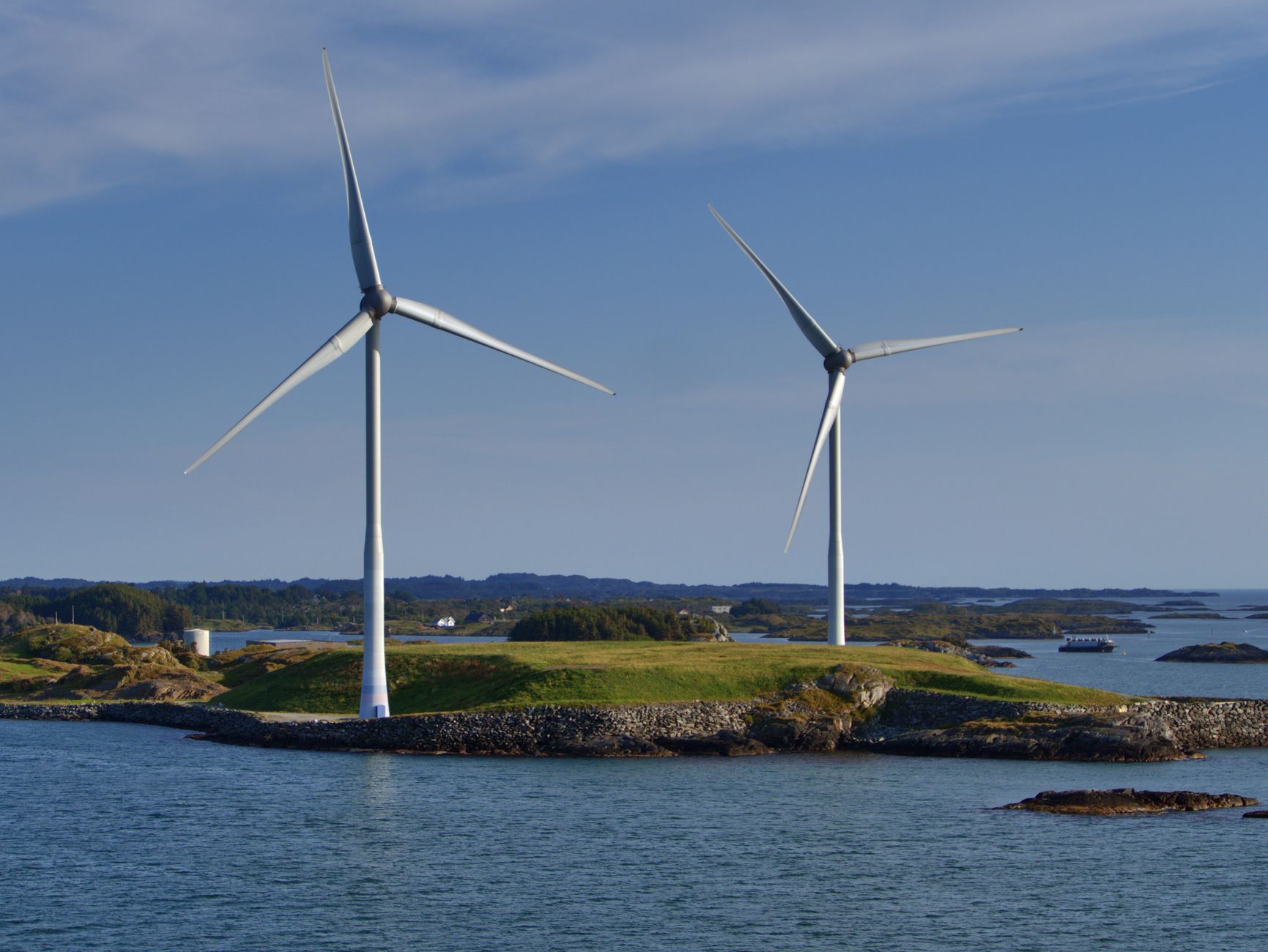
Scaling Up Welsh Generation Capacity
Environmental Resources Management's involvement in the 368MW Welsh project underscores the complexity of bringing utility-scale onshore wind to full development. At this capacity level, projects demand rigorous environmental assessment, grid connectivity analysis, and stakeholder engagement—precisely the services ERM specializes in. For Welsh wind development specifically, these support roles help navigate both technical requirements and the regulatory framework that governs land-based installations across the region.
The Turbine Evolution and Its Implications
The steady growth in turbine hardware reflects a fundamental shift in onshore economics. Modern wind turbine blades now exceed 115 meters in length—substantially longer than a football field—enabling individual machines to capture more wind energy and operate efficiently across variable terrain. This scaling trend means fewer installations are needed to reach target capacity, reducing both the number of planning approvals required and the infrastructure footprint. For a 368MW project, this represents a deliberate engineering choice to maximize energy capture while managing land use and community impact.
Grid and Resource Realities
Larger turbines don't simply mean more energy per unit—they also shift the technical conversation around grid integration, foundation requirements, and blade logistics. ERM's role likely encompasses wind resource modeling, environmental impact screening, and grid stability assessments. These tasks become more nuanced as individual turbine outputs climb; connection strategies, substation upgrades, and transmission protocols all require different handling than smaller projects. The Welsh project sits within a broader market where onshore developers are consolidating sites to meet decarbonization targets while managing the physical and regulatory constraints of land availability.
Looking Ahead
With blade lengths and turbine capacities continuing to rise, the next generation of onshore projects will look structurally different from installations built even five years ago. Projects like the Welsh venture benefit from consultancy firms that understand both the hardware trends and the permitting landscape. ERM's support signals that serious development work is underway—a confirmation that Welsh wind remains an active frontier for clean energy expansion in the UK market.
Enjoyed this one?
Get the next MW Daily entry straight to your inbox.
mwdaily.energy — no spam, unsubscribe anytime