Germany rethinks offshore wind layout to cut costly wake effects
Germany revisits offshore wind farm design to reduce wake losses and boost energy yield
At a Glance
- Germany is reconsidering how offshore wind farms are physically arranged to mitigate wake losses.
- Wake effects—where downstream turbines lose efficiency in the wind shadow of upstream units—represent significant energy and revenue loss.
- Modern offshore turbine blades exceed 115 meters, making spacing decisions crucial to minimizing aerodynamic interference.
- Farm layout optimization is a key lever for improving returns on increasingly expensive offshore installations.
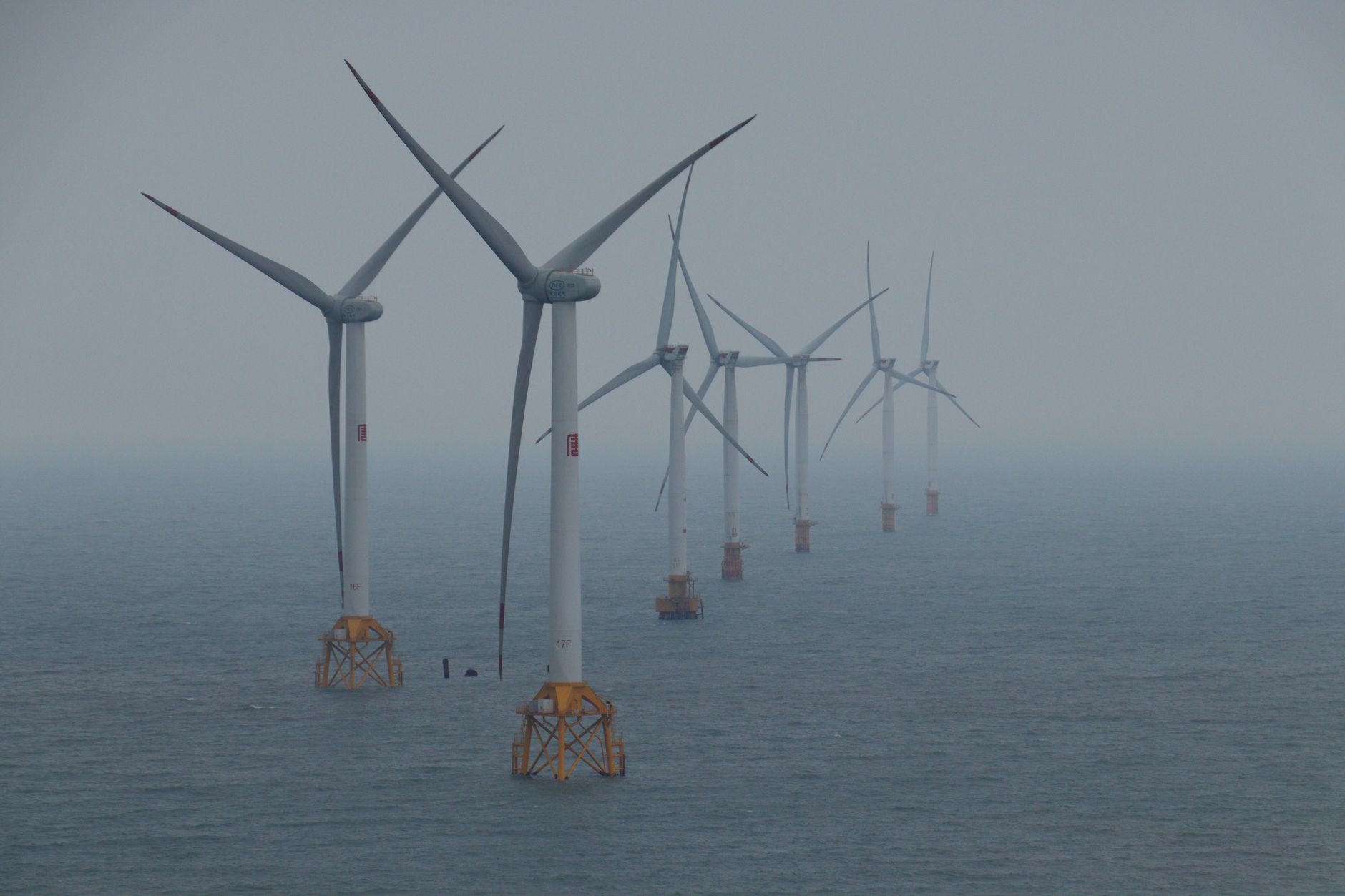
The Wake Problem Gets Harder at Scale
As offshore wind turbines grow larger and more expensive, the aerodynamic interference between units becomes less of a design detail and more of a financial liability. Germany's reconsideration of farm layouts reflects a straightforward engineering reality: when you space turbines too tightly, the downwind machines operate in degraded wind conditions, shedding productivity across the entire array. The cumulative effect erodes project economics.
With modern offshore blades now exceeding 115 meters in length, the rotor diameter has grown so large that traditional spacing rules developed for smaller machines may no longer be optimal. Designers must balance competing pressures—tighter spacing reduces cable runs and foundation costs, but looser spacing preserves wind resource and boosts energy capture. The math has shifted.
Layout as an Economic Lever
Germany's pivot toward rethinking arrangement schemes suggests a maturing approach to offshore development. Rather than treating layout as a secondary consideration, developers and grid planners are now treating it as a primary optimization variable. This is partly driven by the sheer capital intensity of offshore work: larger turbines mean higher per-unit costs, which makes wake losses harder to absorb.
The approach can include non-uniform spacing, where turbines are positioned asymmetrically relative to prevailing wind directions, or staggered arrays that reduce direct wind shadowing. Advanced modeling and wake steering control systems have also matured enough to inform these decisions.
Implications for Cost and Permitting
Rethinking layouts may require revisiting environmental assessments and grid connection studies for projects already in planning or development phases. It could extend timelines, but the yield improvement often justifies the engineering work. For projects yet to be formally licensed, baking in optimized spacing from the start eliminates rework.
The broader signal is clear: offshore wind developers can no longer rely on generic spacing heuristics. Each site's wind resource, bathymetry, and grid constraints demand site-specific layout analysis. In an environment where financing hinges on accurate energy predictions, that level of rigor is becoming table stakes rather than a premium service.
Enjoyed this one?
Get the next MW Daily entry straight to your inbox.
mwdaily.energy — no spam, unsubscribe anytime