Expanding Power Trade in ASEAN
ASEAN nations look to boost cross-border power commerce as interconnected grids reshape regional energy strategy.
At a Glance
- ASEAN is pursuing expanded power trade across member nations through grid interconnection.
- Modern offshore turbine blades now exceed 115 meters in length, enabling larger-scale marine generation.
- Cross-border electricity markets require synchronized grid management and standardized technical protocols.
- Regional power trade can lower costs and improve reliability by balancing variable renewable generation.
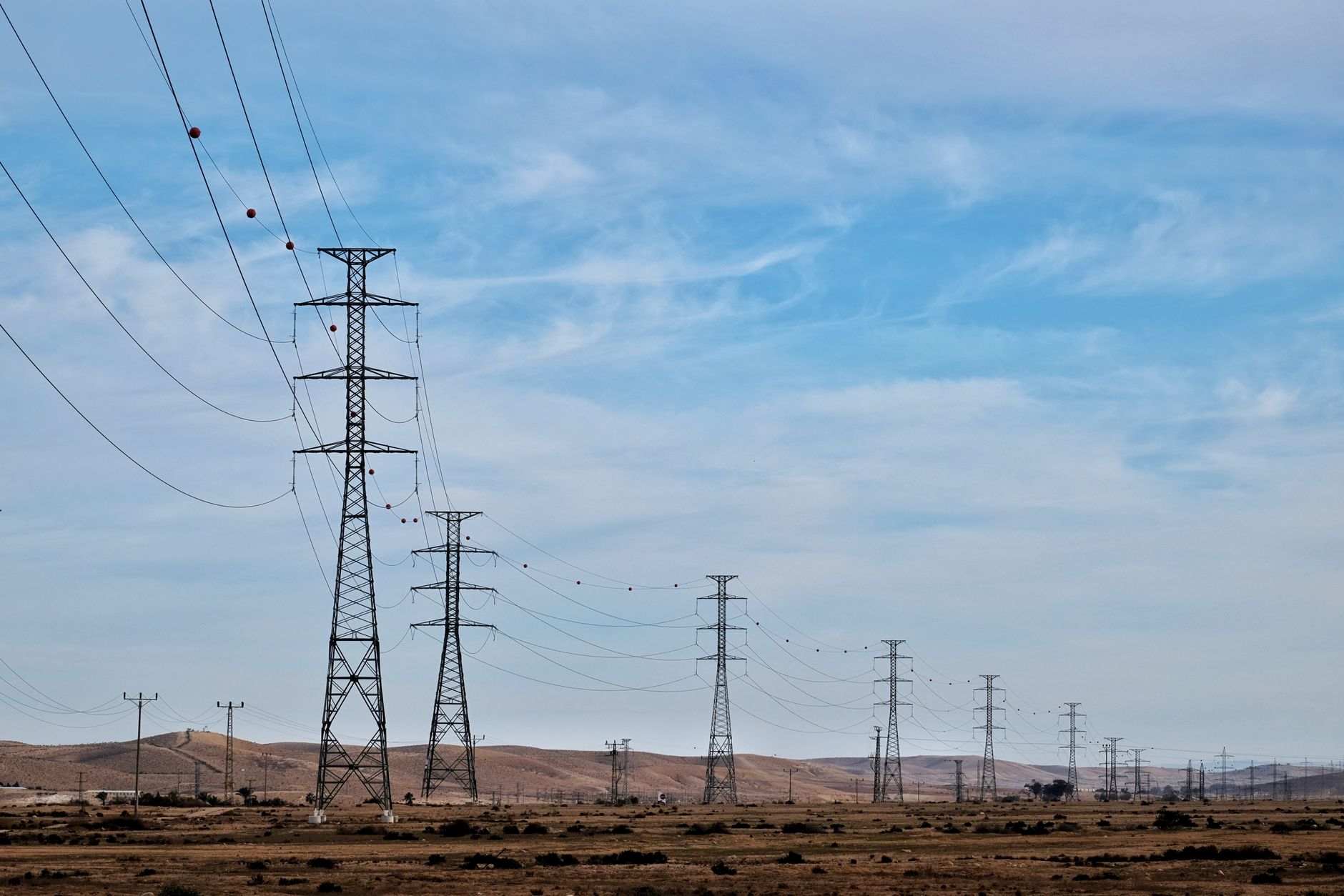
The Case for Regional Power Markets
ASEAN's push to grow electricity trade among member states reflects a fundamental shift in how Southeast Asia thinks about energy infrastructure. Rather than building generation capacity in isolation, countries are recognizing that interconnected grids allow them to move power where demand peaks, balance seasonal variations, and manage the inherent unpredictability of renewable sources. This approach mirrors mature markets in Europe and North America, where transmission networks tie producers and consumers across political borders.
The technical prerequisites are substantial. Synchronizing AC systems across different voltage standards, establishing market protocols, and building redundancy into high-capacity transmission lines all demand precision engineering. When offshore wind becomes part of the mix—with modern blades exceeding 115 meters in span—the scale of generation capacity available to trade grows significantly. Larger machines mean fewer units needed to serve regional demand, which simplifies grid management in some respects while adding complexity in others.
Renewable Integration as a Driver
Power trade becomes especially valuable when variable resources dominate the generation fleet. A nation with strong wind or solar resources during a given hour can export surplus capacity to neighbors facing lower wind speeds or cloud cover. This geographic and temporal diversity smooths the aggregate output profile seen by the grid operator. Without interconnections, each country must maintain expensive reserve margins or rely on rapidly-ramping thermal plants. With regional trade, those costs and emissions can be distributed more efficiently across the bloc.
Implementation Challenges Ahead
Expanding ASEAN trade will require more than physical transmission lines. Grid operators must agree on voltage and frequency standards, establish real-time communication protocols, and coordinate maintenance schedules. Pricing mechanisms need to reflect both the cost of power and the value of transmission capacity. Regulatory frameworks must allow capital to flow to highest-need projects regardless of which nation owns the infrastructure.
The offshore wind capacity being built—with turbines of unprecedented scale—will only intensify pressure to get these coordination mechanisms right. A 115-meter blade represents not just engineering ambition, but a commitment to generation density that demands a corresponding evolution in grid intelligence and regional governance.
Enjoyed this one?
Get the next MW Daily entry straight to your inbox.
mwdaily.energy — no spam, unsubscribe anytime