GWEC Floating Wind Initiative Sets Out Industry Plan for Accelerating Commercial-Scale Projects
GWEC charts roadmap to speed up floating wind deployment as blade lengths and offshore challenges grow
At a Glance
- GWEC's floating wind initiative outlines a structured plan to accelerate commercial-scale project development
- Floating wind technology enables deployment in deeper waters where fixed foundations become economically infeasible
- Modern offshore turbine blades now exceed 115 meters in length, requiring specialized installation logistics and vessel capabilities
- Industry coordination on permitting, supply chain, and workforce development is central to scaling floating platforms
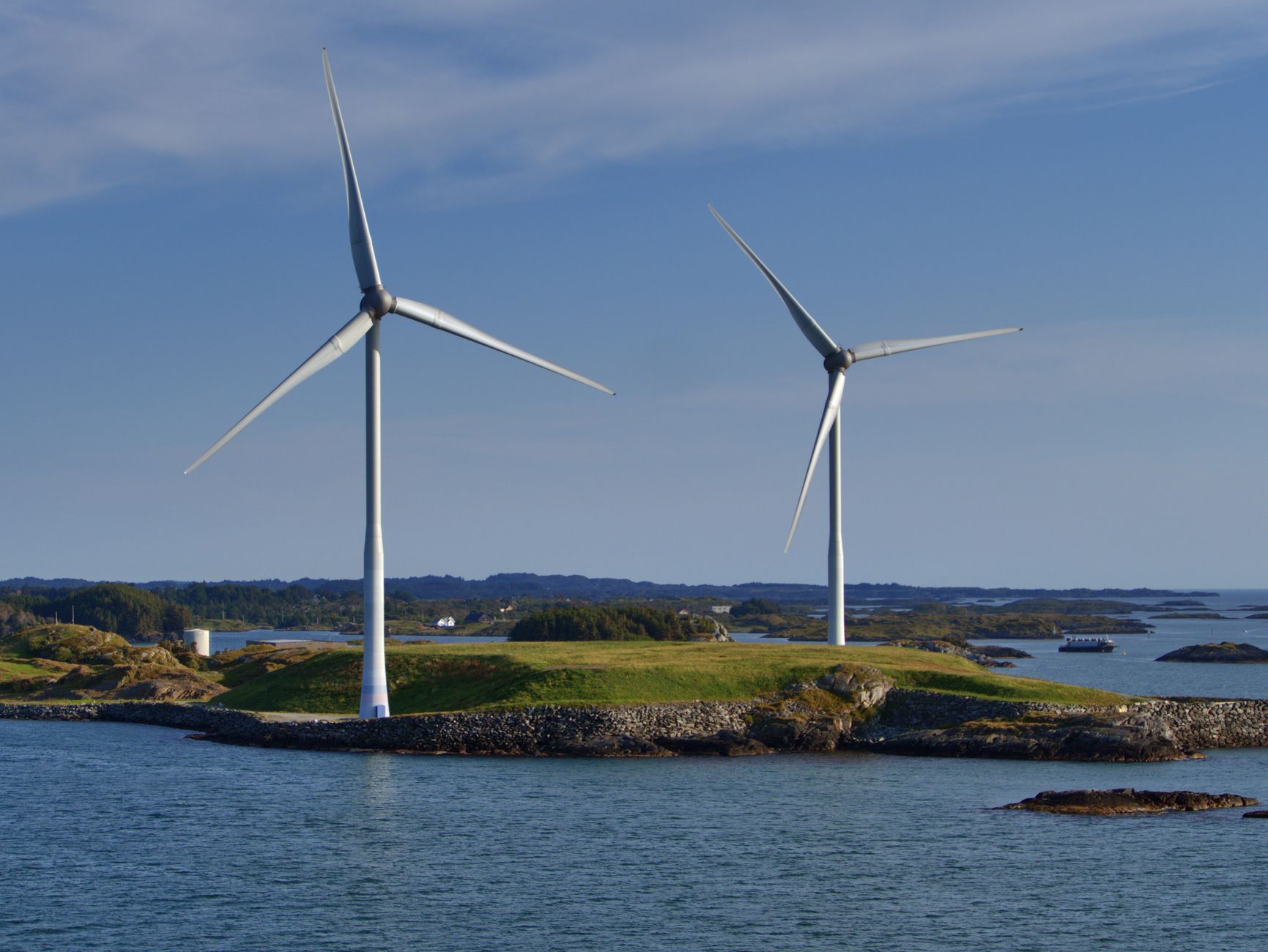
Floating Wind Reaches Critical Mass
The Global Wind Energy Council's floating wind initiative represents the sector's formal acknowledgment that this technology has matured beyond pilot projects. By establishing a coordinated industry plan, GWEC is essentially declaring that commercial-scale deployment is no longer a question of engineering feasibility—it's now an execution and infrastructure challenge. The roadmap addresses supply chain constraints, permitting timelines, and workforce qualification that have historically gated faster scaling.
The Blade-Installation Problem
One often-underestimated constraint is the sheer physical scale of modern machines. Contemporary offshore turbine blades routinely exceed 115 meters in length—longer than a football field—which creates substantial logistics headaches for installation, transportation, and marine operations. These dimensions demand specialized heavy-lift vessels and port facilities that don't exist in all markets. Floating foundations actually improve site accessibility by reaching deeper waters, but they compound the installation challenge by requiring dynamic positioning and precise choreography between the floating platform and construction vessel. Without coordinated planning across vessel availability, port infrastructure, and blade manufacturing capacity, individual projects will continue running into critical path delays.
Permitting and Grid Integration
Floating wind's other major bottleneck is administrative rather than technical. Permitting timelines for offshore sites often stretch across multiple jurisdictions and environmental assessments. GWEC's structured approach likely includes standardized environmental protocols and faster-track approval processes. Grid integration presents a secondary but equally real challenge—floating platforms must meet the same reliability and frequency-response standards as fixed offshore installations while operating in dynamic sea states that require sophisticated control systems.
Building the Foundation Now
What makes this initiative valuable isn't revolutionary technology; it's the coordination signal. By establishing an industry-wide roadmap, GWEC creates accountability and visibility into resource constraints. Manufacturers can plan blade and platform production. Vessel operators can contract appropriate equipment. Education programs can begin training installers and technicians. Permitting agencies can align expectations with realistic timelines. None of this happens at scale without explicit industry consensus about where the real bottlenecks sit and how to solve them systematically rather than project-by-project.
Enjoyed this one?
Get the next MW Daily entry straight to your inbox.
mwdaily.energy — no spam, unsubscribe anytime