Major Chinese wind supplier planning factories on five continents
Chinese wind manufacturer maps aggressive global manufacturing footprint across multiple continents
At a Glance
- Major Chinese wind supplier is establishing manufacturing facilities across five continents
- Global factory network signals shift from export-only model to localized production strategy
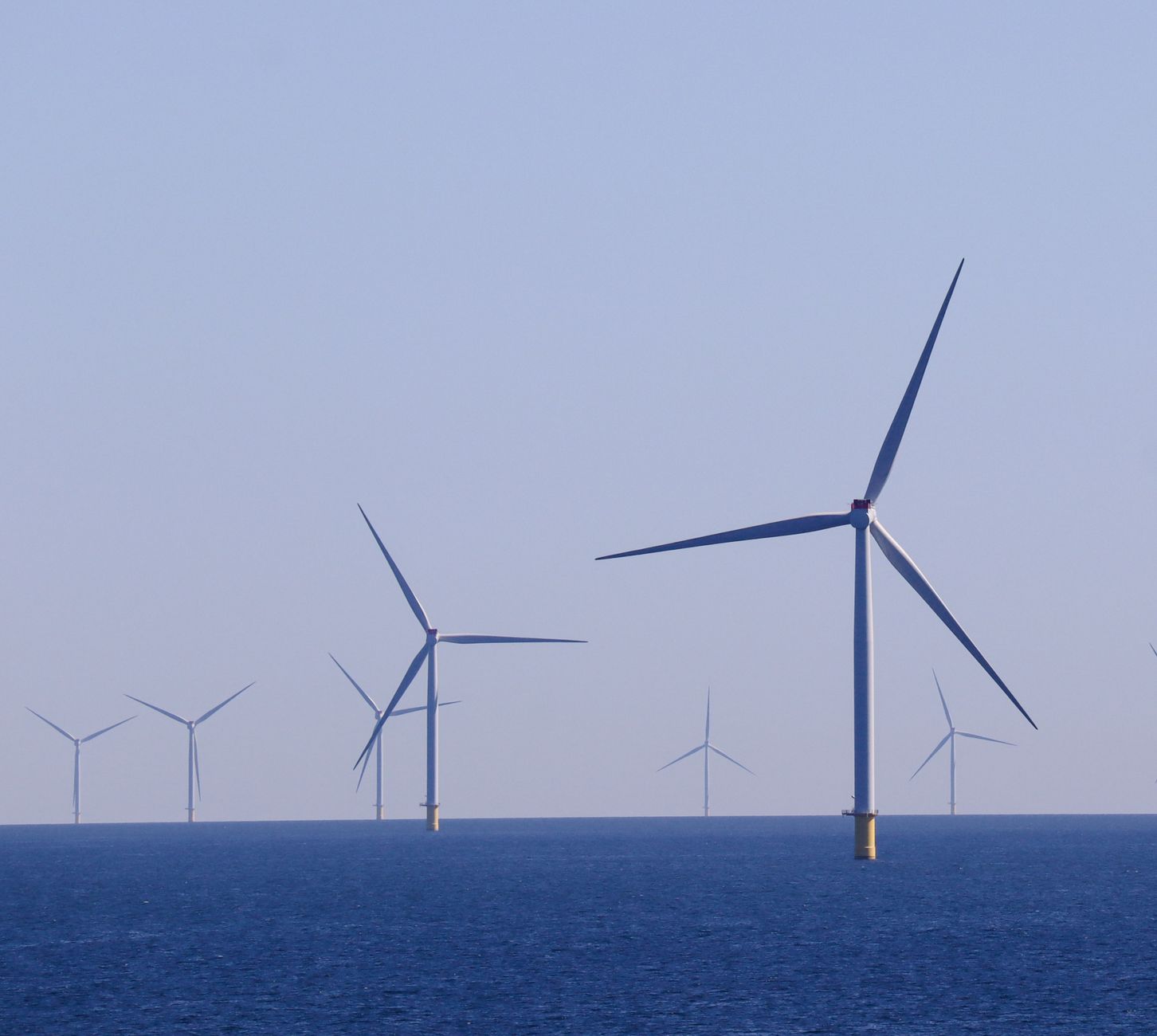
- Modern offshore turbine blades exceed 115 meters in length, requiring specialized manufacturing infrastructure
- Distributed production approach addresses tariffs, logistics costs, and regional content requirements
Manufacturing Goes Global
A leading Chinese wind turbine manufacturer is executing an expansionist strategy that moves beyond the traditional export model. Planning factory sites across five continents represents a significant commitment to embedding production capacity where wind projects are actually being developed and deployed. This geographic diversification addresses structural market pressures that have reshaped how equipment suppliers compete internationally.
The Logic Behind Location
Localizing production cuts through tariff barriers that have made Chinese exports less attractive in key markets. It also shortens supply chains for heavy components — a practical necessity given the scale of modern systems. Today's offshore turbine blades stretch beyond 115 meters in length, requiring specialized facilities just to manufacture, transport, and stage them for installation. Building regional factories near project clusters reduces the logistical complexity and cost of moving equipment that's fundamentally difficult to move. Moreover, many markets now impose local content requirements as conditions for grid connection or permitting, making distributed production an operational requirement as much as a strategic choice.
Market Implications
This move signals confidence in sustained global wind deployment despite current market volatility. It also represents a shift in competitive dynamics — Chinese suppliers have historically competed on cost, but establishing local manufacturing changes the value proposition. Regional facilities can customize products for local conditions, support local supply chains, and build relationships with developers and grid operators on the ground. The strategy also hedges geopolitical risk by reducing dependence on single-source exports during an era of rising protectionism.
What This Means for the Sector
When major suppliers invest in multi-continent infrastructure, it typically signals they expect sustained growth in those regions. The commitment of capital and organizational attention is substantial. Competitors will face pressure to match this geographic reach or risk losing market access in regions that increasingly prefer local suppliers. For developers, this expansion could eventually mean shorter lead times and potentially better service support, though competitive pricing benefits remain to be seen as manufacturing overhead increases.
Enjoyed this one?
Get the next MW Daily entry straight to your inbox.
mwdaily.energy — no spam, unsubscribe anytime