Encavis signs first hybrid PPA in Spain
Encavis secures Spain's first hybrid power purchase agreement, marking a shift toward bundled renewable capacity contracts.
At a Glance
- Encavis has signed Spain's inaugural hybrid power purchase agreement.
- Hybrid PPAs combine multiple renewable technologies under a single contract structure.
- Bundled renewable projects improve capacity factors and grid reliability compared to single-technology installations.
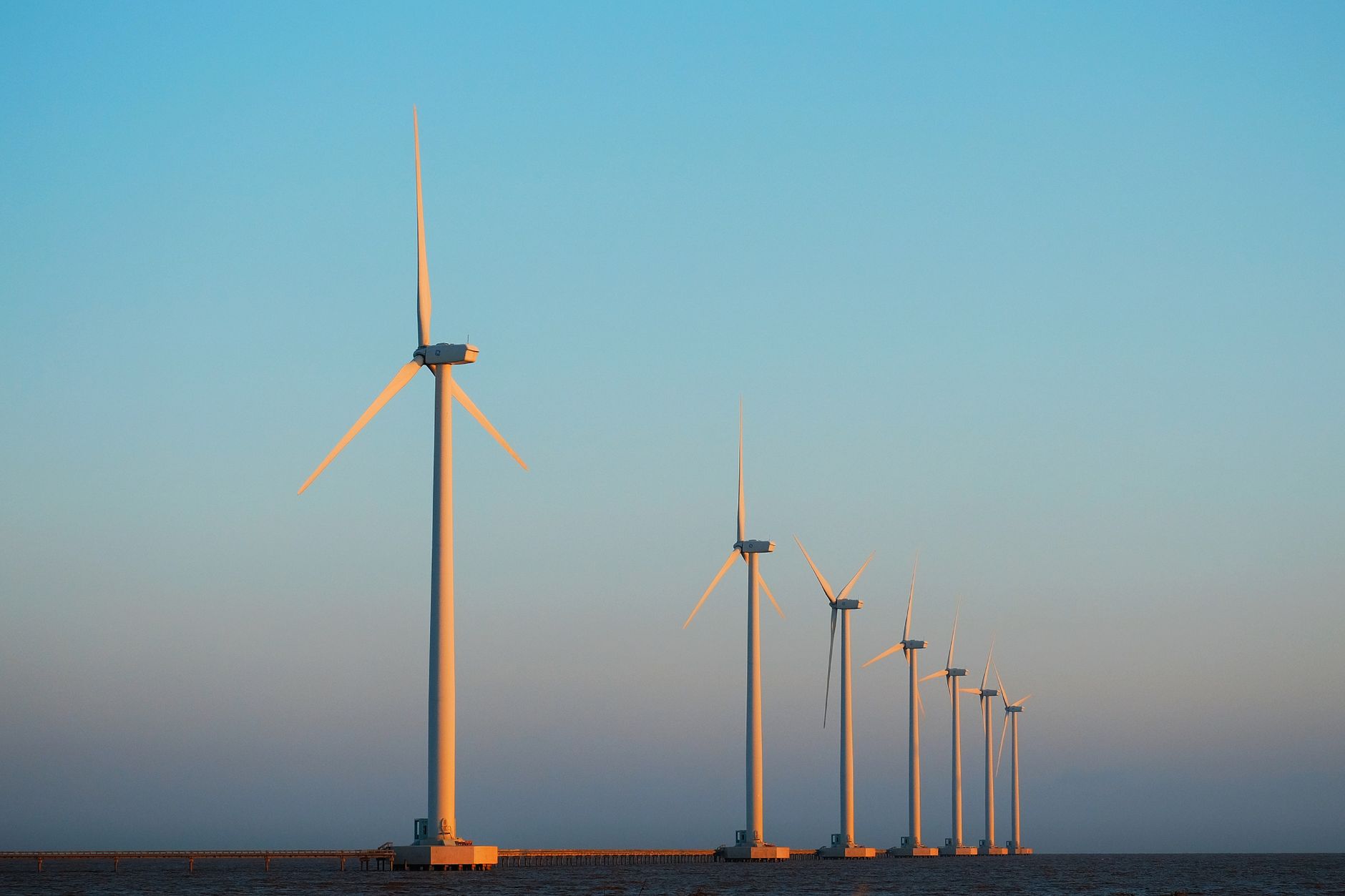
- Modern offshore turbine blades now exceed 115 meters, enabling higher energy capture in hybrid systems.
Hybrid Contracts Reshape Spain's Renewable Procurement
Encavis's entry into Spain's hybrid PPA market signals a maturing approach to renewable energy procurement in Europe. Rather than contracting for wind or solar capacity separately, hybrid agreements combine multiple technologies—typically wind and solar—under unified commercial terms. This structure appeals to both developers and offtakers seeking more predictable output profiles and reduced curtailment risk.
Spain's renewable sector has historically relied on technology-specific contracts and auction mechanisms. A hybrid framework addresses a real operational challenge: wind and solar generation patterns complement each other seasonally and diurnally, smoothing the aggregate output that reaches the grid or end customer. This complementarity reduces the need for ancillary services and improves the effective capacity factor of the combined asset.
Scaling Turbine Technology Supports Portfolio Density
The economics of hybrid projects benefit from advances in turbine design. Modern offshore blades now exceed 115 meters in length—substantially longer than a football field—which enables turbines to capture wind energy from taller hub heights and larger swept areas. While this particular Encavis contract location isn't specified as offshore, onshore turbine technology has similarly evolved, with larger rotors improving capacity factors across diverse wind regimes. These efficiency gains make hybrid portfolios economically viable in regions where individual technologies might struggle to meet power purchase agreement thresholds.
Market Implications for Developer Strategy
For developers like Encavis, hybrid PPAs represent a path to differentiation in a crowded market. Customers increasingly demand low-carbon supply with stable, predictable pricing—requirements that hybrid portfolios address more effectively than technology-specific contracts. The arrangement also simplifies grid interconnection permitting and reduces the number of distinct operational interfaces a utility or corporate buyer must manage.
Spain's openness to hybrid structures reflects broader European recognition that renewable energy procurement is evolving beyond commodity auctions toward customized, long-term partnerships. As more developers follow Encavis into hybrid contracting, the Spanish market will likely establish precedents that influence other Mediterranean and Southern European nations navigating similar decarbonization timelines.
Enjoyed this one?
Get the next MW Daily entry straight to your inbox.
mwdaily.energy — no spam, unsubscribe anytime