Mingyang eyes world's biggest wind turbine with giant 33MW machine
Mingyang pushes boundaries with 33MW offshore turbine design, raising stakes in the race for larger capacity machines.
At a Glance
- Mingyang is developing a 33MW offshore wind turbine aimed at setting a new capacity record.
- Modern offshore blades already exceed 115 meters in length, presenting engineering challenges for even larger designs.
- Larger turbines reduce installation costs and improve energy yields per unit foundation.
- The 33MW class represents a significant jump in scaling—few manufacturers currently operate machines in this tier.
The Push Toward Megawatt Scaling
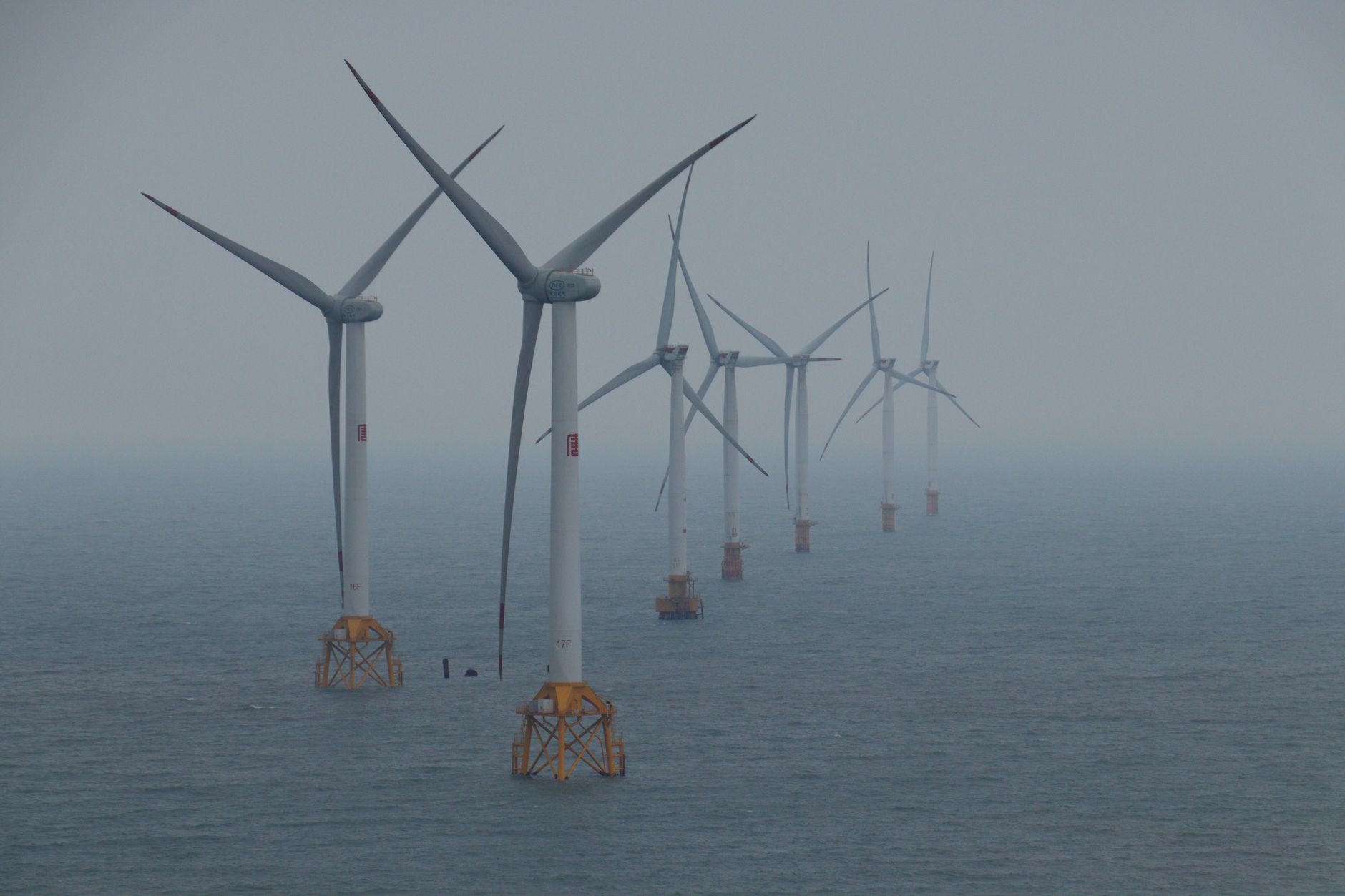
Mingyang's pursuit of a 33MW offshore turbine reflects an industry trend toward ever-larger machines. As developers seek to reduce the number of installations needed to reach capacity targets, and to improve the economics of remote offshore sites, manufacturers have steadily increased nameplate ratings. Moving to higher capacity classes means fewer turbines, shorter installation windows, and improved asset utilization—compelling drivers even when engineering complexity rises.
Structural and Logistical Reality
Modern offshore turbine blades already exceed 115 meters, longer than an American football field. A machine at the 33MW scale will demand proportionally massive components: rotors, drivetrain elements, and tower sections that push fabrication, transport, and offshore installation to their current technical limits. The weight and aerodynamic properties of blades at this size are no longer linear extrapolations—deflection, fatigue, and material costs become critical design drivers. Floating platforms, specialized vessels, and port infrastructure capable of handling such equipment remain bottlenecks for widespread deployment.
Competitive Timing
Several major OEMs are pursuing machines in the 12–15MW range already in commercial operation or final testing. The jump to 33MW is ambitious and depends on advances in materials science, control systems, and subsea infrastructure. Mingyang's announcement signals confidence in both the technical pathway and future market demand for suprasize capacity. However, the path from prototype to fleet deployment typically spans years, with regulatory approval, supply chain validation, and real-world performance data required before industry-wide adoption.
Real-World Constraints
Wind farms must match turbine selection to site conditions, grid interconnection, and installation logistics. A 33MW machine will not be universally deployable—water depth, seabed conditions, and vessel availability will limit locations. For sites where floating foundations or advanced installation techniques are already planned, the efficiency gains justify the additional engineering effort. For traditional fixed-bottom farms, incremental increases in the 12–20MW range may prove more practical in the near term.
Enjoyed this one?
Get the next MW Daily entry straight to your inbox.
mwdaily.energy — no spam, unsubscribe anytime