Electrification
IEA signals electrification push across sectors; offshore blade engineering reaches new scale thresholds.
At a Glance
- IEA emphasizes electrification as central to energy transition strategy across multiple sectors.
- Modern offshore turbine blades now exceed 115 meters in length, surpassing football field dimensions.
- Scaling blade technology directly impacts turbine efficiency and offshore project economics.
- Grid infrastructure must evolve to handle increased electrification demand.
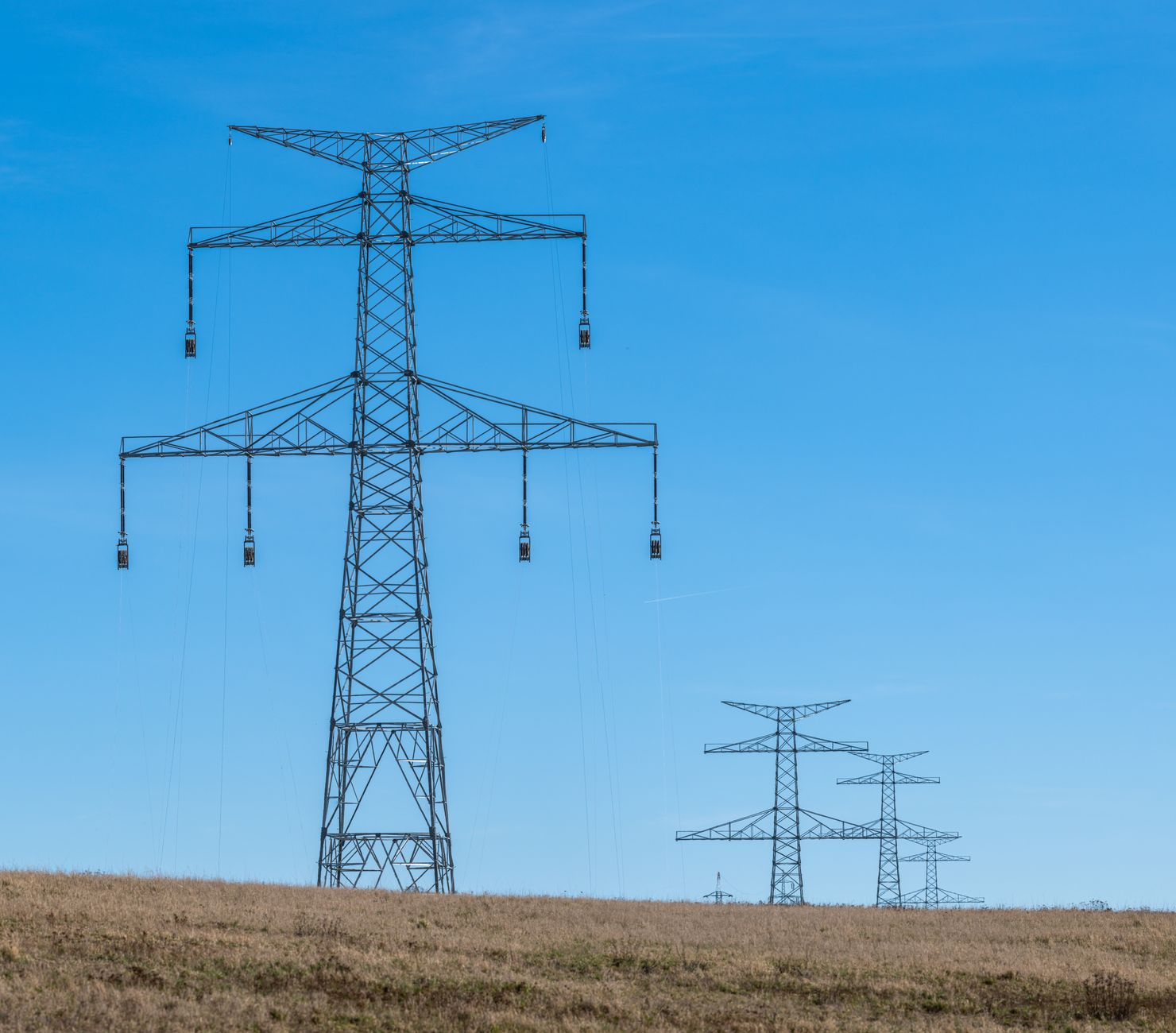
The Electrification Imperative
The International Energy Agency's focus on electrification signals a fundamental shift in how industrial sectors will decarbonize. Rather than pursuing sector-specific solutions, widespread conversion to electricity—particularly from renewable sources—offers a unified pathway to emissions reduction. This strategy extends beyond power generation into transportation, heating, and industrial processes, making grid capacity and reliability increasingly central to energy policy.
Offshore Wind's Growing Role
Offshore wind plays a critical role in this electrification scenario. Modern turbine blades now exceed 115 meters in length, enabling machines that dwarf conventional onshore installations. This scaling reflects decades of materials science and aerodynamic refinement—longer blades capture more wind energy with fewer installations, reducing seabed footprint and environmental impact per megawatt delivered. As these machines become standard, they anchor the high-capacity generation needed to support widespread electrification.
Grid and Infrastructure Challenges
Electrification at scale introduces real infrastructure demands that extend far beyond turbine engineering. Grids designed for centralized generation must accommodate distributed renewables, manage variable output, and support new loads from electric heating and vehicle charging. Offshore wind's contribution matters not just for its capacity factor—typically superior to onshore installations—but for its ability to site large generation blocks near coastal demand centers where electrification adoption tends to concentrate first.
What's Next
The IEA's electrification emphasis is neither new nor controversial within the sector, but its continued prominence signals commitment to a pathway with real engineering constraints. Blade scaling demonstrates the industry's response: optimize generation efficiency to manage grid integration challenges. The convergence of IEA strategy and offshore technology advancement isn't coincidental—they reinforce each other. Larger, more efficient offshore capacity becomes essential infrastructure for an electrified economy, and the economics of such projects improve as blade technology matures and manufacturing scales. For grid operators and developers, the implication is clear: prepare infrastructure for both larger renewable sources and greater total load.
Enjoyed this one?
Get the next MW Daily entry straight to your inbox.
mwdaily.energy — no spam, unsubscribe anytime