Proven seals for green hydrogen projects
Proven seal technology removes a critical reliability barrier for scaling green hydrogen production infrastructure.
At a Glance
- Validated seal designs are addressing operational reliability concerns in green hydrogen production equipment.
- Seal durability directly affects electrolyzer uptime and project economics.
- Modern renewable energy infrastructure—like offshore turbines exceeding 115 meters—demands equally robust supporting systems.
- Proven sealing solutions reduce long-term maintenance costs and improve hydrogen project viability.
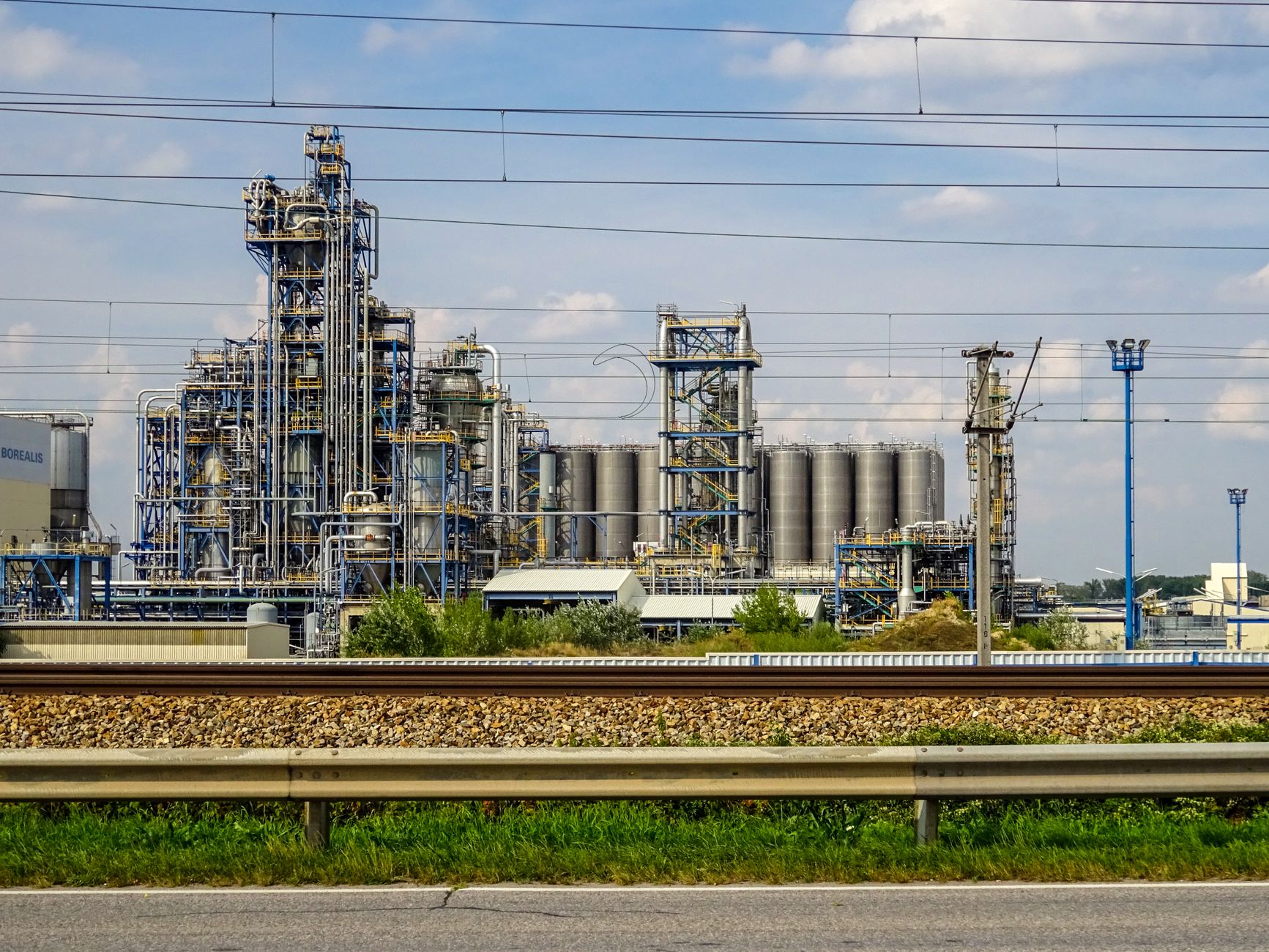
Sealing Out Downtime Risk
Green hydrogen projects depend on electrolyzer stacks running continuously at high efficiency. The sealing systems in these devices face genuine stress: corrosive water chemistry, pressure cycling, and the need to prevent hydrogen leakage while maintaining minimal parasitic losses. Until recently, operators couldn't rely on off-the-shelf seals designed for this specific duty cycle. Proven designs that have demonstrated longevity in field deployment represent a genuine step forward in making hydrogen infrastructure bankable.
Why This Matters for Project Finance
Unplanned seal failures cascade. A degraded seal means water ingress, electrolyte contamination, or hydrogen escape—each triggering stack replacement or extended downtime. Project owners financing multi-megawatt installations cannot absorb repeated maintenance events. Validated seal technology directly improves capacity factors and reduces reserve maintenance budgets, improving the leverage equation that hydrogen projects need to attract capital.
Lessons From Scale in Renewables
The renewable energy industry has faced this problem before. Offshore wind turbines now routinely exceed 115 meters in blade length, operating in harsh marine environments where gearbox seals, bearing seals, and hydraulic systems must function without easy access for service. That sector learned that proven, field-tested seal specifications are non-negotiable. The same rigor is now essential for hydrogen production equipment if the industry expects to move beyond pilot deployments.
Building Operational Confidence
What separates a commercial-stage technology from a promising prototype is repeatability. Seal performance data from multiple installations under varied operating conditions—different water sources, ambient temperatures, duty cycles—establishes the empirical foundation operators and insurers need. As hydrogen projects grow in scale and investment size, seal reliability will shift from a technical detail to a procurement requirement and contract specification. Utilities and industrial users evaluating hydrogen systems will increasingly demand seal longevity evidence alongside efficiency ratings.
The standardization of proven seal designs may seem unglamorous compared to electrolyzer chemistry breakthroughs, but it accelerates the path to deployment. Proven reliability unlocks deployment; deployment unlocks cost reduction through manufacturing scale and operational learning.
Enjoyed this one?
Get the next MW Daily entry straight to your inbox.
mwdaily.energy — no spam, unsubscribe anytime