Ara Garcia-Dandan
Leadership change at GWEC signals shifts in global wind advocacy as industry navigates grid integration and supply chain challenges.
At a Glance
- Ara Garcia-Dandan has taken on a new role with the Global Wind Energy Council.
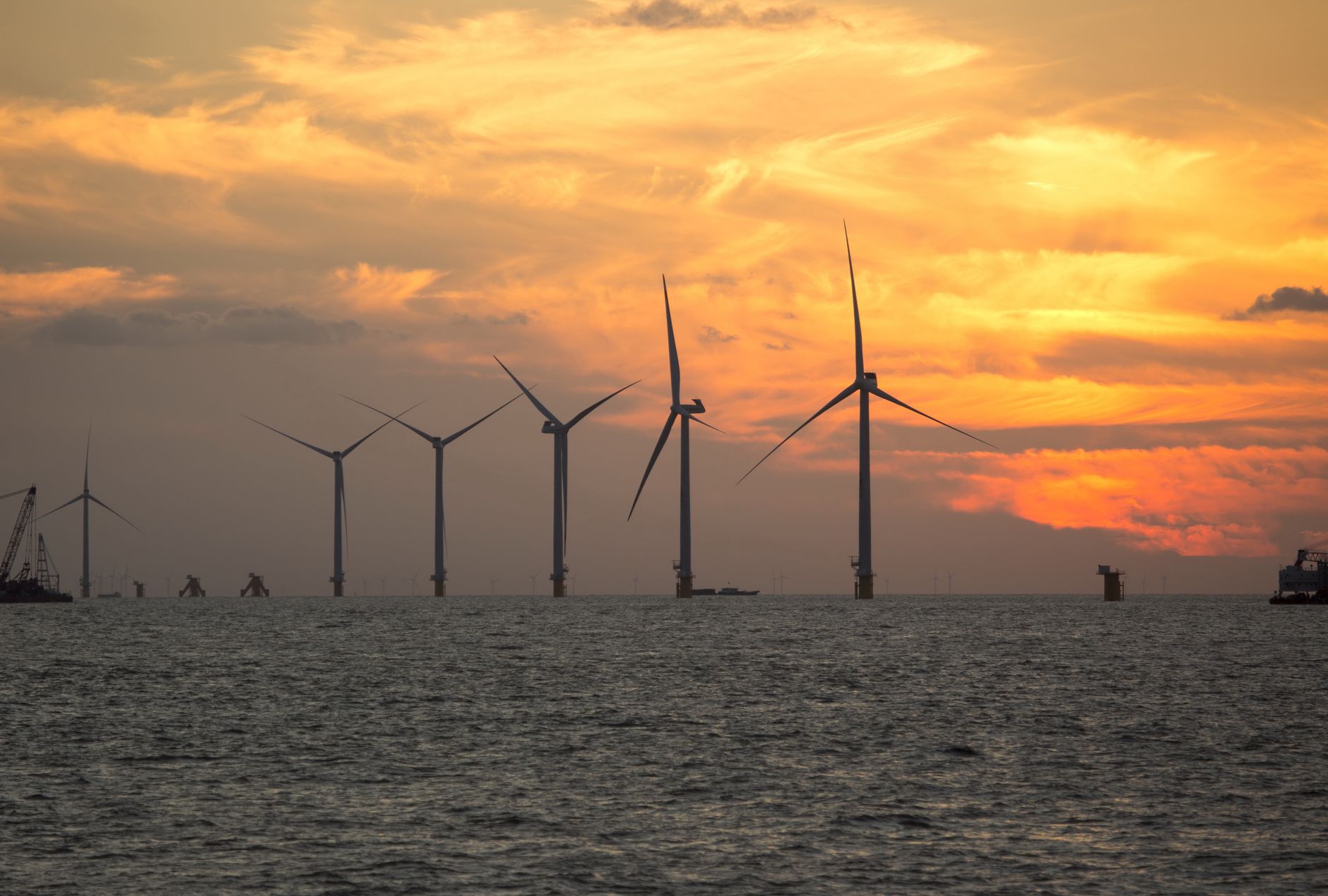
- Modern offshore turbine blades now exceed 115 meters in length, creating engineering and logistics challenges.
- Leadership transitions at major trade bodies often reflect broader industry priorities around technical deployment and policy.
A New Voice in Global Wind Advocacy
Ara Garcia-Dandan's move into a leadership position at the Global Wind Energy Council (GWEC) arrives at a moment when offshore wind expansion is pushing against real physical and practical limits. The scale of modern machines—with single blades now routinely stretching beyond 115 meters—has reshaped what global supply chains must deliver. Larger rotors mean bigger transportation headaches, more specialized installation vessels, and tighter port infrastructure requirements. A new leadership chapter often signals where the industry's focus will land in the year ahead.
Engineering Realities Driving Policy
The physics of modern offshore turbines have become inseparable from policy and trade discussions. Blades exceeding football-field lengths demand specialized heavy-lift vessels and manufacturing capacity that most countries simply lack. This hardware reality creates bottlenecks that no amount of policy goodwill can instantly remove. Anyone at GWEC now inherits a mandate to help governments and developers understand that scaling wind deployment isn't purely about targets or permits—it's about whether the physical infrastructure exists to support the machines themselves.
What Leadership Transitions Mean Operationally
Trade association leadership changes rarely happen in isolation. They typically reflect shifting priorities within member organizations and emerging technical or regulatory challenges that need coordinated response. Garcia-Dandan's appointment likely indicates GWEC sees offshore wind's hardware constraints as central to the coming years' growth story. Whether the focus lands on supply chain resilience, port modernization, or workforce training will matter enormously to offshore developers trying to execute projects on real timelines.
Forward Momentum with Physical Constraints
Global wind deployment continues accelerating, but the machines doing that work have become engineering marvels that strain logistics networks built for smaller equipment. A leadership transition at GWEC is neither dramatic news nor minor housekeeping—it signals where the industry sees its next bottleneck and where advocacy energy will concentrate. The real test will be whether global wind leaders can help governments, ports, and supply chains catch up to turbine engineering that's already here.
Enjoyed this one?
Get the next MW Daily entry straight to your inbox.
mwdaily.energy — no spam, unsubscribe anytime