Powering The Future: Wind & Tech Summit
Industry convenes to discuss wind's trajectory as offshore technology pushes physical and operational boundaries
At a Glance
- Global Wind Energy Council is hosting a summit focused on wind energy and technology futures
- Offshore turbine blades now exceed 115 meters in length, creating engineering and logistics challenges
- Industry leaders are addressing how scaling and innovation intersect in wind development
- Technical advances in blade design drive both opportunities and practical deployment constraints
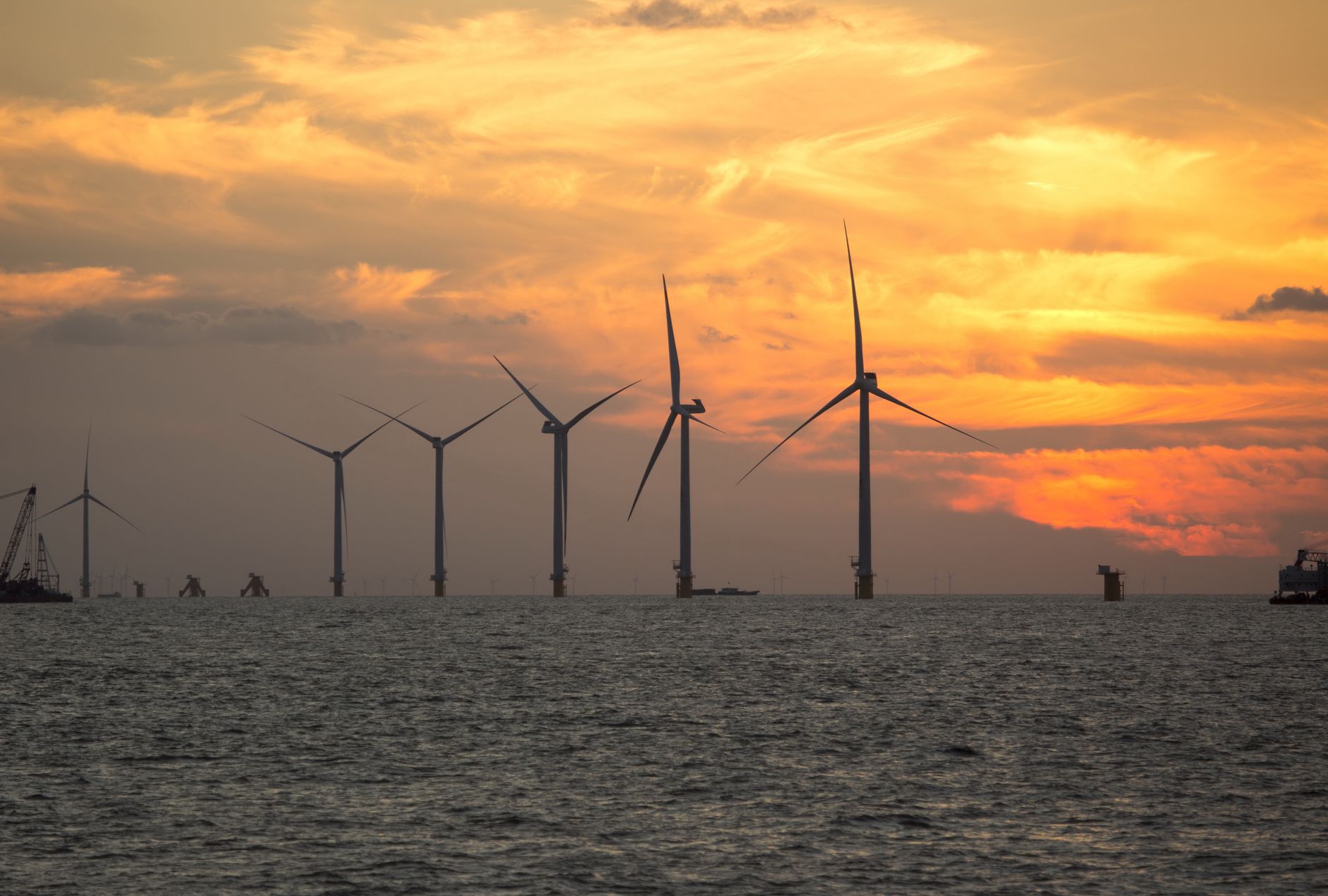
Scale Reshaping the Sector
The Global Wind Energy Council's Wind & Tech Summit arrives at a pivotal moment for offshore development. While onshore projects have matured into predictable engineering territory, offshore capacity continues to demand fundamental rethinking of turbine architecture. Modern blade lengths now routinely exceed 115 meters—a dimension that reframes every phase of manufacturing, transportation, and installation. When your rotor diameter stretches longer than a football field, you're no longer optimizing within familiar parameters; you're solving entirely new problems in structural dynamics, supply chain logistics, and installation vessel requirements.
Engineering Meets Economics
The technical gains driving these enormous rotors are real: longer blades capture wind energy across a larger swept area, improving capacity factors and reducing the levelized cost per megawatt. But scaling brings compounding complexity. Transportation becomes a choreography of special permits and purpose-built ships. Foundation designs must handle bending moments that grow nonlinearly with blade length. Material science becomes critical—how do you maintain blade stiffness while managing weight at unprecedented spans? These aren't abstract concerns for research papers; they hit project timelines and budgets directly.
Industry Coordination on the Horizon
A summit bringing together the full ecosystem—turbine manufacturers, foundation engineers, logistics providers, and project developers—serves a practical function beyond networking. Standardization efforts, supply chain de-bottlenecking, and shared learning around installation methodologies can accelerate deployment. The industry learned this lesson in the early 2000s: coordinated advancement beats isolated innovation. Offshore wind in Europe and Asia has proven commercial viability at scale, but getting there required aligning equipment specifications, port capabilities, and workforce training across borders.
What's at Stake
The conversation this summit will shape touches fundamental questions: How fast can manufacturing capacity scale to meet demand? What vessel innovations are needed to install these systems reliably? Can modularization strategies reduce complexity without sacrificing efficiency? The gap between laboratory performance and field reliability narrows when engineers from different sectors genuinely exchange constraints and solutions. That's what separates aspirational roadmaps from achievable timelines.
Enjoyed this one?
Get the next MW Daily entry straight to your inbox.
mwdaily.energy — no spam, unsubscribe anytime