Africa Crosses Installation Threshold as Rising Industrial Demand Signals a New Era of Growth
Africa's wind sector reaches a critical mass milestone as industrial growth patterns reshape deployment strategy across the continent.
At a Glance
- Africa has crossed a significant installation threshold, marking a turning point in continental wind development.
- Industrial sector demand is emerging as a primary driver of new wind project investment across African markets.
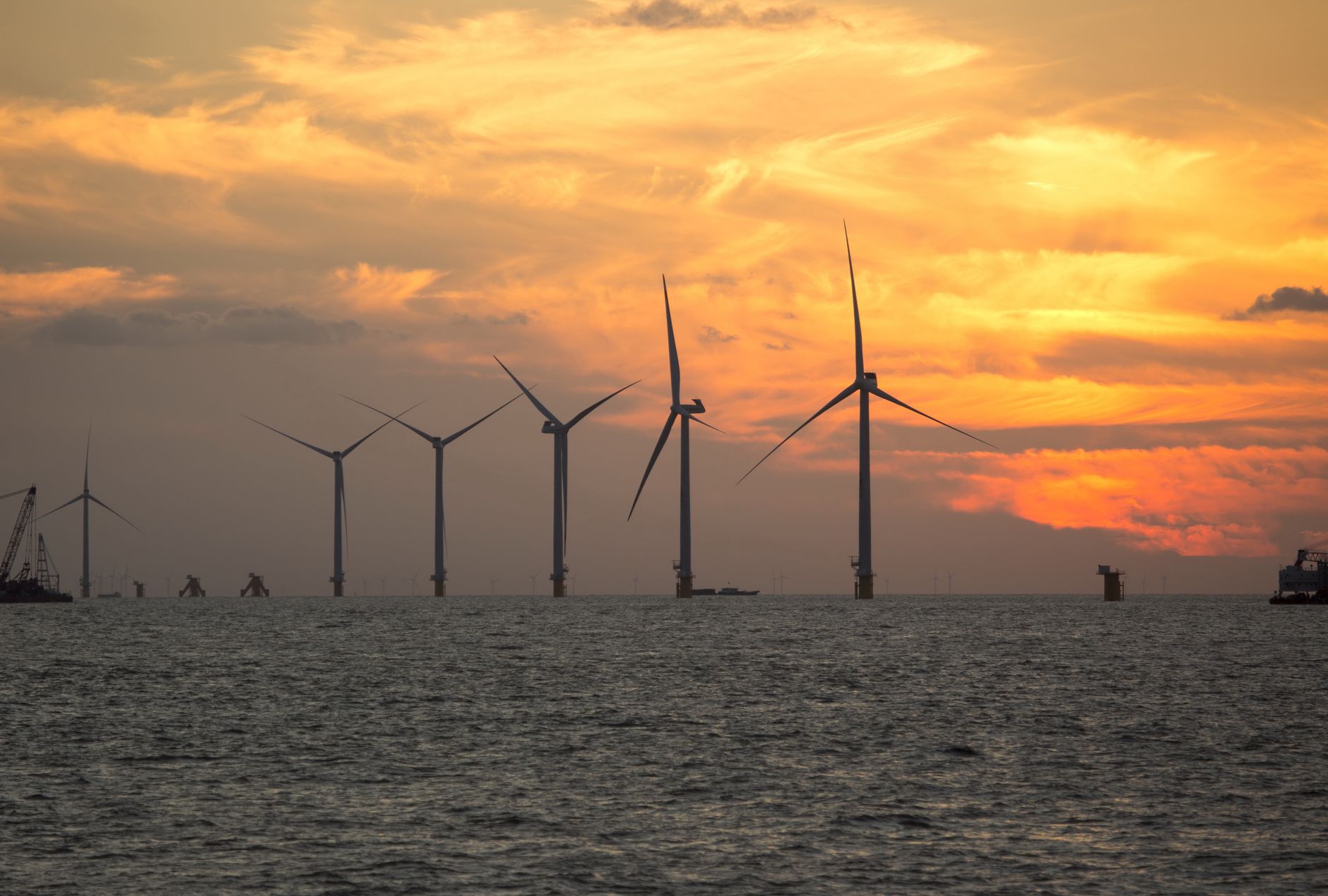
- Modern offshore turbine blades now exceed 115 meters in length, enabling higher capacity factors in coastal regions.
- This growth phase signals structural change in how African energy infrastructure is being built and financed.
Breaking Through the Inflection Point
Africa's wind sector has reached a critical juncture. The continent has now crossed an installation threshold that reflects more than just cumulative capacity additions — it signals a fundamental shift in market confidence and industrial uptake. This milestone matters because it suggests that wind deployment is transitioning from isolated demonstration projects into sustained, commercially-driven expansion.
The driver here is worth examining closely: industrial demand. Manufacturing, mining, and heavy processing operations are increasingly seeking reliable, long-term power agreements with wind developers. This represents a different contracting dynamic than utility-scale procurement alone. Industrial offtakers bring volume commitments, technical sophistication, and payment reliability that can accelerate project financing and deployment schedules.
What This Means for Development Patterns
As African markets mature, we're seeing classic infrastructure progression — coastal regions gain access to modern offshore technology, while inland areas benefit from land-based turbine improvements. Modern offshore turbine blades now exceed 115 meters in length, which translates to higher swept areas and better capacity factors in consistent wind regimes. This hardware evolution opens deployment options that weren't economically viable five years ago.
The inflection point also reflects improving local supply chains, grid integration experience, and regulatory familiarity. Each project that reaches commissioning builds institutional knowledge that reduces risk and cost for the next developer.
The Growth Trajectory Ahead
Industrial demand as a primary market driver changes investment calculus. Rather than waiting for state-level auction processes, corporates are actively partnering with developers to build capacity. This creates more continuous deal flow and shorter development cycles — the opposite of the wait-and-bid cycles that characterized earlier African wind markets.
For engineers working in the region, this expansion means more turbine installation work, grid interconnection challenges to solve, and operations & maintenance demand. The threshold Africa has crossed isn't just numerical; it's a signal that wind is becoming baseline infrastructure rather than an experimental addition.
Enjoyed this one?
Get the next MW Daily entry straight to your inbox.
mwdaily.energy — no spam, unsubscribe anytime