BWO warns of offshore ‘crisis’ without WindSeeG changes
BWO flags urgent need for WindSeeG reforms to prevent offshore industry breakdown
At a Glance
- BWO has raised alarm about an imminent crisis in offshore wind without changes to WindSeeG regulations
- Modern offshore turbine blades now exceed 115 meters in length, creating substantial logistical and infrastructure demands
- The warning suggests current policy frameworks may not adequately address operational and manufacturing challenges at scale
What's Driving the Alarm
The British Wind Energy Association has signaled that the offshore sector faces a critical juncture. Without reforms to WindSeeG—the regulatory framework governing grid connection and consenting processes—the industry risks hitting operational and commercial barriers that could throttle development momentum. This isn't abstract concern; it reflects real friction points where policy hasn't kept pace with what modern projects actually demand.
Scale of Modern Assets
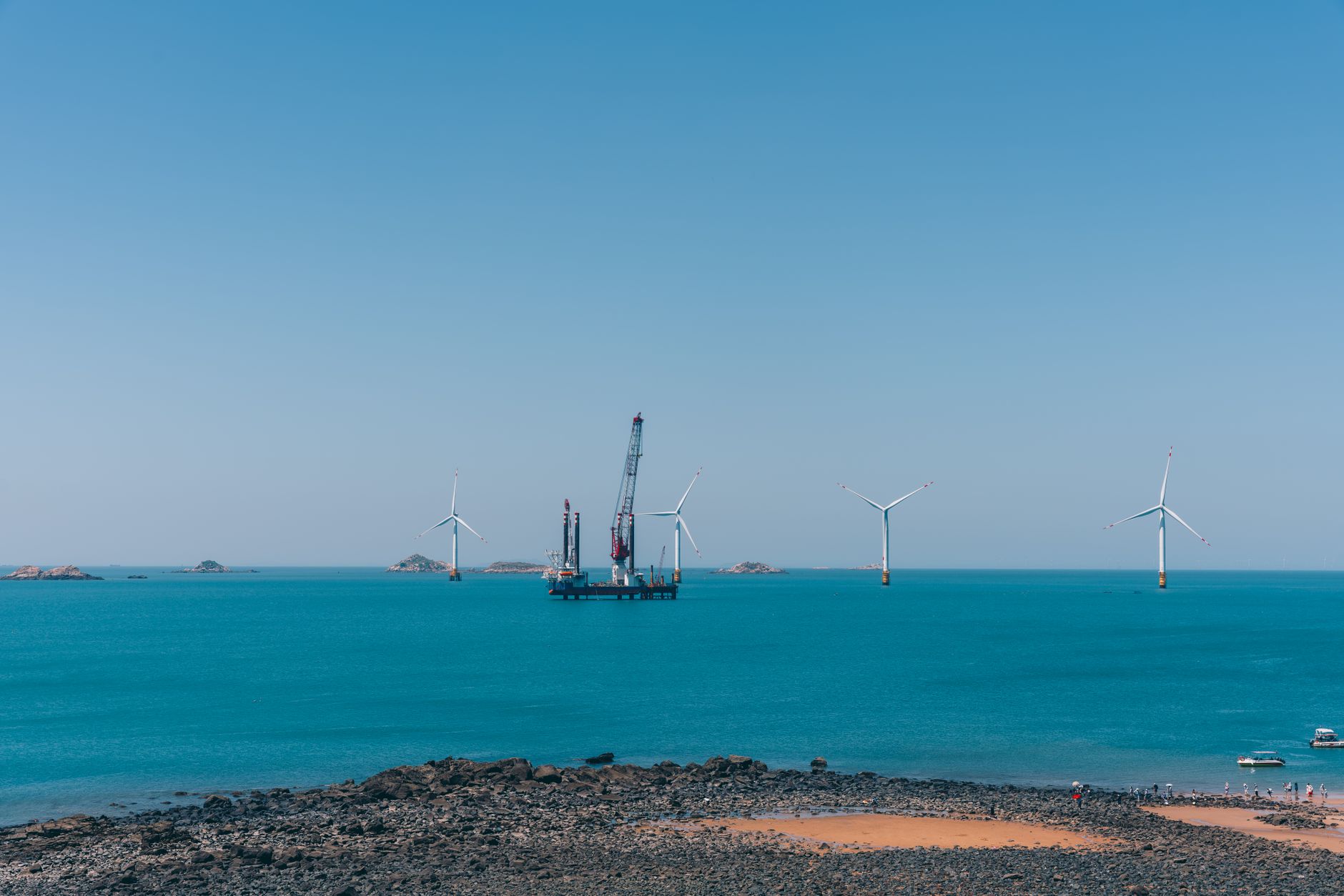
Today's offshore turbines operate at a scale that strains existing infrastructure and logistics networks. Rotor blades now routinely exceed 115 meters, making each component longer than an American football field. This size creates cascading challenges: transportation corridors, vessel specifications, installation vessels with adequate crane capacity, and port facilities all must accommodate equipment that pushes conventional limits. The engineering demands of handling, transporting, and installing these components are fundamentally different from projects built even five years ago.
The Policy Gap
BWO's warning suggests that WindSeeG hasn't been updated to reflect either the physical scale of current machines or the compressed timeline developers face in reaching net-zero targets. Grid connection queues, environmental assessment protocols, and supply-chain approval processes were designed around smaller installations and longer development cycles. When regulatory throughput can't match equipment capability and project demand, bottlenecks emerge—not just as paperwork delays but as commercial pressure that can force developers to accept unfavorable terms or abandon projects.
What Needs to Change
Reforms likely center on streamlining consenting, clarifying grid connection procedures, and ensuring that infrastructure planning—particularly around ports and logistics hubs—aligns with what the industry is actually building. The sector has demonstrated it can engineer and deploy massive offshore installations. The constraint now is whether policy can evolve fast enough to let that capability operate at the scale and speed required.
The offshore wind industry isn't asking for deregulation; it's asking for regulation that matches reality. Without that alignment, even well-capitalized projects will face friction that serves no public interest.
Enjoyed this one?
Get the next MW Daily entry straight to your inbox.
mwdaily.energy — no spam, unsubscribe anytime