Irish wind farms set September generation record
Irish wind sector hits generation milestone in September as fleet capacity continues to expand across onshore and offshore projects.
At a Glance
- Irish wind farms achieved a generation record during September, marking continued growth in renewable output.
- Offshore turbine blades now exceed 115 meters in length, enabling larger per-turbine capacity and efficiency gains.
- Record generation reflects both fleet expansion and improved turbine technology across Ireland's wind portfolio.
- September weather patterns and seasonal wind conditions contributed to the milestone achievement.
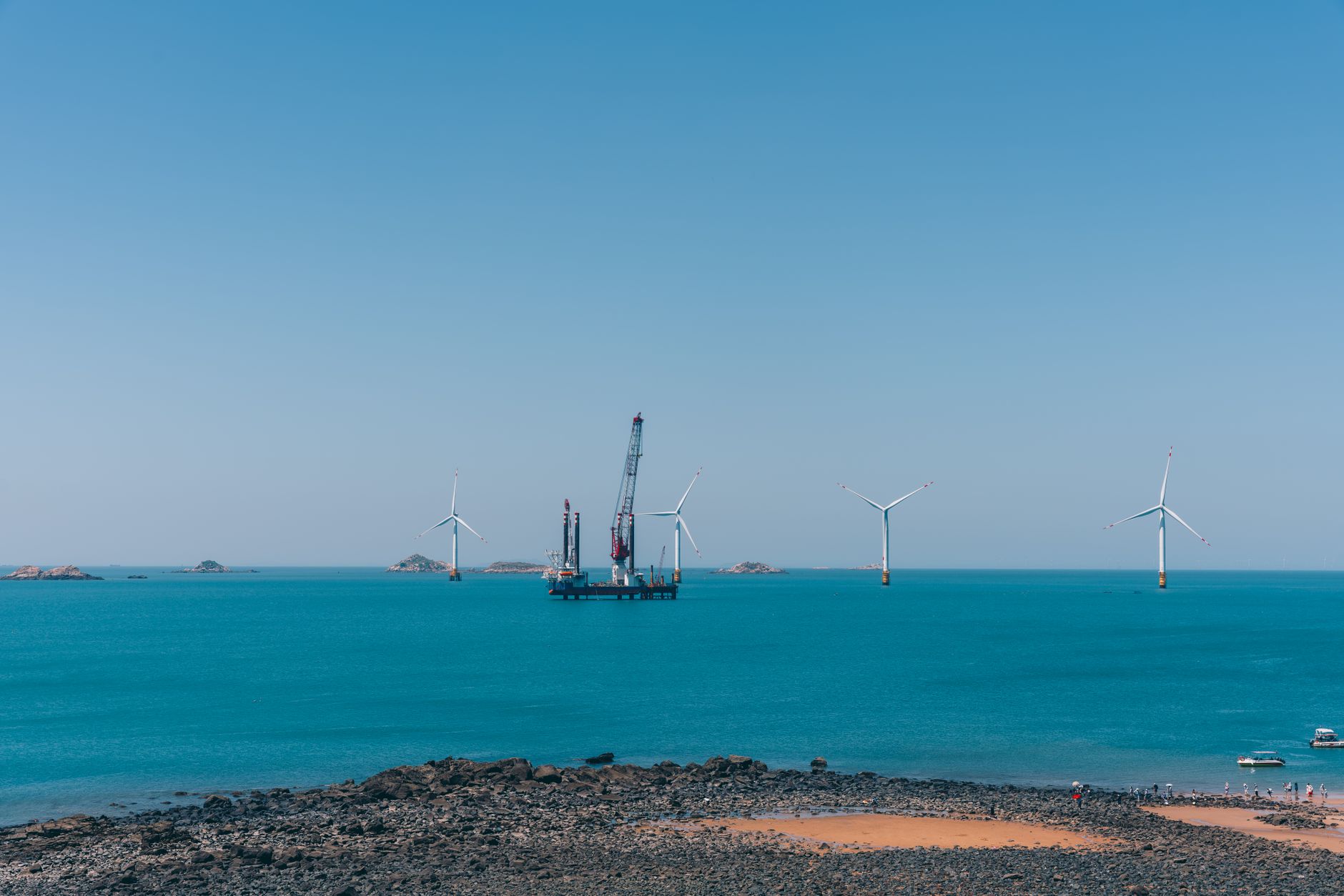
Growing Fleet, Growing Output
Ireland's wind sector marked another performance benchmark this month, driven by a combination of expanded capacity and favorable seasonal conditions. The record reflects the maturation of Ireland's wind resource strategy, where both onshore installations and offshore projects have added meaningful generating potential to the grid over recent years. This kind of month-to-month tracking matters operationally—it demonstrates the predictability of wind as a system component and validates investment in sites that operators had targeted.
The Hardware Enabling Scale
Underlying this output growth is a fundamental shift in turbine engineering. Modern offshore platforms now deploy blades exceeding 115 meters—structures so large that visual inspection alone becomes impractical, requiring drone technology and advanced monitoring. Longer blades don't just spin more slowly at the same wind speeds; they capture energy across a wider area, pushing nameplate capacity per unit higher. For grid operators, this means fewer turbines needed to achieve the same megawattage, streamlining installation, maintenance logistics, and supply-chain coordination.
Context for Market Participants
From a project finance standpoint, records like these validate the underlying assumptions in feasibility studies. Lenders, insurers, and offtake buyers need to see actual performance data that confirms modeling—and Irish generation figures now provide that evidence at scale. The record also positions Ireland competitively within European renewable procurement discussions, particularly relevant as offshore capacity targets tighten across the continent.
For operations teams, September's result is data. They'll analyze wind distribution, curtailment events, grid stability contributions, and any transmission constraints that appeared during high-generation periods. That operational granularity informs next-phase siting decisions and helps identify where storage, interconnect upgrades, or demand-response coordination could extract more value from the existing fleet.
What Comes Next
Records are moments, not trends—but they signal direction. As blade and nacelle technology continues advancing and as Ireland's offshore pipeline matures, September's figure will likely be a waypoint, not a ceiling. The real engineering challenge ahead isn't hitting one record month; it's sustaining high performance across seasonal variation while managing grid integration constraints that grow more complex as wind penetration deepens.
Enjoyed this one?
Get the next MW Daily entry straight to your inbox.
mwdaily.energy — no spam, unsubscribe anytime