SPR completes East Anglia 2 drilling
SPR finishes drilling work on East Anglia 2, advancing the major offshore wind project toward construction
At a Glance
- SPR has completed drilling operations for East Anglia 2, a significant offshore wind development
- Drilling completion represents a key milestone in moving the project from site preparation toward installation phases
- Modern offshore turbine blades now exceed 115 meters in length, creating engineering challenges for foundation design and subsea preparation
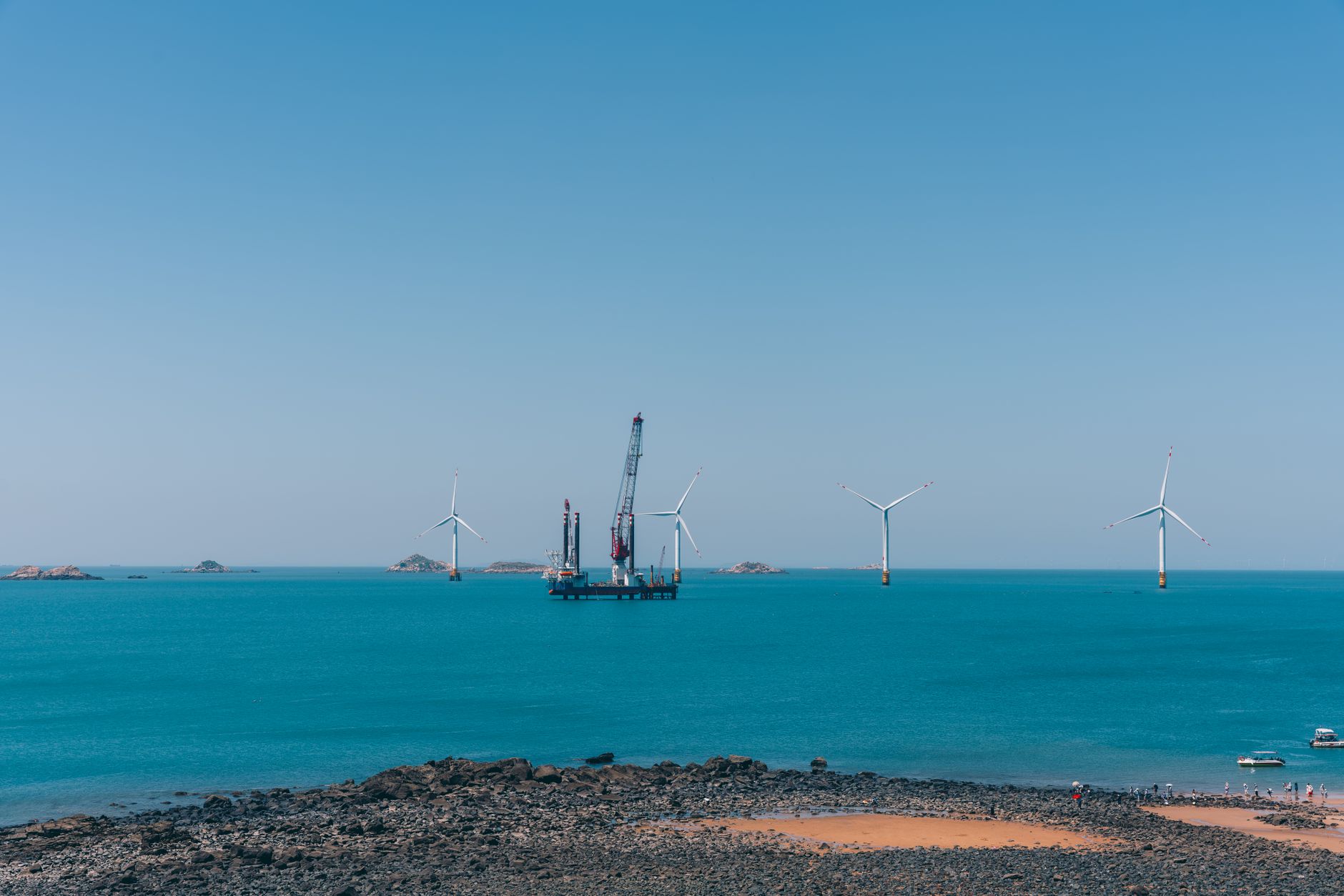
Drilling Milestone Opens Path to Installation
Completion of drilling work at East Anglia 2 marks a transition point in the project lifecycle. Subsea drilling establishes the foundation systems that will support the turbine structures through decades of operation. This phase typically involves geotechnical investigation, soil sampling, and preparation of anchor points or jacket foundation locations—groundwork that cannot proceed until you have a clear picture of what lies beneath the seabed.
For developers and contractors, this milestone signals readiness to begin procurement orders for major components. Supply chains for offshore projects operate on lead times measured in years, so drilling completion often triggers the release of capital for manufacturing commitments.
Engineering Realities of Scale
Offshore turbines deployed today mount blades exceeding 115 meters—each one longer than an American football field. That scale matters directly to foundation design. Larger rotor diameters generate higher bending moments at the tower base, which flows through to foundation loading calculations. Drilling campaigns like East Anglia 2's must account for these forces when characterizing soil properties and designing the subsea structures that will anchor them.
The geotechnical data collected during drilling informs everything from pile design to cable routing. Engineers use boring logs and soil samples to validate assumptions made during earlier feasibility studies. Any surprises in soil composition or strata depth can ripple through structural designs that are already in advanced stages.
Timeline Implications
Drilling completion typically sits several years ahead of first-power-production timelines on large offshore projects. This allows time for design refinement, permitting closure, supply contracts, and fabrication. For investors and grid planners tracking capacity additions, drilling milestones are among the most reliable indicators that a project is moving from concept toward physical delivery.
The East Anglia 2 completion also reflects the maturation of offshore wind supply chains in northern Europe. Subsea drilling expertise, foundation design standards, and installation logistics are now routine operations—though no less complex—compared to the first generation of offshore farms developed two decades ago. This repetition has driven cost reductions and efficiency gains that underpin the economics of larger developments.
Enjoyed this one?
Get the next MW Daily entry straight to your inbox.
mwdaily.energy — no spam, unsubscribe anytime