Trump renews attack on Orsted’s Revolution Wind
Trump renews criticism of Orsted's Revolution Wind project, adding pressure to an already contested offshore development.
At a Glance
- Trump has renewed public criticism of Orsted's Revolution Wind project
- Offshore turbine blades now exceed 115 meters in length, substantially larger than earlier generations
- The project faces continued political and regulatory headwinds despite existing approvals
- Scale of modern offshore installations makes permitting disputes increasingly high-stakes for the industry
Political Spotlight on Offshore Development
Donald Trump has resumed attacks on Orsted's Revolution Wind, keeping the project in the crosshairs of political opposition. The recurring criticism underscores how contested offshore wind development remains at the national level, particularly in regions where coastal constituencies hold sway. For an industry already navigating complex siting challenges, this kind of sustained political pressure adds another layer of uncertainty to projects moving through approval stages or construction phases.
Scale That Demands Attention
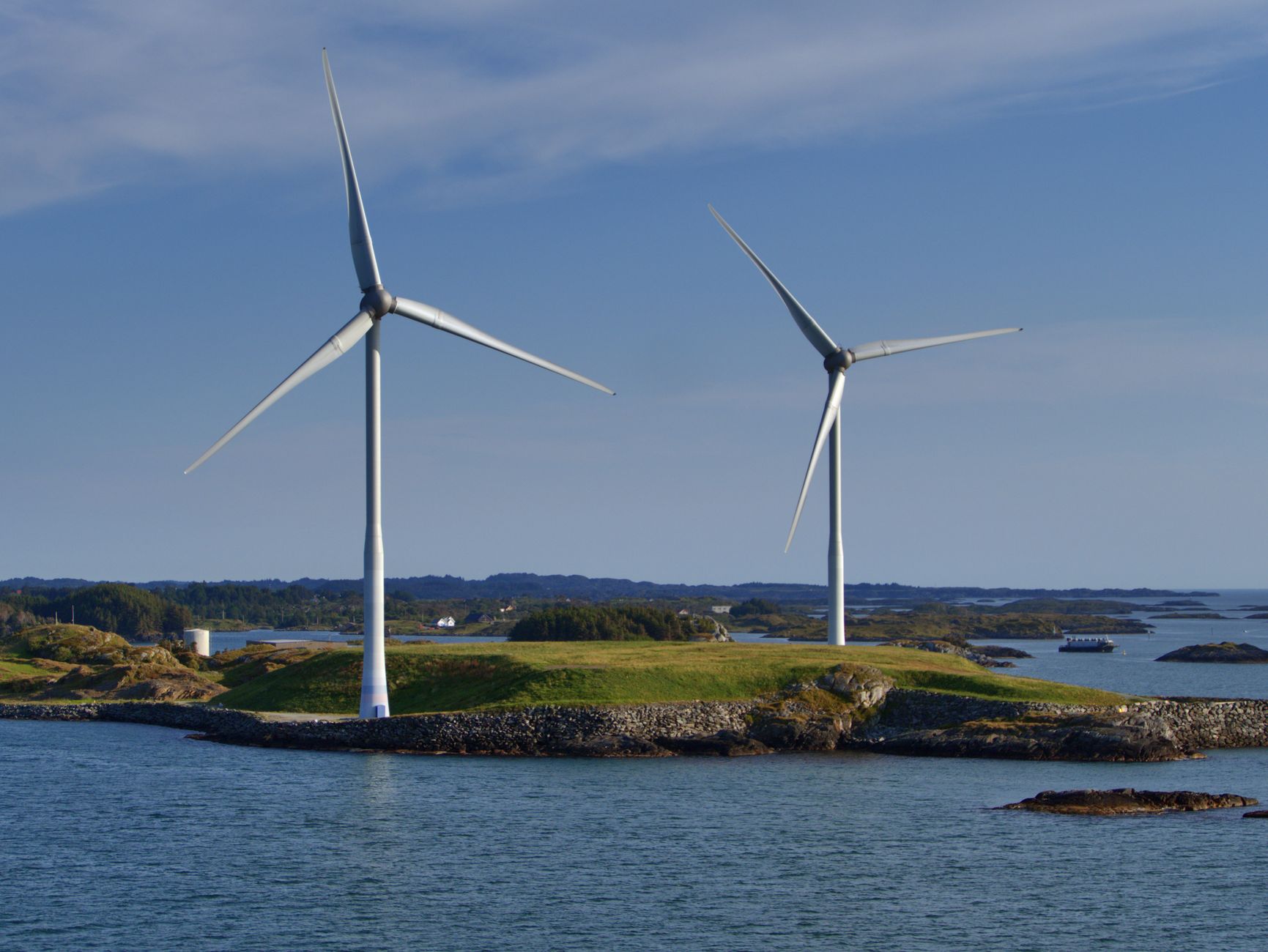
Modern offshore turbine blades now routinely exceed 115 meters—substantially larger than earlier-generation equipment and longer than a football field. This scaling up drives both the economic case for offshore development and the intensity of local and political opposition. Larger rotors mean higher capacity factors and better cost economics, but they also become more visible, more imposing, and easier targets for those questioning whether the tradeoffs are worthwhile. Revolution Wind sits in a particularly visible geographic and political context, making it a focal point for broader debates about energy infrastructure.
Implementation Pressure
Projects like Revolution Wind operate within an approval framework that's supposed to provide certainty once permits are granted. But when political leadership changes, that regulatory stability can feel illusory. Developers and supply chain participants banking on these projects moving forward face a real risk of delays, additional requirements, or outright obstruction—not necessarily based on new technical or environmental findings, but on shifting political winds. This kind of uncertainty tends to cascade through project financing, workforce planning, and component supply agreements.
What's at Stake
The broader offshore wind sector watches closely how projects like this perform politically and operationally. Each contentious development sets precedent for how future projects will be perceived and contested. While the technical case for offshore wind remains strong—especially given the efficiency gains from larger turbines—the political and permitting environment remains volatile. For utilities, developers, and the supply chain, understanding this volatility isn't optional; it's essential to realistic project planning.
Enjoyed this one?
Get the next MW Daily entry straight to your inbox.
mwdaily.energy — no spam, unsubscribe anytime