JUWI sells 24MW German wind farm | Onshore Wind
JUWI divests 24MW onshore German portfolio, signaling portfolio reshuffling in mature European markets.
At a Glance
- JUWI has sold a 24MW wind farm in Germany, reflecting ongoing portfolio management in established markets.
- Onshore turbine sales remain routine in Europe despite industry consolidation pressures.
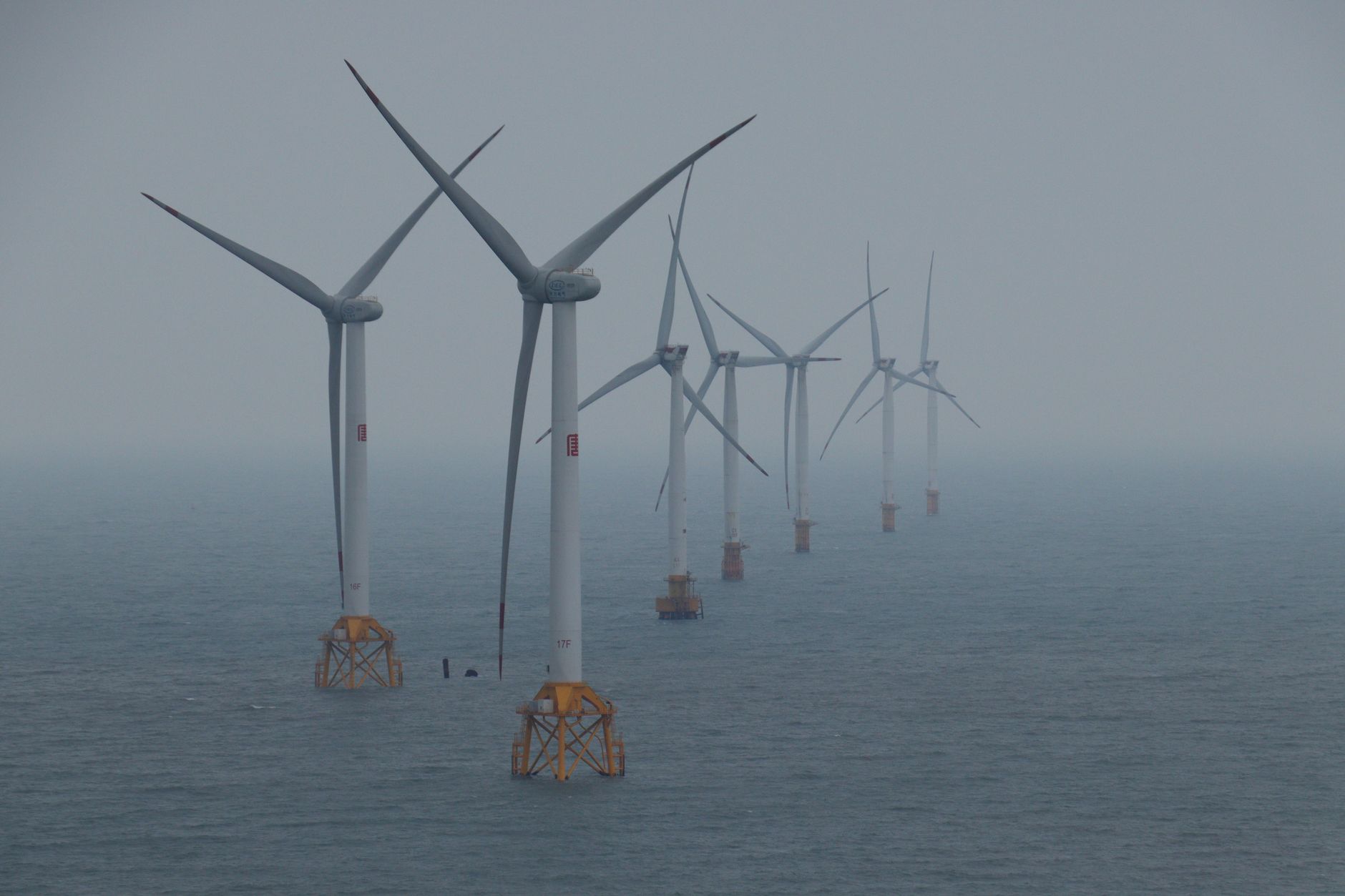
- Modern offshore blades now exceed 115 meters in length, highlighting the performance gap between onshore and offshore technology.
- Asset divestment cycles are typical as developers optimize geographic and technological focus.
Market Consolidation Reshapes Developer Portfolios
The divestment of established onshore capacity underscores how wind developers are recalibrating their holdings in mature European markets. As companies refocus on higher-value expansion opportunities or concentrate resources in regions with stronger growth trajectories, smaller or fully operational assets sometimes transition to new operators better positioned to manage them. This type of sale activity has become routine in Germany, where years of development have created a competitive secondary market for operating wind farms.
Why Developers Sell Mature Assets
Once a wind farm reaches stable operational status, the economics shift. Development margins disappear, and the project becomes primarily a cash-flow asset. For larger players like JUWI, capital often moves toward higher-return activities—whether that's entering new geographies, upgrading aging turbines, or pivoting toward offshore development where larger turbines command premium economics. A 24MW portfolio represents meaningful capacity but relatively modest scale for a pan-European developer.
The Offshore-Onshore Technology Gap
It's worth noting that modern offshore turbine blades now exceed 115 meters in length—substantially larger than feasible for land-based installations. That technological separation reflects where industry innovation is concentrating capital. Offshore platforms support bigger machines that justify installation costs, while onshore projects optimize within the constraints of noise, visual impact, and grid integration. The contrast helps explain why developers sometimes rationalize onshore holdings to fund riskier but higher-capacity offshore bets.
What This Signals
Portfolio sales like this one are routine signals of portfolio optimization rather than crisis. German onshore wind remains functional and profitable; the question for developers is whether holding smaller completed projects aligns with their strategic direction. JUWI's move likely reflects internal capital discipline—ensuring every asset in the portfolio justifies its position against alternative investments the company could pursue instead. For the buyer, a functioning 24MW farm offers immediate yield with minimal execution risk, which remains attractive in lower-growth environments.
Enjoyed this one?
Get the next MW Daily entry straight to your inbox.
mwdaily.energy — no spam, unsubscribe anytime