JUWI sells 24MW German wind farm
JUWI divests German wind assets as portfolio shifts reshape the European market.
At a Glance
- JUWI has sold a 24MW wind farm in Germany.
- The transaction reflects ongoing portfolio optimization across European wind operators.
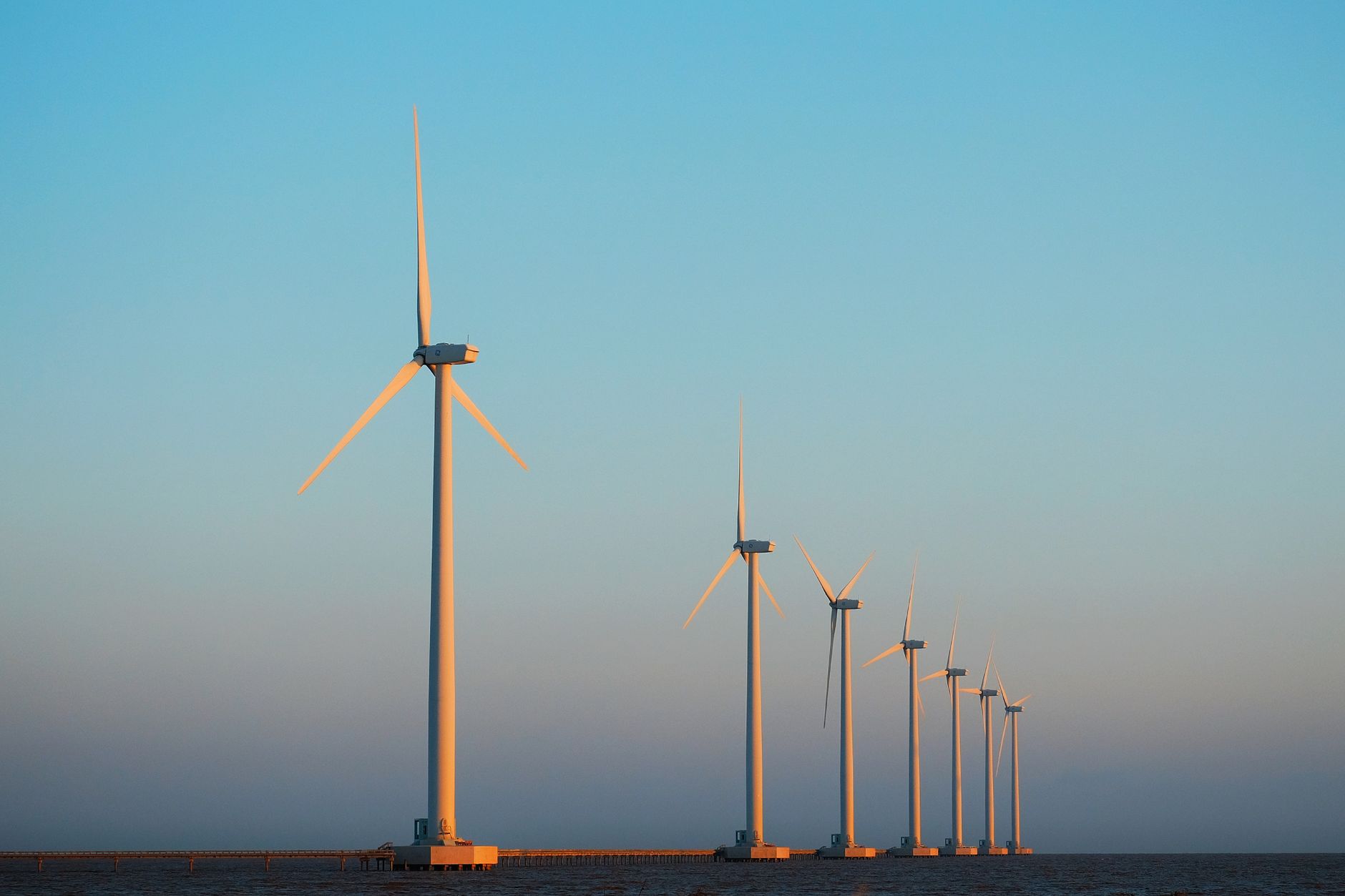
- Modern offshore turbine blades now exceed 115 meters in length, expanding technical capabilities for future projects.
- Asset turnover in mature markets remains common as developers refocus capital allocation.
Portfolio Rationalization in a Maturing Market
JUWI's divestment of a German wind farm signals the continued reshuffling of assets among developers working in established European markets. At 24MW, this facility represents the kind of mid-scale onshore installation common across Germany's portfolio—productive but no longer the frontier of capital deployment for many companies. The sale underscores a broader pattern: as operators mature, they frequently recycle older or non-core capacity to fund development in higher-return jurisdictions or next-generation technologies.
Germany remains Europe's largest onshore wind market by absolute capacity, yet newer entrants and aggressive capacity targets elsewhere—particularly offshore—are drawing developer attention and capital away from incremental onshore additions. For established players, this means strategic exits from smaller parcels make portfolio sense.
The Offshore Shift and Technical Evolution
While onshore farms like the one JUWI sold typically operate at single-digit megawatt ratings per turbine, offshore development has accelerated engineering envelope expansion. Modern offshore turbine blades now exceed 115 meters in length—substantially longer than a football field—enabling single units to reach 12–15MW or beyond. This scale advantage makes offshore projects increasingly attractive on a per-unit economics basis, even accounting for marine installation complexity and higher supply-chain costs.
For developers working German territory, whether onshore or offshore, the technical trajectory is clear: future projects will either require optimized land use and permitting approaches for onshore sites, or pivot offshore where blade dimensions and turbine power ratings can justify project economics at contemporary financing rates.
Market Context and Deal Implications
Asset sales in mature markets like Germany are typically structured to maintain operational continuity under new ownership—ensuring grid contributions and revenue streams persist. The 24MW transaction likely involves stable cash flow generation that appeals to yield-focused buyers or specialist wind operators less focused on development-stage risk.
For JUWI specifically, such divestments free capital and management bandwidth for pipeline development or geographic expansion. As European wind deployment continues its rebalancing toward offshore, repurposing capital from stable but mature onshore holdings reflects hardheaded commercial discipline in a competitive market.
Enjoyed this one?
Get the next MW Daily entry straight to your inbox.
mwdaily.energy — no spam, unsubscribe anytime