RWE sells stake in gigawatt-scale UK offshore wind project to EDF
RWE divests from major UK offshore asset as strategic repositioning continues across European operators
At a Glance
- RWE has sold its stake in a gigawatt-scale UK offshore wind project to EDF
- The transaction reflects ongoing portfolio reshuffling among major European wind developers
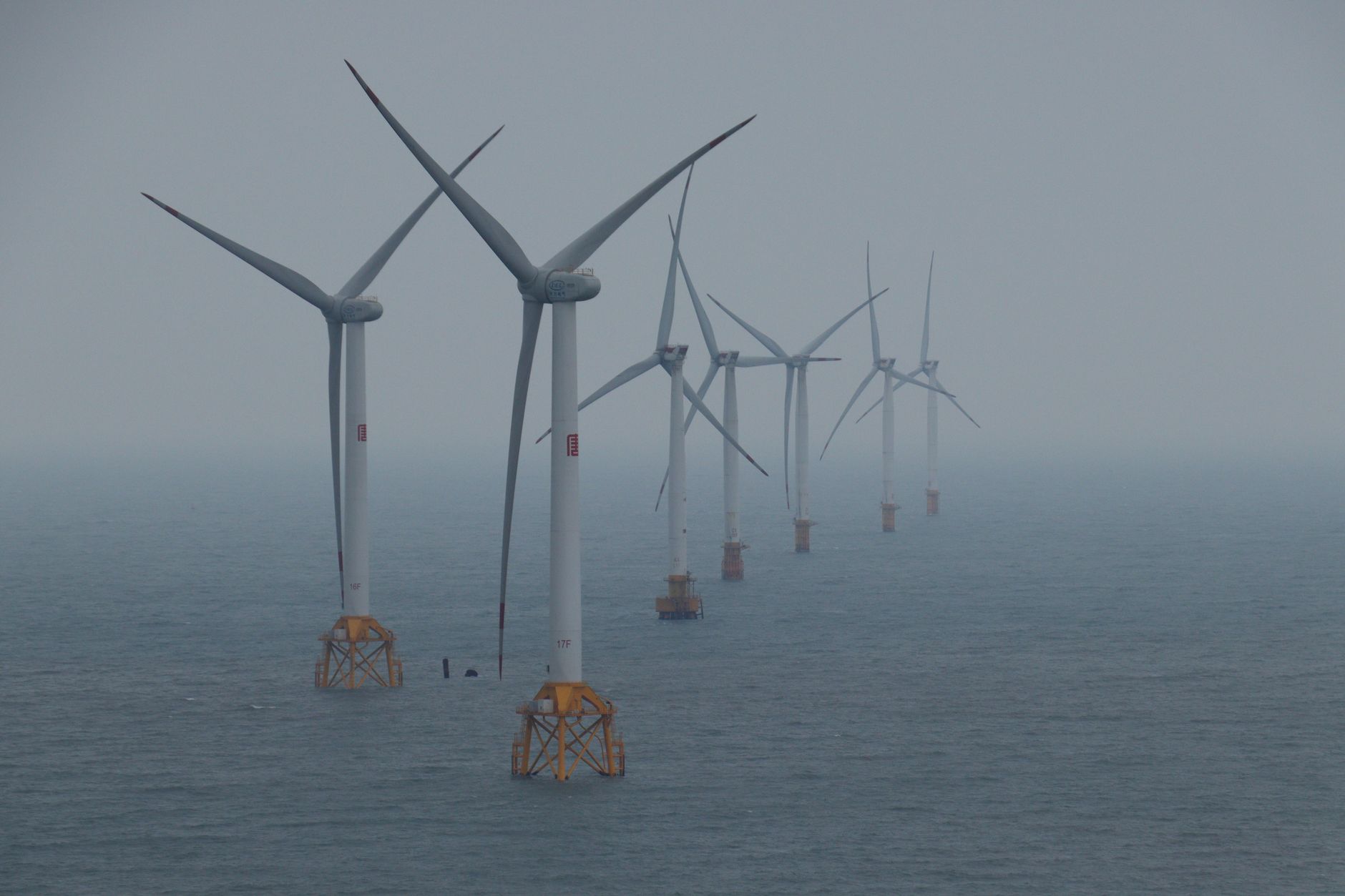
- Modern offshore turbine blades exceed 115 meters in length, requiring specialized installation infrastructure
Portfolio Realignment in Offshore Wind
RWE's decision to exit a major UK offshore wind position marks another chapter in the continuous restructuring of European renewable energy portfolios. The sale to EDF signals how developers are recalibrating exposure across markets and project stages. This type of transaction typically indicates strategic prioritization—either focusing capital elsewhere or adjusting risk profiles as projects move through different development phases.
For investors tracking RWE's direction, such moves often precede broader capital allocation announcements. Whether driven by balance sheet management, declining project economics in specific markets, or simple portfolio optimization, these stakes changes ripple through supply chains and workforce planning.
Scale and Complexity of Gigawatt Assets
A gigawatt-scale offshore wind project represents substantial infrastructure—dozens of turbines, hundreds of miles of subsea cabling, and years of operation. These farms demand specialized vessels, trained crews, and predictable weather windows for installation and maintenance. Modern offshore turbine blades now exceed 115 meters in length, a scale that fundamentally shapes logistics and port requirements. Longer blades mean higher energy capture and lower per-megawatt costs, but they also demand more sophisticated handling during transport and installation.
For EDF, acquiring this stake means inheriting not just generation capacity but also the technical and operational complexity that comes with the asset class. The company gains exposure to UK grid dynamics and subsidy regimes while taking on the full weight of blade maintenance, foundation inspection, and grid connection responsibilities.
What Changes for Operations
Stake sales don't always mean immediate operational disruption. In many cases, the existing operations team, maintenance contracts, and grid interconnection agreements continue unchanged. However, a new majority owner typically brings revised timelines for reinvestment, different approaches to spare parts inventory, and potentially new benchmarks for availability and performance.
The offshore wind industry remains capital-intensive and margin-sensitive. Transactions like this one underscore how operators must continuously evaluate where to deploy limited resources. For supply chain companies and service providers, tracking these ownership shifts offers early warning signals about future spending patterns and strategic priorities.
Enjoyed this one?
Get the next MW Daily entry straight to your inbox.
mwdaily.energy — no spam, unsubscribe anytime