About Yenny
Global Wind Energy Council signals shift in offshore wind deployment strategy and technology focus.
At a Glance
- Global Wind Energy Council released guidance on offshore wind market direction.
- Modern offshore blades now exceed 115 meters in length, surpassing a football field.
- Larger blade dimensions reflect industry push toward higher capacity and efficiency in offshore installations.
- Scale increases pose engineering and logistics challenges for blade manufacturing and deployment.
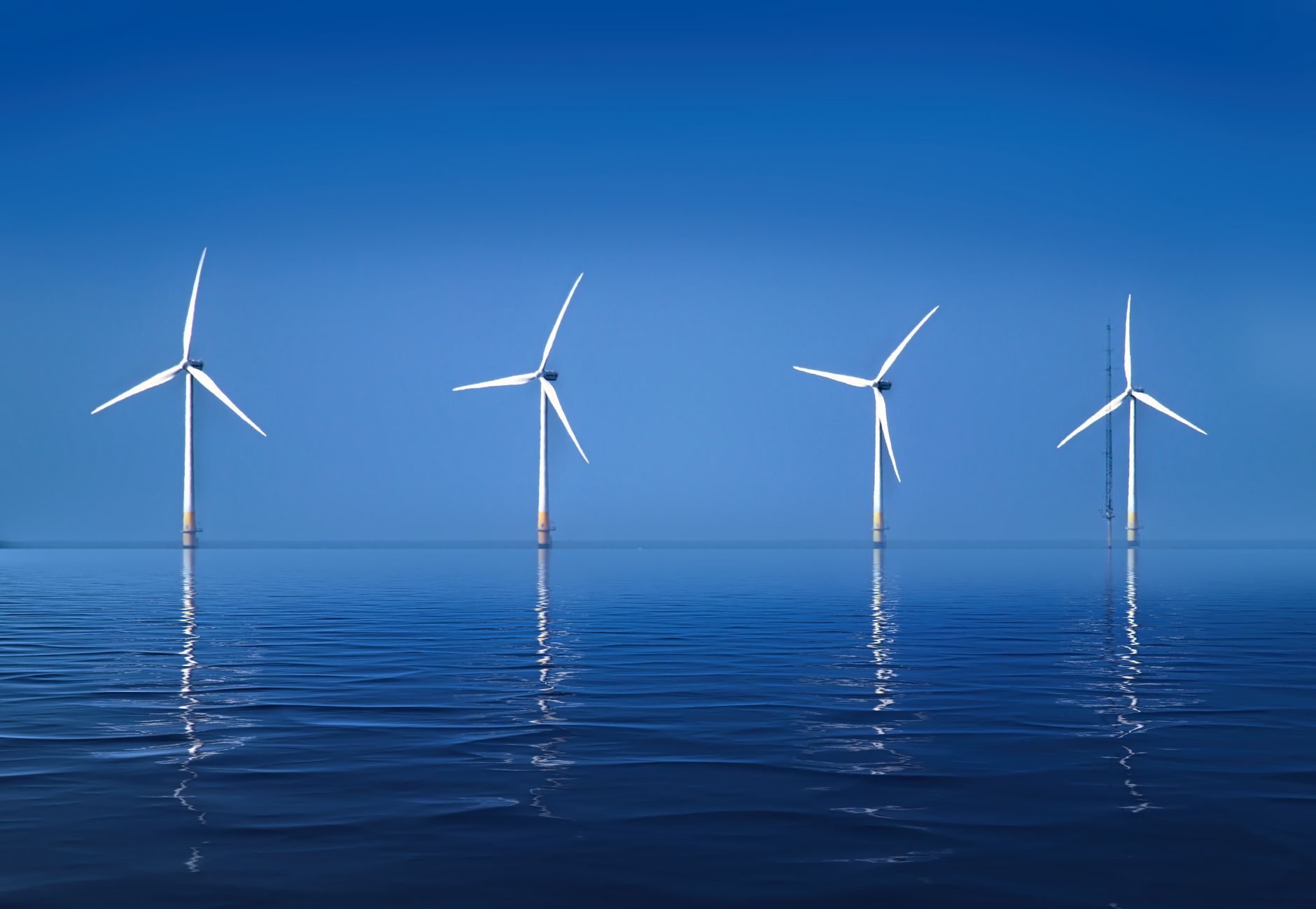
Scale Defines the Offshore Frontier
The wind industry continues its relentless march toward larger machines. Modern offshore turbine blades now exceed 115 meters in length—a dimension that reshapes every aspect of the supply chain, from manufacturing facilities to port infrastructure and installation vessels. This trajectory isn't accidental; it reflects the fundamental economics of offshore development, where fixed costs demand maximum energy capture per unit deployed.
What Size Constraints Really Mean
When a blade stretches longer than a football field, you're no longer discussing engineering margin—you're discussing a different category of problem. Manufacturing tolerance, transportation logistics, and installation methodology all shift. Port facilities worldwide are upgrading cranes and staging areas specifically to accommodate these components. Vessel specifications have had to evolve in parallel. The Global Wind Energy Council's positioning on this trend matters because it signals industry consensus on where investment should flow and what capabilities developers must build into their supply chains.
The Efficiency Calculation
Larger blades sweep more area, converting more wind energy into electricity across a broader wind speed range. In offshore environments where consistency and access to stronger winds matter, the return on engineering complexity pays dividends. But this only works when developers, manufacturers, and installation contractors all operate at the required precision level. Any weakness in that chain—a port that can't stage the blade, a vessel that can't position it, a foundation that wasn't designed for the resulting loads—becomes a bottleneck.
Where This Leads
The GWEC's role in framing market direction carries weight because it helps coordinate expectations. Developers planning projects five years out need confidence that blade manufacturers will deliver the geometries and weights they're counting on, and that port and vessel capacity will exist. Similarly, supply-chain operators need visibility into whether this scaling trend will continue or plateau. The larger blade era isn't a temporary phase; it's the new baseline. Understanding that baseline—and its implications for site selection, foundation design, and logistics planning—is essential for anyone building projects or evaluating capital deployment in offshore wind today.
Enjoyed this one?
Get the next MW Daily entry straight to your inbox.
mwdaily.energy — no spam, unsubscribe anytime