Building the Wind Workforce of the Future: GWEC and ECAA Announce Education Partnership
GWEC and ECAA partner to build education pipeline for wind sector workforce demands
At a Glance
- GWEC and ECAA have announced a joint education partnership to develop the wind industry workforce
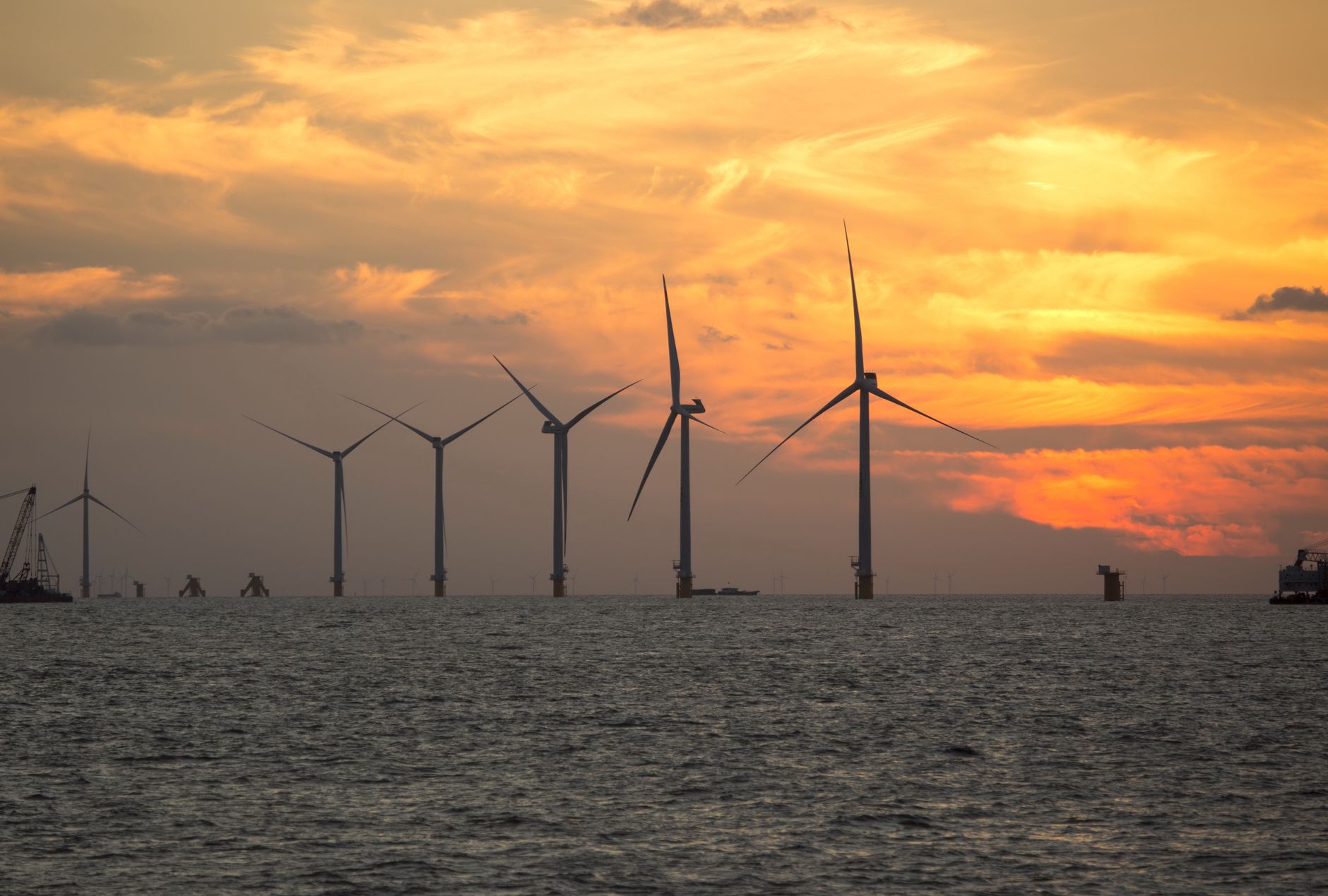
- Modern offshore turbine blades now exceed 115 meters in length, requiring specialized engineering expertise
- The partnership addresses skill gaps as wind capacity expansion accelerates globally
- Structured training programs aim to prepare technicians and engineers for increasingly complex installations
Closing the Skills Gap
The wind industry faces a familiar paradox: deployment is accelerating while the talent pipeline lags. GWEC and the European training association have joined forces to address this disconnect head-on. As turbine complexity grows—offshore platforms now routinely feature blade assemblies exceeding 115 meters—the engineering and installation workforce must evolve in lockstep. This partnership signals recognition that policy targets alone won't succeed without people capable of executing them.
What Specialized Training Looks Like
Wind technicians and engineers need more than general mechanical knowledge. Massive blade installations, subsea foundations, grid interconnection, and condition monitoring all demand domain-specific competence. Modern offshore turbines represent an engineering scale many technicians encounter nowhere else in their careers. Educational programs must bridge the gap between classroom fundamentals and the reality of working on equipment that dwarfs traditional industrial machinery.
The partnership likely focuses on curriculum development, apprenticeship pathways, and certification standards—the infrastructure that turns interest into qualified personnel. Without coordinated training frameworks, regions inevitably face mismatched qualification levels and uneven safety outcomes.
Geographic and Market Implications
Workforce development isn't geographically neutral. Regions with mature training ecosystems can scale faster than those building programs from scratch. This GWEC-ECAA collaboration sets a template that other continental blocs will probably follow or adapt. Markets like Southeast Asia, the Middle East, and Latin America—all ramping capacity—will watch closely.
The partnership also addresses retention. Training is only useful if graduates remain in the field. Competitive wages, clear career progression, and workplace safety become binding constraints once qualified personnel become scarce. Education alone doesn't solve supply-chain-level shortages, but it's the prerequisite foundation.
The Broader Context
This announcement arrives as global capacity additions remain robust but permitting backlogs and supply constraints increasingly squeeze project timelines. A trained, available workforce is no longer a nice-to-have advantage—it's becoming a hard bottleneck. Whether regional supply can keep pace with demand will likely determine which markets execute their stated expansion goals and which slip behind.
Enjoyed this one?
Get the next MW Daily entry straight to your inbox.
mwdaily.energy — no spam, unsubscribe anytime