Global Wind Capacity Expected to Cross 2 TW by 2030, driving economic growth: GWEC
Global wind capacity poised to surpass 2 terawatts by 2030, reshaping energy markets and supply chains worldwide.
At a Glance
- Global wind capacity is expected to reach 2 terawatts by 2030.
- This expansion will drive significant economic growth across energy and related sectors.
- Modern offshore turbine blades now exceed 115 meters in length, supporting larger installations.
- The trajectory reflects accelerating deployment of both onshore and offshore wind systems.
Scale and Speed of Deployment
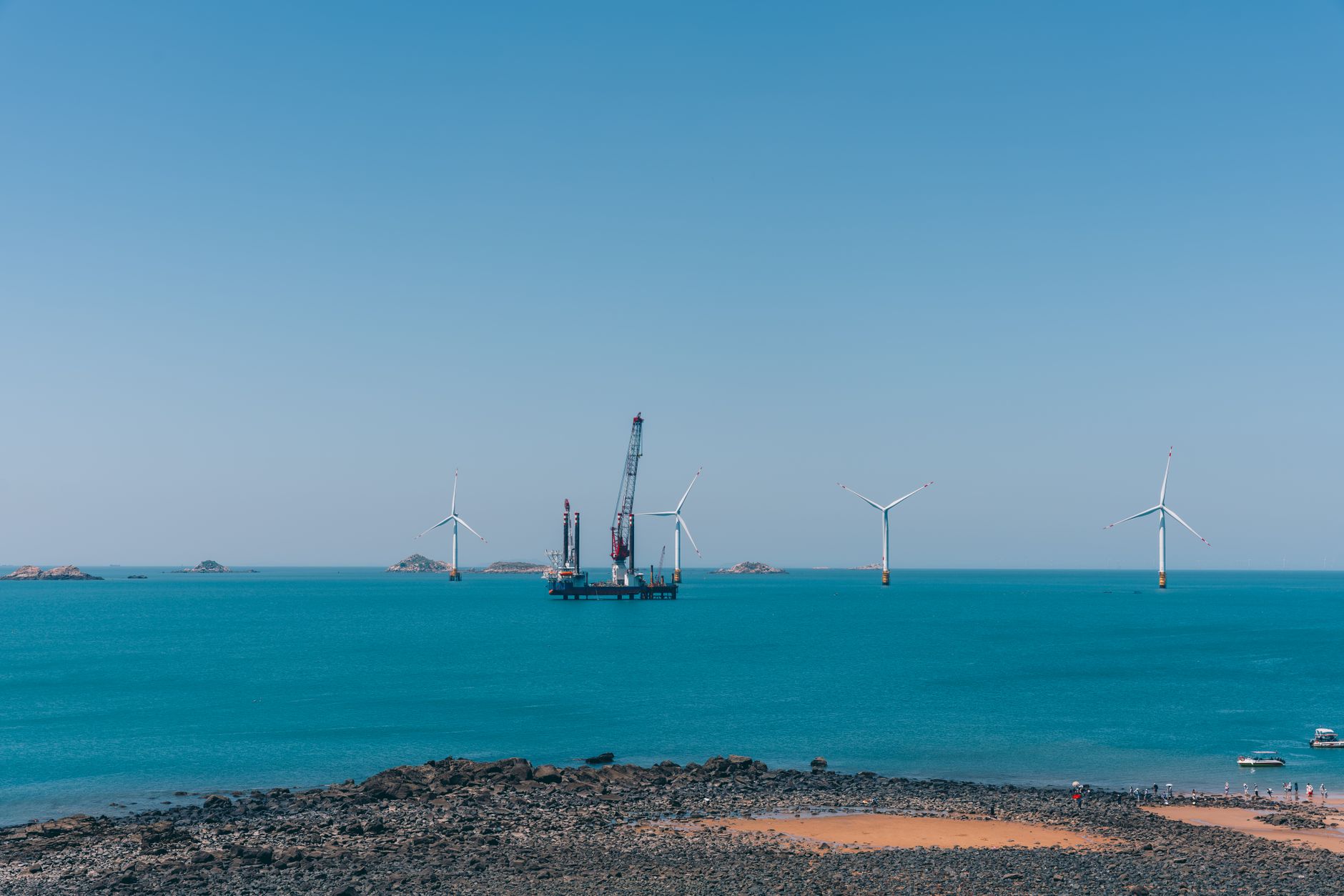
Arriving at 2 terawatts of installed wind capacity by 2030 represents a transformation that hinges on sustained manufacturing and installation rates across multiple regions. The engineering community recognizes this isn't simply a scaling exercise—it requires solving real challenges in logistics, grid integration, and workforce development. Modern offshore turbine blades now exceed 115 meters in length, which demonstrates how platform economics are shifting to accommodate larger machines that improve capacity factors and reduce per-megawatt costs. That engineering leap alone underscores the capital intensity and technical sophistication required to hit these targets.
Supply Chain and Manufacturing Reality
Reaching this capacity milestone means sustained demand for blade manufacturing, tower production, foundation work, and electrical systems. The industry has learned from past boom-bust cycles that announcement of installed capacity targets doesn't automatically follow from policy ambition. Developers and manufacturers must coordinate around port infrastructure, vessel availability, and skilled labor pools. Offshore projects in particular face extended lead times—from foundation fabrication through final grid connection—that constrain how quickly new capacity can come online. Planning for 2030 targets requires decisions being made now about facility expansion and workforce training.
Grid and Economic Implications
Two terawatts of wind generation shifts the conversation from "renewable energy support" into genuine system architecture. Network operators must reckon with variable output at that scale, which drives complementary investment in transmission, storage, and demand-side flexibility. The economic growth cited in the headline flows through multiple channels: direct manufacturing and installation employment, transmission upgrades, energy storage development, and the displacement of fossil fuel procurement. Grid planners and utility executives are already factoring these trajectories into capital allocation and system planning.
Remaining Execution Risk
The gap between capacity projections and realized installations remains material. Supply constraints, permitting delays, and financing uncertainty all pose obstacles. Offshore wind—which benefits most from larger turbine platforms—still faces higher execution risk than onshore. Meeting the 2030 target depends on continued manufacturing productivity gains, regulatory streamlining, and investor confidence across multiple markets.
Enjoyed this one?
Get the next MW Daily entry straight to your inbox.
mwdaily.energy — no spam, unsubscribe anytime