Floating pioneer faces 'long and uncertain' road to profitability after crippling turbine failures
A floating wind developer confronts steep challenges after major turbine setbacks, raising questions about the path to commercial viability in deep-water deployments.
At a Glance
- A floating wind pioneer is struggling toward profitability following significant turbine failures at sea.
- Modern offshore blades exceed 115 meters in length, creating extreme structural demands in floating platforms.
- Equipment failures in early-stage floating installations highlight the engineering and operational risks of moving wind into deeper waters.
- Developers must resolve critical reliability gaps before floating wind can achieve economic viability.
The Engineering Reality of Floating Platforms
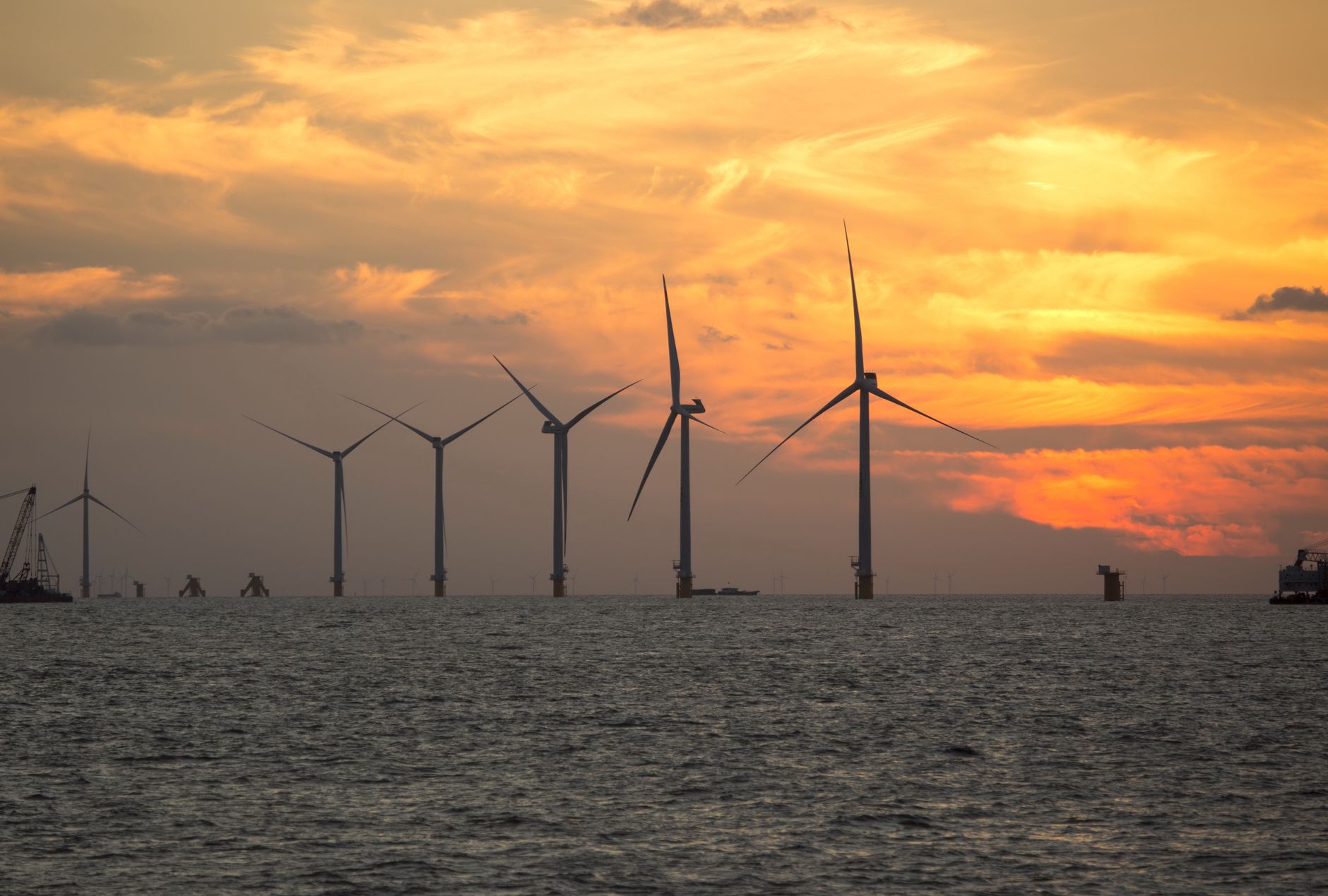
Floating offshore wind represents one of the industry's most technically demanding frontiers. Unlike fixed-bottom installations, floating platforms must contend with dynamic motion, fatigue loading, and mooring system complexity that far exceed what conventional offshore turbines experience. When turbine failures occur on floating systems, the consequences ripple through multiple failure modes—not just the rotor assembly, but the entire platform's structural integrity and stability control. Modern offshore blades now exceed 115 meters in length, creating loads and inertial forces that test every component in the drivetrain and support structure, especially when mounted on a moving platform.
From Prototype to Production Economics
Early-stage floating deployments serve as learning grounds, but investors and stakeholders are keenly aware that prototypes must transition to repeatable, reliable production. When crippling failures emerge—whether in gearboxes, generators, or blade root connections—they expose gaps between design assumptions and field reality. Addressing these failures requires not just component redesign but often fundamental rethinking of how floating platforms should manage dynamic loads. This process takes time, capital, and operational iteration that directly delays the path to positive unit economics.
Market Implications
The headline's characterization of an "uncertain" road forward reflects a broader industry reality: floating wind remains marginal economically compared to fixed-bottom and shallow-water alternatives. Developers entering this space accept higher technical risk because deeper waters eventually unlock vast resource areas. However, each setback extends the timeline to cost reduction and makes financing increasingly difficult. The technology must prove it can deliver reliable performance across multiple project cycles before becoming a mainstream investment category.
For engineers in the field, these setbacks are neither surprising nor disqualifying—they're part of moving into new operational envelopes. The question isn't whether floating wind will work, but how quickly developers can compress the learning curve and establish the reliability track record that justifies the complexity and cost.
Enjoyed this one?
Get the next MW Daily entry straight to your inbox.
mwdaily.energy — no spam, unsubscribe anytime