Prizes and 'mega risks' of a Uniper deal for RWE and Equinor
A potential three-way combination between RWE, Equinor, and Uniper could reshape European energy, but carries substantial execution risks.
At a Glance
- RWE and Equinor are exploring a deal involving Uniper that could reshape the European energy landscape.
- Such combinations promise economies of scale but present serious operational and regulatory challenges.
- Large offshore platforms require managing increasingly complex infrastructure, including turbines exceeding 115 meters in blade length.
- Deal structures in energy consolidation must address grid integration and supply chain vulnerabilities at scale.
Scale and the Promise of Consolidation
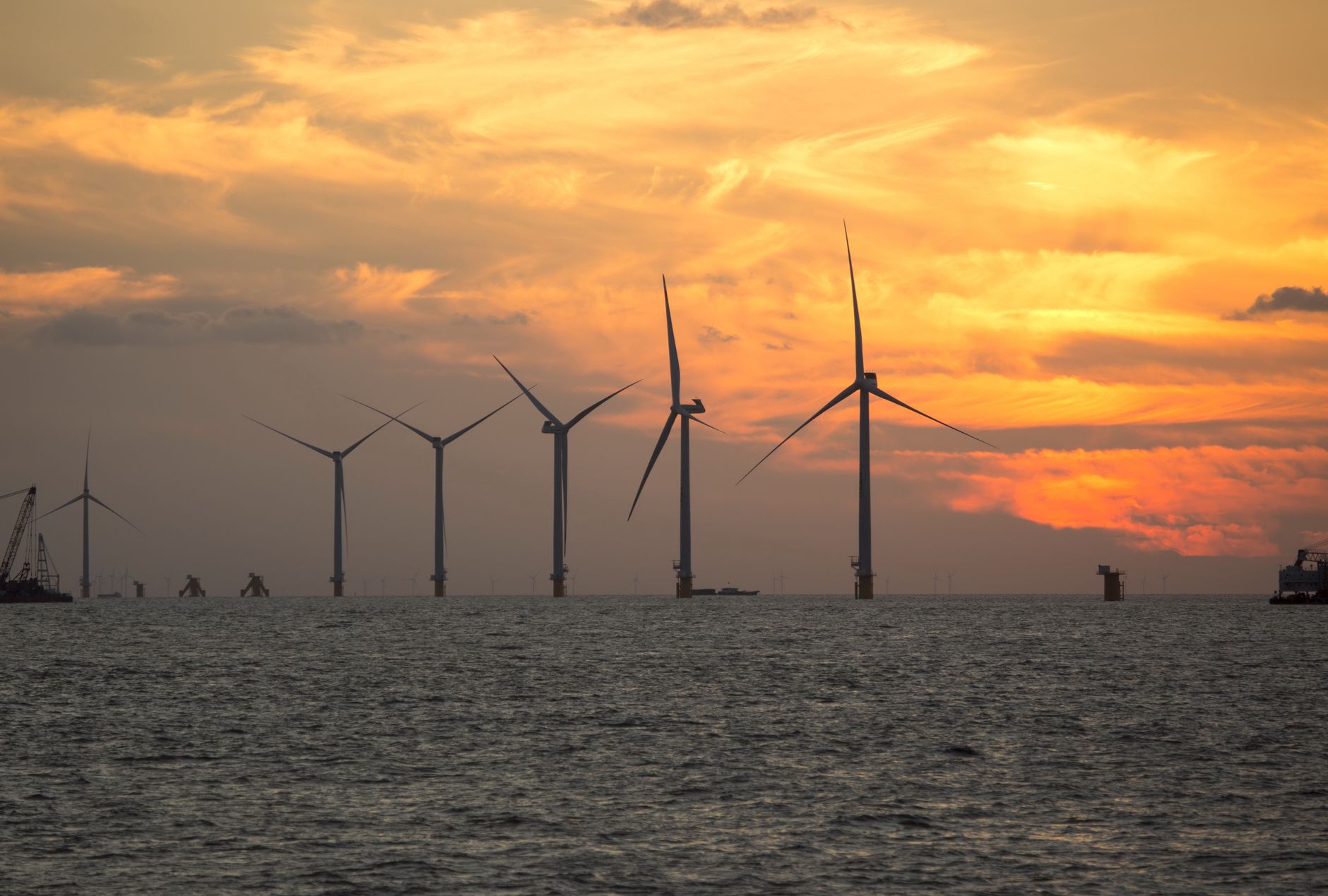
When utilities of this magnitude consider merging their interests, the logic revolves around a fundamental engineering reality: massive distributed systems become more efficient at larger footprints. Combining generation assets, grid connections, and supply chains across multiple markets creates operational redundancy and spreads capex burden. For offshore specifically, larger operators can invest in specialized installation vessels, service infrastructure, and personnel training across a wider portfolio. Modern offshore turbine blades now exceed 115 meters in length, demanding supply chains and logistics that benefit enormously from scale.
Where the Complexity Lives
Yet scale itself introduces new failure modes. Integrating three organizations means harmonizing procurement standards, maintenance protocols, and grid-interconnection strategies across different regulatory regimes. Uniper's generation portfolio and trading operations run on different operational models than pure-play renewables developers. RWE and Equinor each operate diverse geographies with distinct grid codes and environmental permitting frameworks. A merger doesn't simply add capacity—it requires binding together cultures, IT systems, and risk management approaches that evolved independently.
Regulatory and Market Headwinds
European authorities are already scrutinizing major consolidations in energy infrastructure. A combination of this scale would face hard questions about market concentration, particularly in markets where these players already hold significant positions. Grid operators would need assurance that new ownership structures don't constrain access or undermine competition. The energy transition depends on sustained investment, yet heavy-handed consolidation can paradoxically discourage it by reducing the diversity of capital sources competing for projects.
The Execution Question
Historically, energy mergers succeed or fail based on execution during the first 18 months post-close—the period when integration teams must prove they can operate the combined entity without losing current production or alienating grid partners and offtake counterparties. With offshore portfolios now featuring industrial-scale equipment and complex maintenance windows, any misstep cascades across earnings. The potential upside is real. So are the risks of stumbling.
Enjoyed this one?
Get the next MW Daily entry straight to your inbox.
mwdaily.energy — no spam, unsubscribe anytime