How Masdar is playing the long game with its renewables spending
Masdar's patient capital strategy reshapes the scale of renewable investment as offshore engineering pushes fundamental limits.
At a Glance
- Masdar is adopting a long-term investment horizon in renewables rather than chasing short-term returns.
- Modern offshore turbine blades now exceed 115 meters in length—longer than a football field.
- Extended deployment timelines allow developers to absorb engineering and infrastructure scaling costs.
- Patient capital strategies better align with the physics of utility-scale renewable development.
The Math of Patient Capital
What separates institutional investors playing multi-decade games from those chasing quarterly targets often comes down to how they value engineering timelines. Masdar's approach to renewable spending reflects something the industry hasn't always gotten right: the actual rhythm at which this sector scales. Unlike fossil fuel projects where you can compress deployment into relatively tight windows, renewable infrastructure — particularly offshore systems — requires sustained, phased commitment.
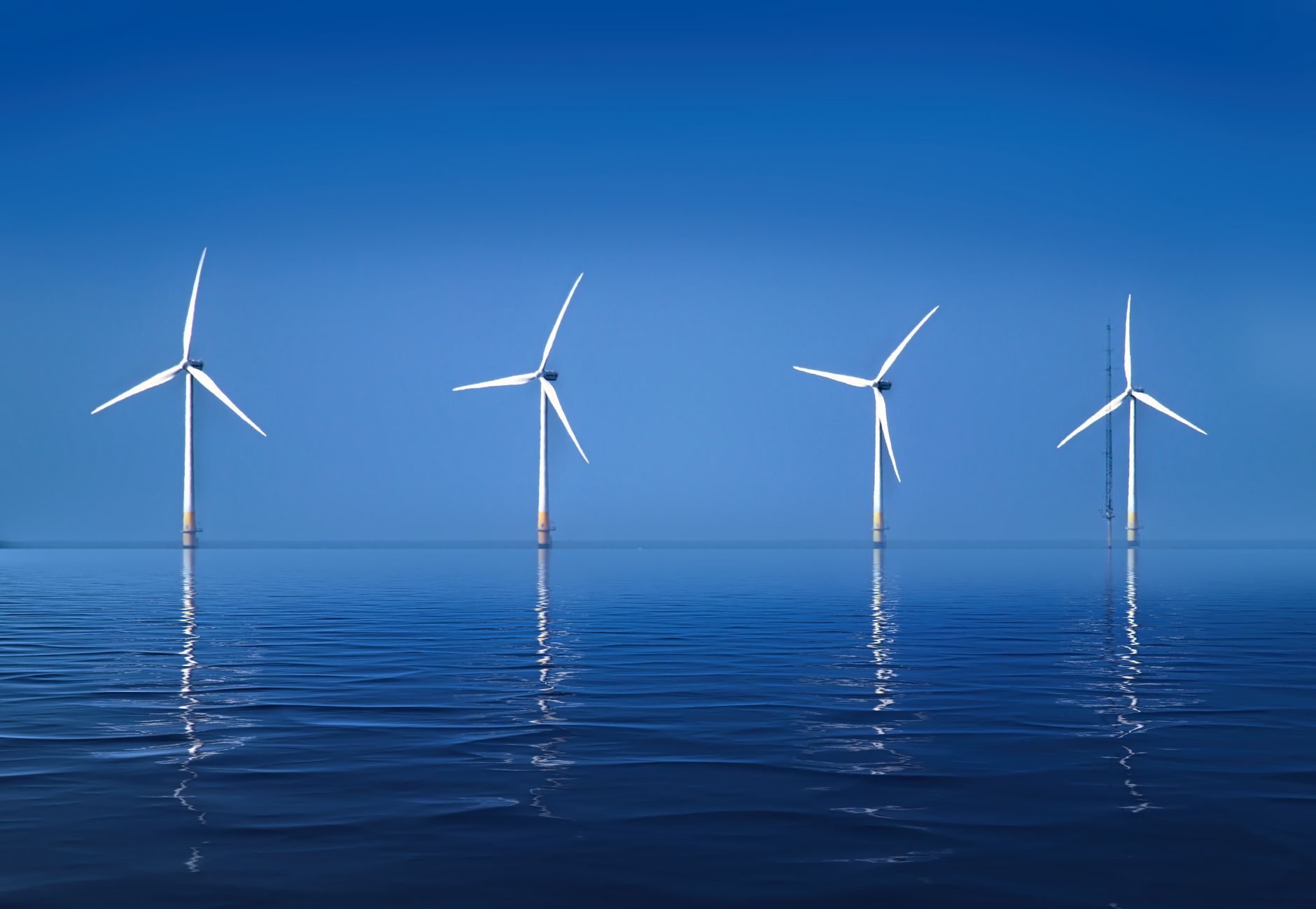
The engineering realities drive this. Modern offshore wind blades exceed 115 meters, manufacturing and transporting equipment at scales that didn't exist a decade ago. That infrastructure itself must be built. Port facilities, installation vessels, supply chains for specialized materials — these aren't overnight additions. An investor willing to accept returns distributed across 15 or 20 years can optimize for these constraints rather than fight them.
Where Capital Meets Reality
The difference between Masdar's posture and traditional project finance becomes clear when you map developer costs against realistic timelines. Rushing to deploy means either eating accelerated costs or cutting engineering margins — both destroy project economics. Patient capital lets developers build the right infrastructure for larger, more efficient turbines without cannibalizing project value through expedited timelines.
This matters especially as blade lengths, power ratings, and installation complexity continue their steep curve upward. The supply chain must keep pace. Masdar's long-view positioning effectively funds that maturation alongside actual capacity deployment.
Implications for the Sector
If Masdar's strategy signals a shift toward patient capital becoming the dominant model in renewables, it changes the competitive landscape. Projects that were borderline uneconomic under compressed timelines become solid investments when spread across appropriate development horizons. Smaller developers without access to patient capital pools face pressure — either consolidate into larger structures or accept higher cost-of-capital penalties.
The offshore wind sector in particular benefits from this approach. The technical demands are unforgiving. Accepting realistic engineering and construction timelines, rather than treating them as obstacles to be overcome through spending, is how you build systems that actually perform at rated capacity for 25 years. Masdar seems to understand this better than most.
Enjoyed this one?
Get the next MW Daily entry straight to your inbox.
mwdaily.energy — no spam, unsubscribe anytime